
 EN
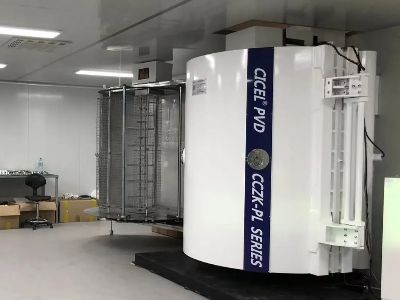
Energy efficiency in vacuum coating systems is important for many reasons. First, it helps save money by using less energy. Second, it is good for the environment because it lowers the amount of energy we waste. A vacuum coating system is used to put thin layers of material on surfaces, like glass or metal. These systems need a lot of energy to work. By making them more efficient, companies like CICEL can help businesses save costs and reduce their carbon footprint. This article will talk about where to find energy-efficient vacuum coating machine solutions, common problems that can waste energy, and how understanding these issues can help improve overall efficiency.
Where to Find the Best Energy-Efficient Vacuum Coating Solutions?
Finding the best energy-efficient vacuum coating solutions can be a bit tricky, but it is worth it. Companies like CICEL focus on creating advanced systems that use less energy while still getting the job done right. When looking for these solutions, it’s important to check the specifications of each system. Look for features like advanced insulation and power management systems. These can help keep energy use low. Another good idea is to read customer reviews. Hearing what other users say can help you understand how well a system works in real life. Trade shows and industrial fairs are also great places to learn about new technologies. Manufacturers often showcase their latest models, and you can ask questions directly to the experts. Plus, talking to industry professionals can give you insights about what works best. Online resources like forums and technical websites can provide valuable information too. They often discuss the latest trends and tips for energy efficiency in vacuum coating systems. Remember, choosing the right system is not just about the initial cost but also about how much energy it will save in the long run. This way, businesses can benefit from both lower utility bills and a positive environmental impact.
Common Usage Issues in Vacuum Coating Systems and Their Energy Impact
Using vacuum coating systems can come with some challenges that affect energy efficiency. One common issue is improper maintenance. If the system is not kept clean, it can work harder than it needs to. For example, dust or residue can build up on the components, making the system less effective. This can waste energy and lead to higher costs. Another issue could be the wrong settings. If the pressure or temperature settings are off, the system might consume more energy while trying to achieve the desired coating quality. It's essential for operators to be trained properly on how to use and adjust these systems. Additionally, old equipment might not be as energy-efficient as newer models. If a company is using outdated technology, it might be time to consider an upgrade. This can have a big impact on energy consumption. Another factor to think about is the workload. When systems are overloaded, they can struggle to perform efficiently, leading to wasted energy. Monitoring the system’s performance regularly can help catch these problems early. By understanding these common issues, companies can take steps to improve their vacuum coating operations. This not only saves energy but also boosts productivity and reduces costs, allowing businesses to thrive in a competitive market.
In summary, energy efficiency is key in vacuum coating systems, and it's something that companies like CICEL take seriously. By finding the right solutions and addressing common usage issues, businesses can make a big difference in their energy consumption and overall performance.
What Are the Benefits of Energy-Efficient Vacuum Coating Systems for Wholesale Buyers?
Energy-efficient vacuum coating systems offer many benefits for wholesale buyers. First, they help save money. When a machine uses less energy, it lowers electricity bills. This is great for businesses because spending less on energy means more money can be spent on other important things, like buying materials or paying employees. Second, energy-efficient systems are better for the environment. They use less power, which means they create less pollution. This helps keep our air and water cleaner. Many people today care about the environment, so using these systems can make a business look good to customers who want to buy from companies that are eco-friendly. Third, these systems often work better and last longer. When machines are designed to use energy wisely, they usually have better parts and technology. This means they can coat products more effectively and do not break down as often. For wholesale buyers, this means they can trust that the products they get from manufacturers using energy-efficient vacuum coatings systems are of high quality. Lastly, using energy-efficient vacuum coating systems can help businesses follow rules and regulations. Many governments have laws that encourage companies to use less energy. By using these systems, businesses can stay in line with these laws and avoid fines. In summary, energy-efficient vacuum coating systems provide wholesale buyers with cost savings, environmental benefits, improved product quality, and compliance with regulations. Choosing to work with companies like CICEL that offer these systems can make a big difference in a buyer's success.
How Energy Efficiency Optimization Can Reduce Operating Costs in Vacuum Coating?
Optimizing energy efficiency in vacuum coating can greatly reduce operating costs. First, when machines run more efficiently, they use less electricity. This means that the business pays less for energy. Over time, these savings can add up and free up funds for other important expenses. Additionally, energy-efficient machines often operate faster. This means they can coat more products in less time, which increases production. More production means more sales, and this can lead to higher profits. Furthermore, energy-efficient systems usually require less maintenance. When machines are designed to work efficiently, they tend to have fewer breakdowns and problems. This means that businesses do not have to spend as much money on repairs or downtime. For example, a machine that uses a lot of energy might need more cooling or extra parts to keep it running. In contrast, an energy-efficient machine can operate smoothly without those extra needs. This also leads to lower labor costs since fewer workers are needed to fix and monitor the machines. Moreover, energy-efficient vacuum coating systems can help businesses qualify for grants or tax incentives. Many governments encourage companies to save energy by offering financial help. If a business chooses to use energy-efficient systems from CICEL, it may be able to take advantage of these programs. Optimizing energy efficiency in vacuum coating systems can lead to lower operating costs through reduced electricity bills, increased production, less maintenance, and potential financial incentives.
How to Identify Energy Efficiency Opportunities in Your Vacuum Coating Process?
Identifying energy efficiency opportunities in your vacuum coating process is crucial for saving money and helping the environment. First, take a close look at your machines. Check how much energy they use and how well they perform. If some machines are using a lot of energy but not coating products effectively, it might be time to upgrade to a more efficient model, like those offered by CICEL. Next, pay attention to your operating practices. Sometimes, small changes can lead to big energy savings. For example, make sure that machines are turned off when not in use. Also, ensure that the settings on your machines are correct. If they are set too high, they might use more energy than necessary. Another way to find energy efficiency opportunities is to monitor your energy bills. Keep track of your electricity usage over time. Look for patterns that show when energy use is highest. This can help you see if there are specific times when machines are running unnecessarily or if they are not running efficiently. You can also ask your team for ideas. Employees who work with the machines every day often have great suggestions for improving efficiency. They might notice things that management does not see. Finally, consider getting professional help. Hiring an energy consultant can provide expert advice on how to improve energy use in your vacuum coating process. These consultants can perform audits and recommend specific changes that can save energy. In summary, to identify energy efficiency opportunities in your vacuum coating process, check your machines, review your operating practices, monitor energy usage, gather ideas from employees, and consider getting professional help. This vacuum coating plant will not only help you cut costs but also contribute to a greener planet.
Table of Contents
- Where to Find the Best Energy-Efficient Vacuum Coating Solutions?
- Common Usage Issues in Vacuum Coating Systems and Their Energy Impact
- What Are the Benefits of Energy-Efficient Vacuum Coating Systems for Wholesale Buyers?
- How Energy Efficiency Optimization Can Reduce Operating Costs in Vacuum Coating?
- How to Identify Energy Efficiency Opportunities in Your Vacuum Coating Process?

