
 EN
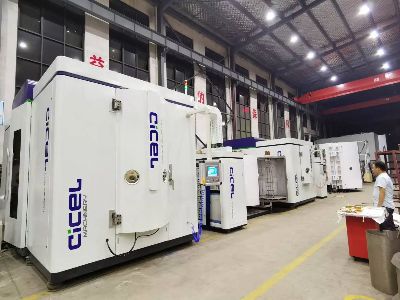
Creating thin films in a vacuum deposition coating process is a key step in many industries, including electronics, optics, and solar energy. CICEL specializes in this process, ensuring that the films we create are uniform and of high quality. Thin films are very thin layers of material that can be applied to surfaces. They can be used to improve the appearance, protect against damage, or enhance the functionality of products. Uniformity in these vacuum coating films is crucial because it affects how well the coating works. If a thin film is uneven, it can lead to problems like weak spots, poor adhesion, and even product failure. Let’s dive deeper into how we can achieve superior thin film uniformity and why it matters for performance.
How to Achieve Superior Thin Film Uniformity in Your Coating Processes?
Achieving uniform thin films requires careful planning and execution in the coating process. One effective method is to control the temperature during deposition. If the temperature is too high or too low, it can cause the material to spread unevenly. Maintaining a consistent temperature ensures that the molecules in the film align properly. Another important factor is the speed of the deposition process. If the film is applied too quickly, it might not have enough time to settle evenly, leading to bumps and inconsistencies. By slowing down the process, we give the material a chance to spread and adhere evenly.
Additionally, the choice of materials also plays a big role. Some materials bond better than others, which can affect uniformity. Using high-quality materials that are known for their smooth application can help achieve better results. The design of the vacuum coatings chamber is also key. Proper placement of the substrate and the coating source can help ensure that the material is deposited evenly across the surface. Regular maintenance of the equipment is important too. Dust or other contaminants can create uneven patches, so keeping the workspace clean is vital.
CICEL employs advanced technology to monitor the process in real time. This allows us to adjust variables on the fly, ensuring that the film remains uniform throughout the coating. We also perform rigorous testing to measure the thickness and uniformity of the thin films we produce. These steps help us to catch any issues early, making it easier to correct them before they affect the final product. By focusing on these details, we can consistently achieve superior thin film uniformity, which leads to better-performing products.
How Thin Film Uniformity Impacts Product Performance in Coating Applications?
Thin film uniformity has a big impact on how products perform. If a coating is uneven, it can lead to weak areas that might fail under stress. For instance, in electronics, a thin film acts as a barrier to protect sensitive components. If the film is not uniform, some parts may be more exposed than others, which can lead to malfunction or failure. Similarly, in optics, uneven films can distort light, affecting the clarity and quality of images. This is especially important for glasses, cameras, and other optics where precision matters.
In solar panels, uniform thin films are crucial for efficiency. If the film that absorbs sunlight is uneven, it can lead to lower energy conversion rates. This means that a solar panel could produce less electricity, which affects its performance and value. Additionally, uniform coatings are vital in industries like automotive and aerospace where safety is paramount. An uneven film on a car’s windshield can create distortion, leading to visibility issues.
At CICEL, we understand how important uniformity is for our clients. We focus on delivering thin films that meet strict standards, ensuring that our customers receive products that perform reliably. The difference between a uniform and a non-uniform coating can be the difference between success and failure in an application. This is why we emphasize quality and attention to detail in every coating process we undertake. By doing so, we not only enhance the product's lifespan but also its overall performance, making it a worthwhile investment for our clients.
What Are the Latest Trends in Thin Film Uniformity Optimization?
Thin film uniformity is very important in producing high-quality coatings. This means that the thin layer applied to a surface is even and smooth. Many industries, like electronics and solar energy, depend on this uniformity to work well. One of the latest trends in this area is using advanced technology to monitor and improve the coating process. For example, companies like CICEL are using smart sensors and real-time data collection. These tools help to see how the thin film is being applied and if there are any problems. When a sensor detects a spot that is not coated evenly, it can alert the workers so they can fix it right away.
Another trend is the use of new materials that can help improve uniformity. Researchers are discovering different types of coatings that stick better and spread out more evenly. This makes the thin film more consistent across the entire surface. Also, using computer software to model and predict how the vacuum coating machine will behave can help. Before applying the thin film, companies can test different settings in a virtual environment. This saves time and resources because they can find the best way to apply the coating before actually doing it.
Furthermore, there is a push for more eco-friendly methods. Companies are looking for ways to make their processes cleaner and reduce waste. This includes using materials that are less harmful and finding ways to recycle any leftover coatings. By focusing on both quality and sustainability, companies like CICEL are leading the way in thin film uniformity optimization.
How to Maximize Efficiency with Thin Film Uniformity in Your Production?
Maximizing efficiency in production is essential for any company that relies on thin film coatings. First, it is important to have a clear plan and understand the process. Workers need to know how the coating should be applied and what the best conditions are. This includes the right temperature, speed, and material. Companies like CICEL invest in training their employees so everyone understands how to achieve the best results.
Another way to maximize efficiency is by using the right equipment. High-quality machines that are designed specifically for thin film coating can make a big difference. These machines should have accurate controls to ensure that the coating is applied evenly. Regular maintenance of the equipment is also crucial. If a machine is not working well, it can lead to uneven coatings and waste.
Data tracking is another helpful tool. By keeping track of how well the coatings are applied, companies can find patterns and make adjustments. For instance, if a specific day or time shows more issues, they can look into why that happens. This kind of information allows companies to continuously improve their processes.
Finally, collaboration is key. Different teams within a company should communicate openly. For instance, the team that designs the coating can work closely with those who apply it. Sharing insights can lead to better methods and tools. When everyone is on the same page, production becomes smoother and more efficient.
Common Misconceptions About Thin Film Coating and Uniformity Solutions
There are many misconceptions about thin film coatings that can confuse people. One common belief is that all coatings are the same. In reality, there are many types of coatings, each designed for specific uses. For example, some coatings are made for electronics, while others are for solar panels. Each type requires different methods to ensure uniformity. Understanding these differences is crucial for achieving the best results.
Another misconception is that achieving perfect uniformity is easy. Many people think that just applying the coating will lead to a smooth finish. However, it requires careful control and monitoring. Factors like temperature, humidity, and even the speed of application can affect how uniform the coating is. Companies like CICEL emphasize the importance of precision and attention to detail in the coating process.
Some might also think that once a coating is applied, it cannot be changed. This is not true! If a coating is not uniform, there are solutions. Companies can often rework or touch up the areas that are not right. New technologies also allow for adjustments to be made during the process, so problems can be fixed quickly.
Finally, some believe that thin film coatings are not environmentally friendly. While some older methods may have been harmful, many companies are now focusing on sustainability. New materials and methods are being developed to reduce waste and harmful emissions. By understanding these misconceptions, companies can better address them and improve their thin film coating processes.
Table of Contents
- How to Achieve Superior Thin Film Uniformity in Your Coating Processes?
- How Thin Film Uniformity Impacts Product Performance in Coating Applications?
- What Are the Latest Trends in Thin Film Uniformity Optimization?
- How to Maximize Efficiency with Thin Film Uniformity in Your Production?
- Common Misconceptions About Thin Film Coating and Uniformity Solutions

