
 EN
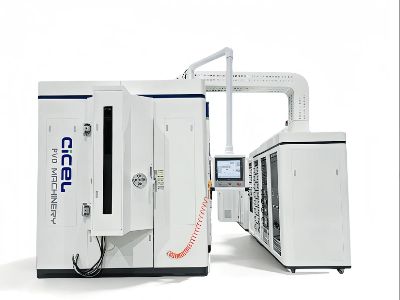
Vacuum film coating is a special way to protect food packaging. It creates a thin layer on the surface of the packaging material, making it strong and able to keep food fresh for a longer time. This coating helps to block out moisture, air, and light, which can spoil food. Companies like CICEL use vacuum film coating to make their food packages better. This means that snacks, fruits, and other food items can stay tasty and safe for longer periods. It’s important because nobody wants to eat spoiled food. With vacuum film coating, food can stay fresh, and that’s good for everyone who loves to eat!
What is Vacuum Film Coating and How Does It Enhance Food Packaging?
Vacuum film coating is a process where a thin film is applied to packaging materials in a vacuum. This means that the air is removed from the space where the coating happens. When the air is gone, the coating sticks better and forms a strong barrier. This barrier is like a shield that keeps things out. For example, if you have a bag of chips, vacuum film coating stops air from getting in. Air can make chips go stale. So, this coating helps keep them crunchy and delicious! It also protects the food from moisture. Imagine having a sandwich packed for lunch. If moisture gets in, the bread can get soggy and the sandwich won’t taste good. With vacuum film coating, the packaging keeps moisture away, keeping the sandwich fresh until lunchtime. Another important thing is that the coating protects food from light. Light can change the color and taste of food. For example, sunlight can make chocolate melt or change its flavor. The film coating blocks this light, helping the food stay safe and tasty. Companies like CICEL make sure they use high-quality materials for their vacuum film coating. This means the food is not only protected but also safe to eat. When packing food, it is super important to think about how to keep it fresh. Vacuum film coating is one of the best ways to do this. It’s a smart choice for anyone who wants to enjoy their food without worrying about spoilage!
How to Choose the Best Vacuum Film Coating for Your Food Packaging Needs
Choosing the right vacuum film coating for food packaging can be tricky. First, think about what type of food you are packing. Different foods have different needs. For example, if you are packing dry snacks, you need a coating that keeps air out. But if you are packaging something wet, like fruits, you need a coating that also blocks moisture. Next, consider the shelf life of the food. If the food needs to last a long time, like a year, you should look for a thicker coating. A thicker coating provides better protection. Companies like CICEL can help you understand which coating is best for your needs. They have experience with different foods and know what works best. Another important point is to check if the coating is safe. Make sure the materials used are safe to eat and approved for food packaging. You wouldn’t want harmful chemicals getting into your food! Also, think about the environment. Some coatings are better for the planet than others. Look for options that are recyclable or made from sustainable materials. This way, you can help protect the Earth while keeping your food safe. Lastly, it’s always good to talk to experts. They can guide you in making the right choice. CICEL has a team ready to help with any questions! Choosing the right vacuum coating is important for keeping food fresh and safe, and it can make a big difference in food packaging.
Common Usage Issues with Vacuum Film Coating in Food Packaging Systems
Vacuum film coating is a modern method used to protect food, but it has some problems that can make it tricky to use. One big issue is that not all foods are the same. Some foods are oily, while others are watery. This difference can affect how well the vacuum coating sticks to the food. If the coating does not stick well, it won't keep air and moisture out, which can make the food go bad faster. Another problem is the temperature. Some foods need to be kept cold, and if the temperature is too high during the coating process, it can ruin the food and the coating. This can lead to wasted food and money.
Another common issue is the thickness of the coating. If the coating is too thick, it can make the food look unappealing. People want to see what they are buying, and a thick layer of coating can hide the food inside. On the other hand, if the coating is too thin, it might not protect the food well enough. Finding the right balance is not always easy. There can also be problems with the machines that apply the vacuum coating unit . If the machines are not working properly, the coating might not go on evenly. This can lead to weak spots that allow air and moisture to get in.
At CICEL, we understand these challenges, and we are always working to improve our vacuum film coating technology. We want to make sure that food stays fresh and safe for as long as possible. By addressing these common issues, we can help food manufacturers provide better packaging solutions.
What Makes Vacuum Film Coating Ideal for Wholesale Food Packaging Solutions?
Vacuum film coating is great for packing food in bulk because it keeps the food fresh and tasty. One of the best things about vacuum coating is that it creates a strong barrier. This barrier helps keep out air and moisture, which can spoil food. When food is stored for a long time, it can lose its flavor and quality. But with vacuum coating, food can stay fresh longer, which is perfect for wholesale customers who need to sell large amounts of food.
Another reason vacuum coating is ideal for wholesale food packaging is its ability to protect against harmful bacteria. When food is exposed to air, it can attract bacteria that can make people sick. Vacuum film coating helps reduce this risk by keeping the food sealed and protected. This means that food can be shipped and stored safely, giving customers peace of mind.
CICEL’s vacuum coating also allows for custom designs and branding. When companies package their food, they want their products to stand out. With vacuum coating, it is easy to add colorful designs and labels. This makes the food more appealing to buyers and can help increase sales.
Lastly, vacuum film coating is lightweight, which helps save money on shipping. When food is packed, every ounce counts. A lighter package can mean lower shipping costs, which is a big plus for wholesale businesses. Overall, vacuum film coating is an excellent choice for those looking for effective and appealing food packaging solutions.
How Does Vacuum Film Coating Compare to Traditional Food Packaging Methods?
When we look at vacuum film coating and compare it to traditional food packaging methods, we see some important differences. Traditional packaging methods use materials like plastic, paper, or metal. While these materials can protect food, they often do not make a tight seal. This means air can still get in, and moisture can escape, which can lead to spoilage. Vacuum film coating, on the other hand, creates a much stronger barrier. This helps keep food fresh for longer periods, which is something that traditional packaging struggles with.
Another difference is how vacuum coating helps with food safety. Traditional methods might not prevent bacteria from growing, but vacuum film coating does a better job at keeping food safe from harmful germs. This is especially important because food safety is a big concern for everyone. No one wants to eat spoiled or unsafe food.
Cost is also a factor to consider. While some traditional methods of packaging may seem cheaper at first, they might not keep food fresh for as long. This can lead to more waste and higher costs in the long run. By using vacuum film coating, companies can save money because the food stays fresh longer, and they don’t have to throw away as much spoiled food.
Table of Contents
- What is Vacuum Film Coating and How Does It Enhance Food Packaging?
- How to Choose the Best Vacuum Film Coating for Your Food Packaging Needs
- Common Usage Issues with Vacuum Film Coating in Food Packaging Systems
- What Makes Vacuum Film Coating Ideal for Wholesale Food Packaging Solutions?
- How Does Vacuum Film Coating Compare to Traditional Food Packaging Methods?

