With the development of automotive manufacturing, higher requirements are placed on lamp reflector coating processes. This article introduces in-chamber silicon-oil protective film vacuum coating technology. The integrated single-chamber process avoids oxidation and contamination from traditional two-step workflows.
As automotive manufacturing technology continues to advance, the industry has raised stringent technical and quality benchmarks for auto lighting surface finishing, driving the iterative upgrade of automotive reflector vacuum coating machine technologies. Modern automotive headlights and lamp reflectors serve both functional lighting and aesthetic decorative purposes, demanding superior surface reflectivity, outstanding weather resistance, reliable anti-oxidation performance and uniform coating texture throughout long-term service. As indispensable core components of vehicle lighting systems, lamp reflectors have pushed traditional vacuum coating processes to upgrade continuously, requiring professional, high-precision PVD coating machine and optimized process solutions to meet escalating mass production and quality standards in the automotive industry.
For a long time, most automotive lamp manufacturers have adopted a classic two-step coating process. After completing vacuum metallization through evaporation or sputtering equipment, workpieces need to be taken out of the vacuum chamber for manual protective film treatment. This traditional mature process can meet basic production needs, but it inevitably brings many uncontrollable quality risks in mass production. When the newly formed metal reflective layer is exposed to the air, it is prone to oxidation, dust contamination and surface unevenness, resulting in defective products such as dim reflection and short-term discoloration of finished lamps.In addition to quality instability, the segmented operation mode also restricts production efficiency. Repeated vacuum pumping and chamber venting greatly extend the production cycle, increase equipment energy consumption and labor costs, and cannot adapt to the current high-efficiency and high-yield production rhythm of the automotive parts industry. Against this background, integrated in-chamber continuous coating technology has gradually become the mainstream upgrade direction for automotive lamp coating production lines.
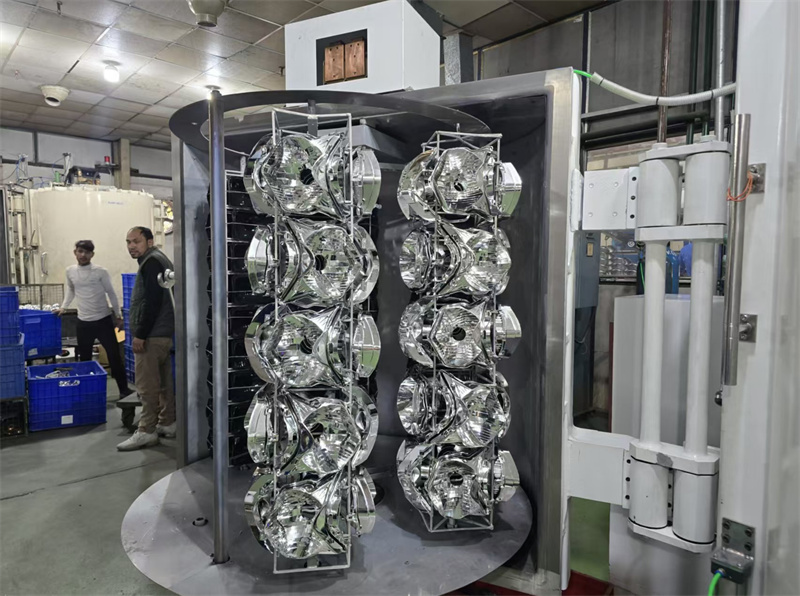
Different from traditional separated processes, the upgraded integrated coating workflow completes both metal reflective coating and protective film treatment in a single vacuum cycle without opening the chamber door at any stage. This fully enclosed and continuous processing method avoids intermediate contact between the workpiece and the external environment during production, fundamentally eliminates common oxidation and contamination problems caused by air exposure, and significantly improves the uniformity, adhesion and weather resistance of the final coating layer. For polycarbonate and plastic lamp substrates commonly used in the automotive industry, this refined vacuum coating process can maintain stable, uniform and long-lasting surface performance under various complex usage scenarios.
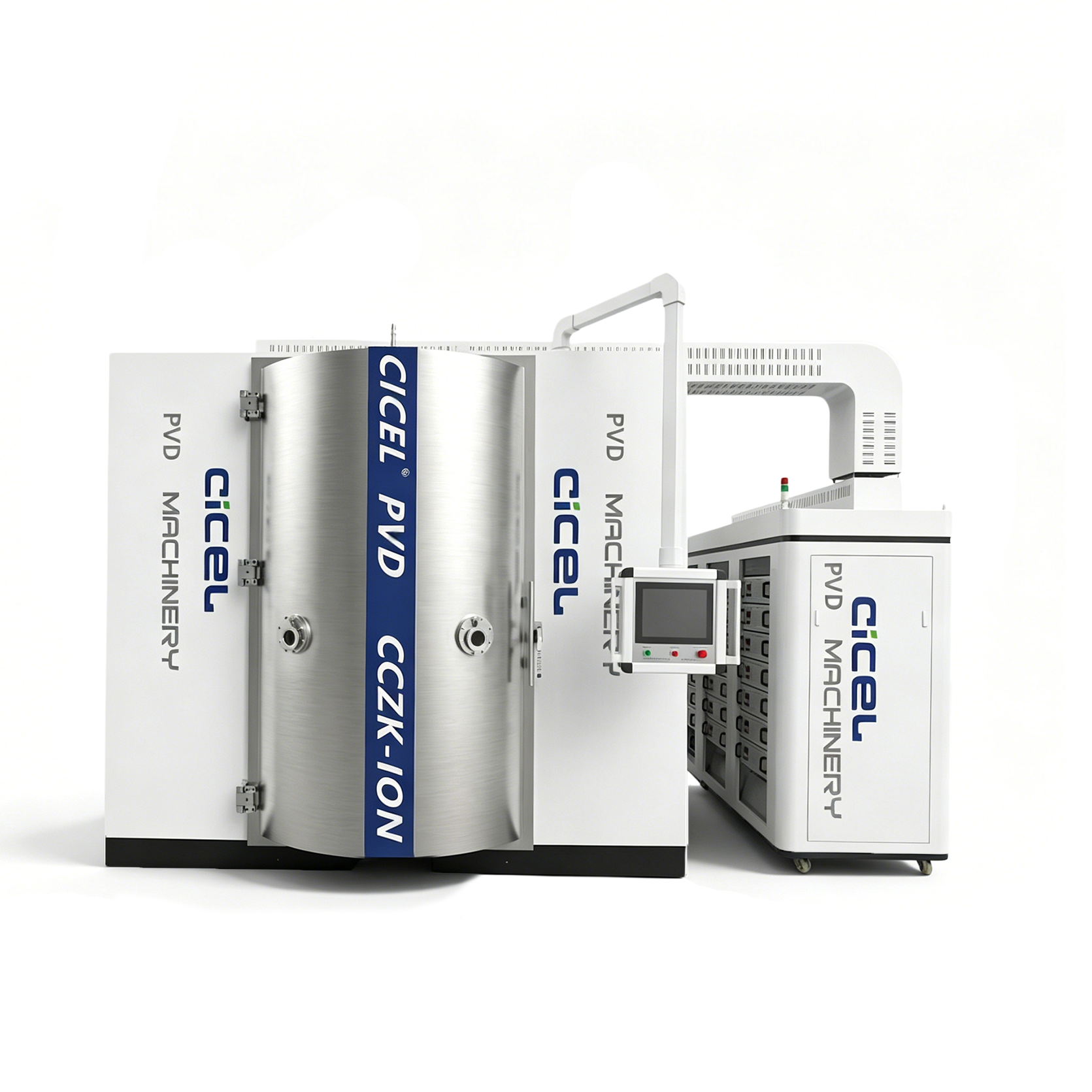
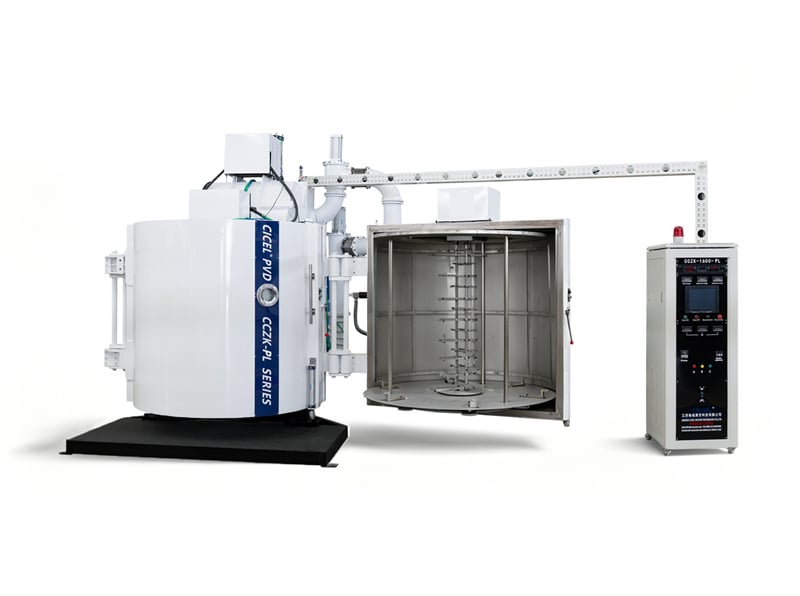
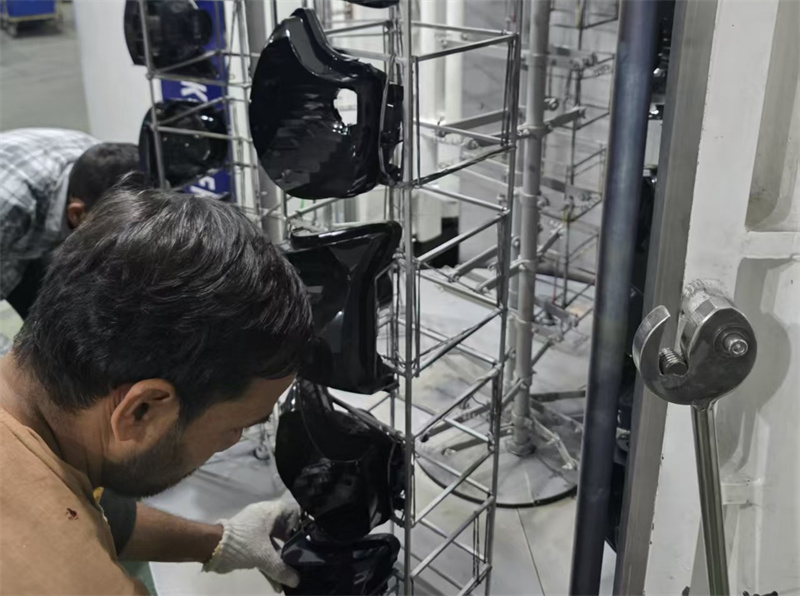
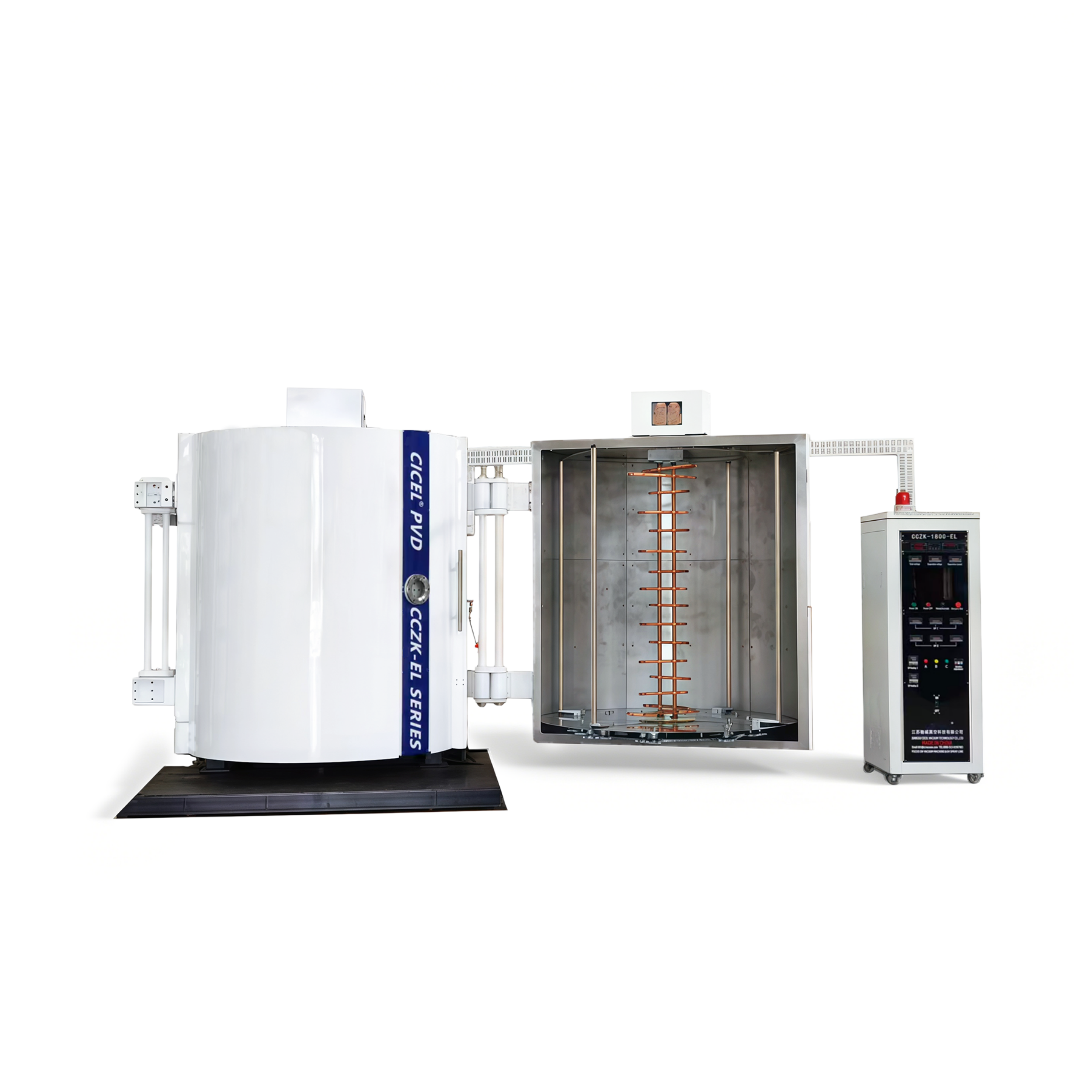
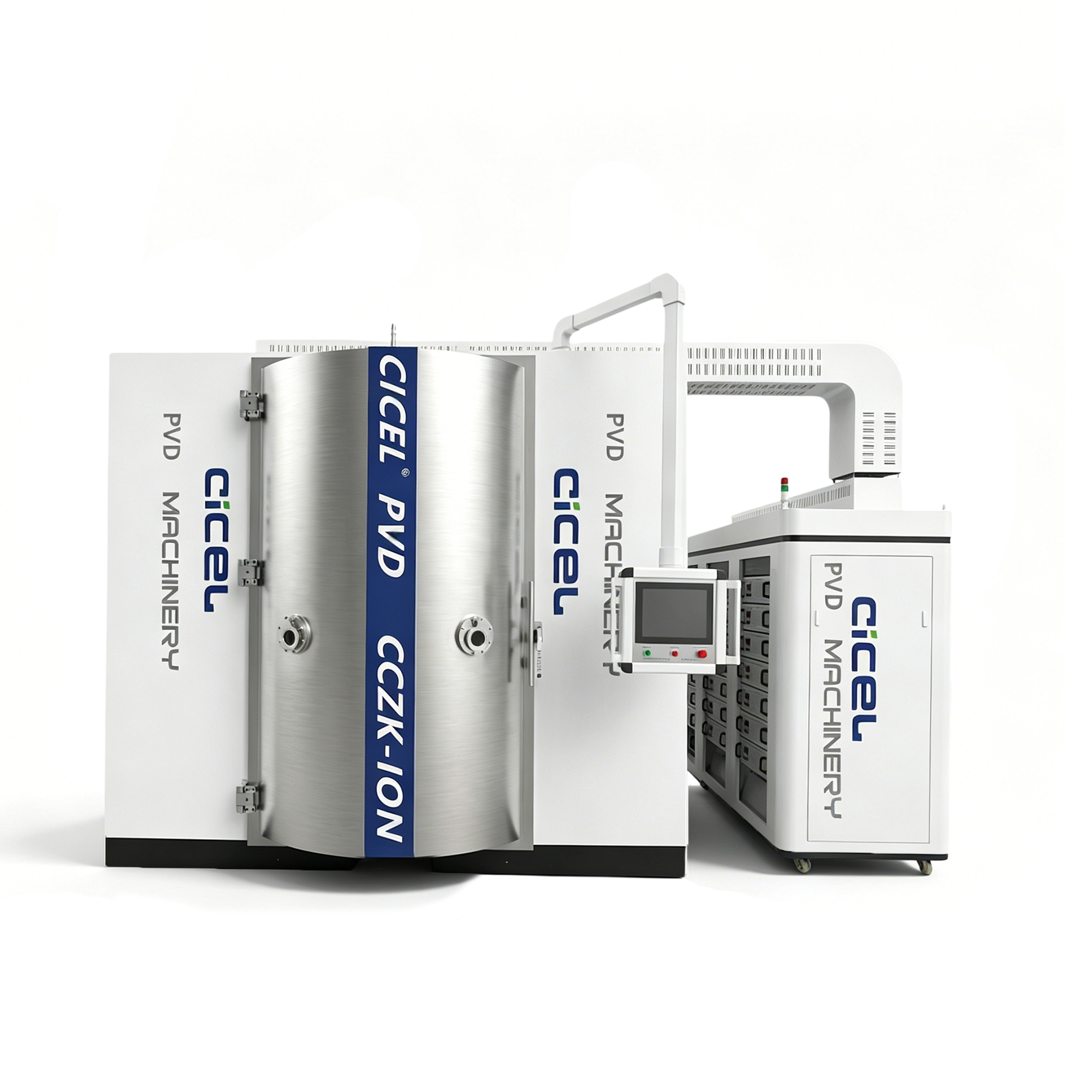
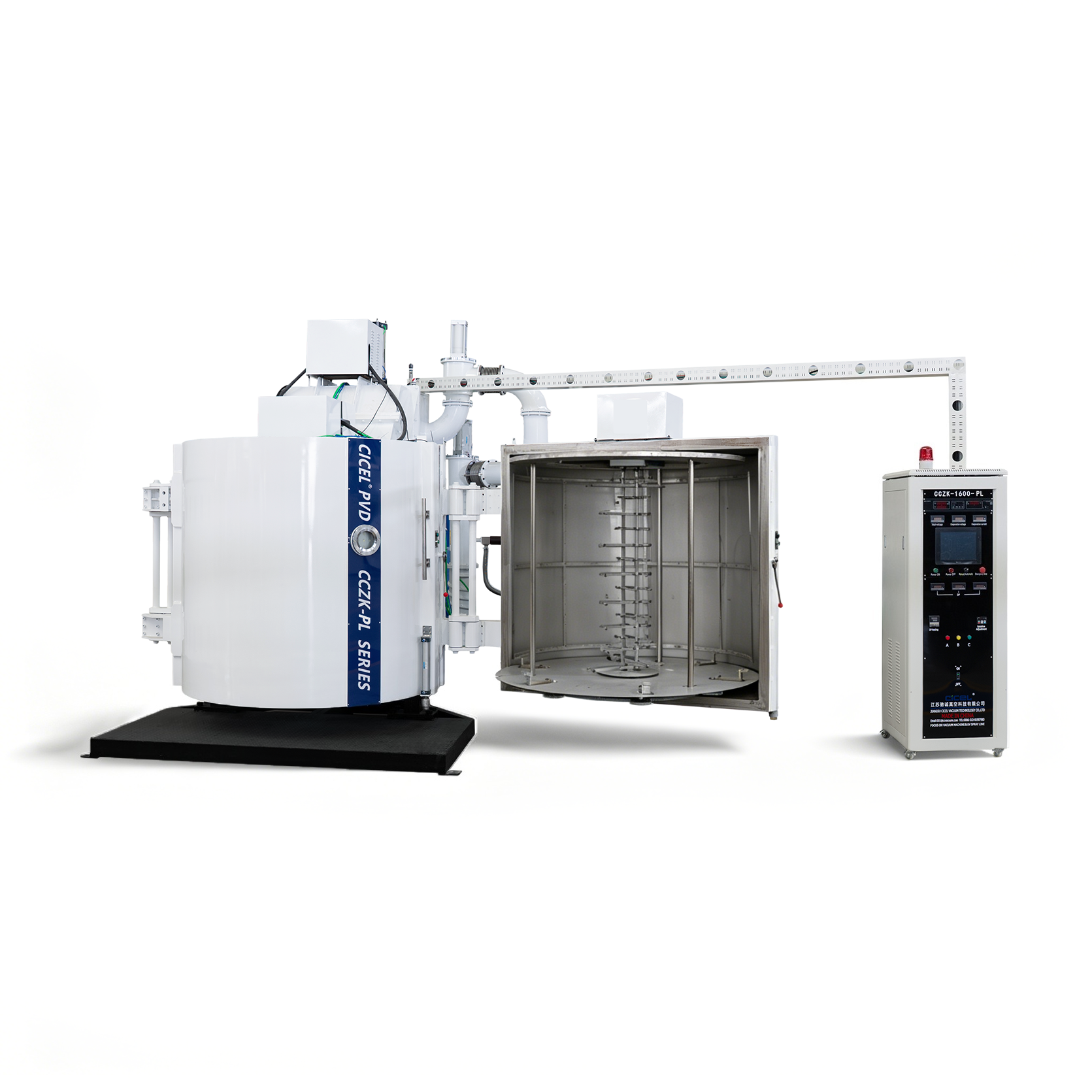
Stable and consistent coating performance is the core pursuit of automotive lamp mass production, which puts forward high requirements for the overall design and integrated performance of vacuum coating equipment. Professional dedicated coating equipment is far more adaptable to high-standard automotive lighting production than ordinary general-purpose coating machines. Our CCZK-PL HMDSO SIO PVD Vacuum Metallizing Machine series vacuum coating machine, a professional automotive reflector vacuum coating machine and headlight vacuum coating machine specially developed for automotive lamp manufacturing scenarios, features factory-built integrated silicon oil deposition functionality. Click here to view the full-process operation workflow.The equipment is inherently designed to complete metal reflective coating and silicon oil protective film deposition in one single vacuum cycle. The all-in-one integrated structure delivers stable process operation, high coating precision and excellent batch consistency, fully complying with the strict quality standards of automotive headlight and reflector surface finishing.
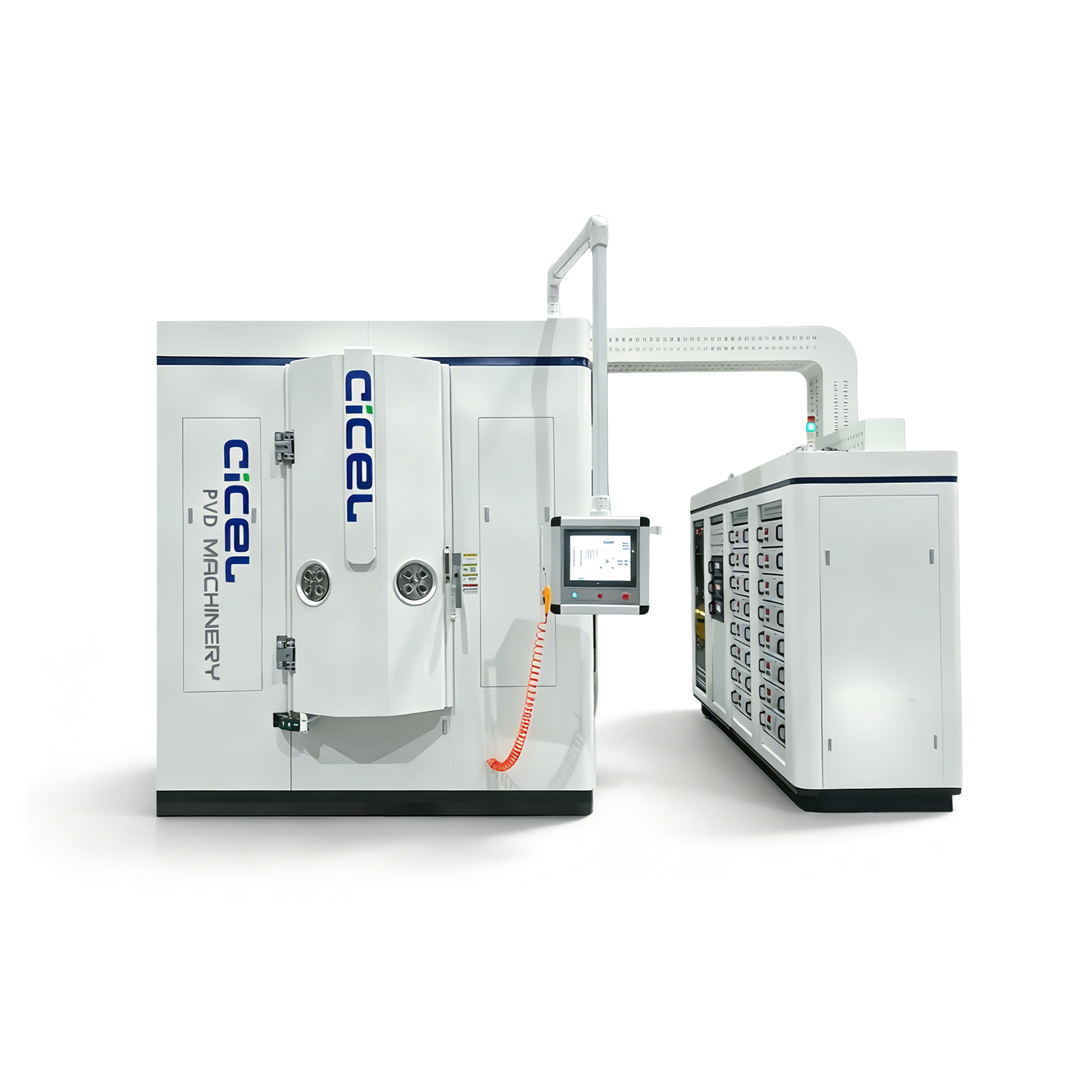
As a professional supplier of automotive-specific vacuum coating equipment and solutions, CICEL focuses on targeted equipment R&D and process optimization for auto lighting component coating. Our flagship CCZK-PL series professional coating machines are exclusively developed for automotive lamp reflector coating scenarios, eliminating the limitations and instability of traditional equipment retrofitting schemes. Our technical team configures exclusive process parameters and operating modes according to customers'workpiece materials, production capacity demands and quality specifications, helping automotive lamp manufacturers achieve efficient, stable and high-quality vacuum coating production while simplifying production procedures and reducing long-term operational costs.
At present, this optimized integrated coating process has been widely used in the production of automotive lamp reflectors and plastic automotive interior parts. It not only improves the qualified rate of finished products, but also reduces long-term production and maintenance costs for enterprises.
With the continuous development of the automotive industry, surface finishing technology for auto parts will continue to evolve towards higher precision, higher efficiency and stronger durability. The integrated vacuum coating process will become a standard configuration for high-end automotive lamp manufacturing. Manufacturers can appropriately upgrade existing coating equipment and processes to enhance product competitiveness in the increasingly stringent market environment.
For manufacturers who want to optimize automotive lamp coating processes or upgrade vacuum coating equipment, professional technical consultation and customized solution support are available to meet diverse production and quality needs. We provide one-on-one process debugging, equipment configuration guidance and long-term technical support to help factories stabilize mass production and improve product market competitiveness.

 EN
EN

 Hot News