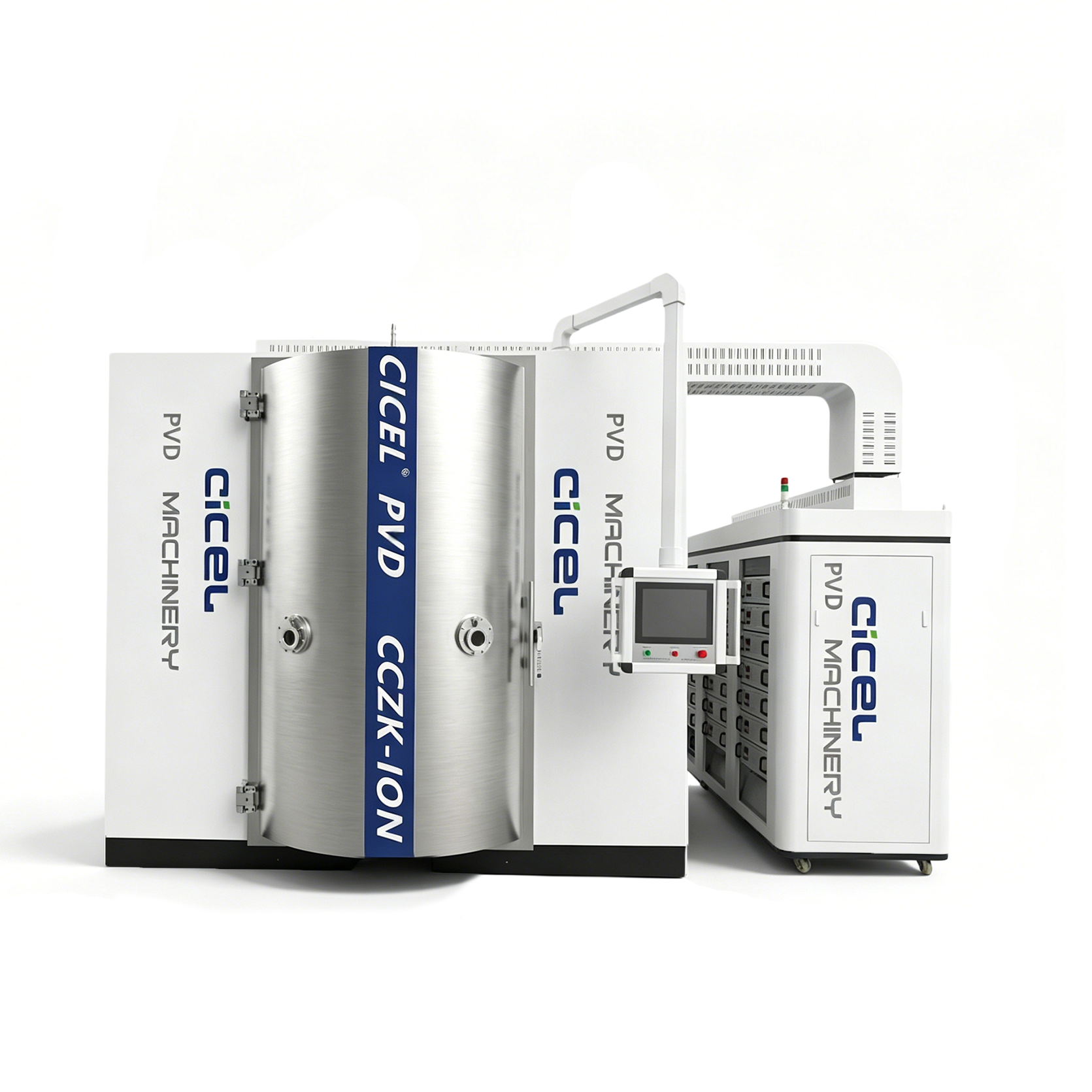
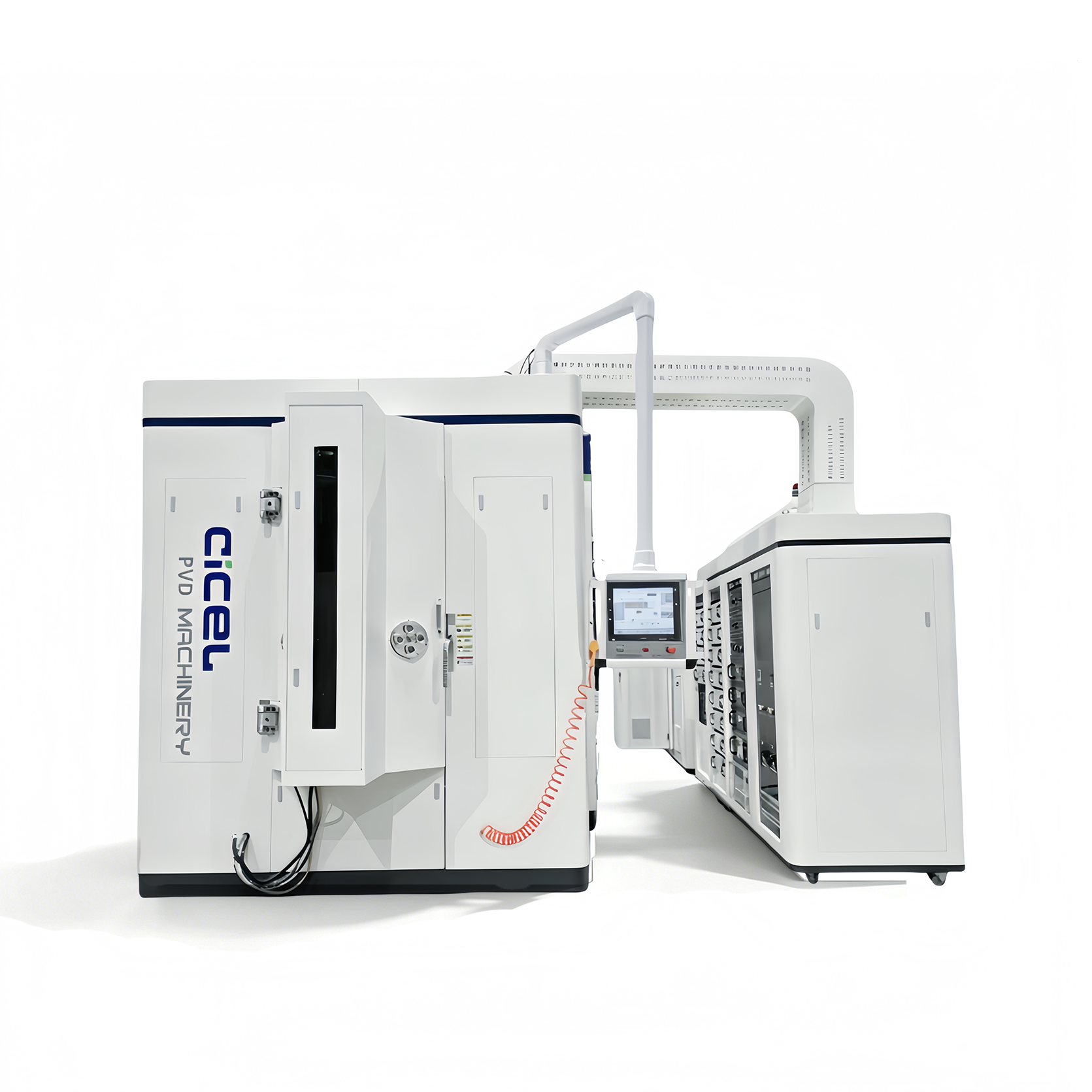
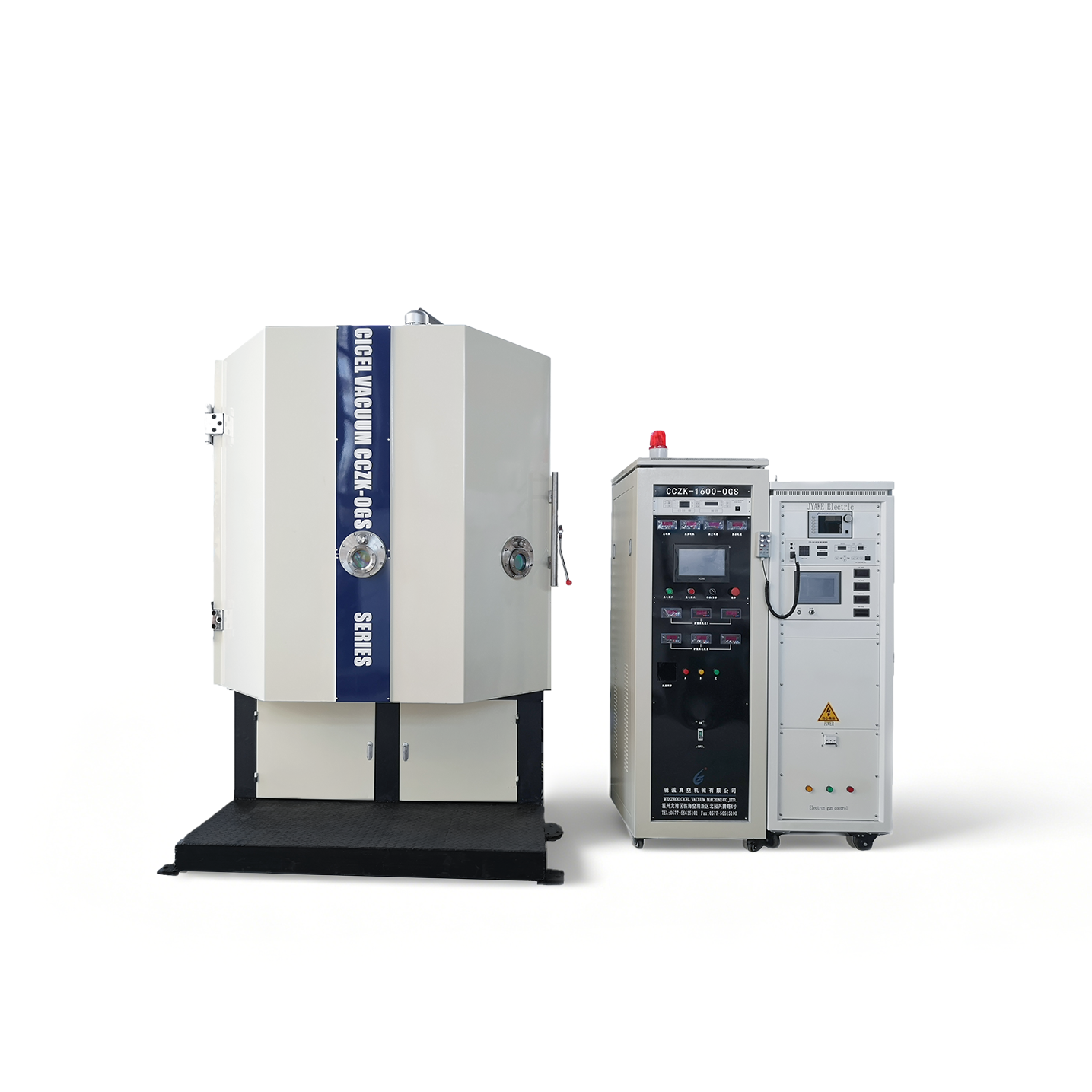
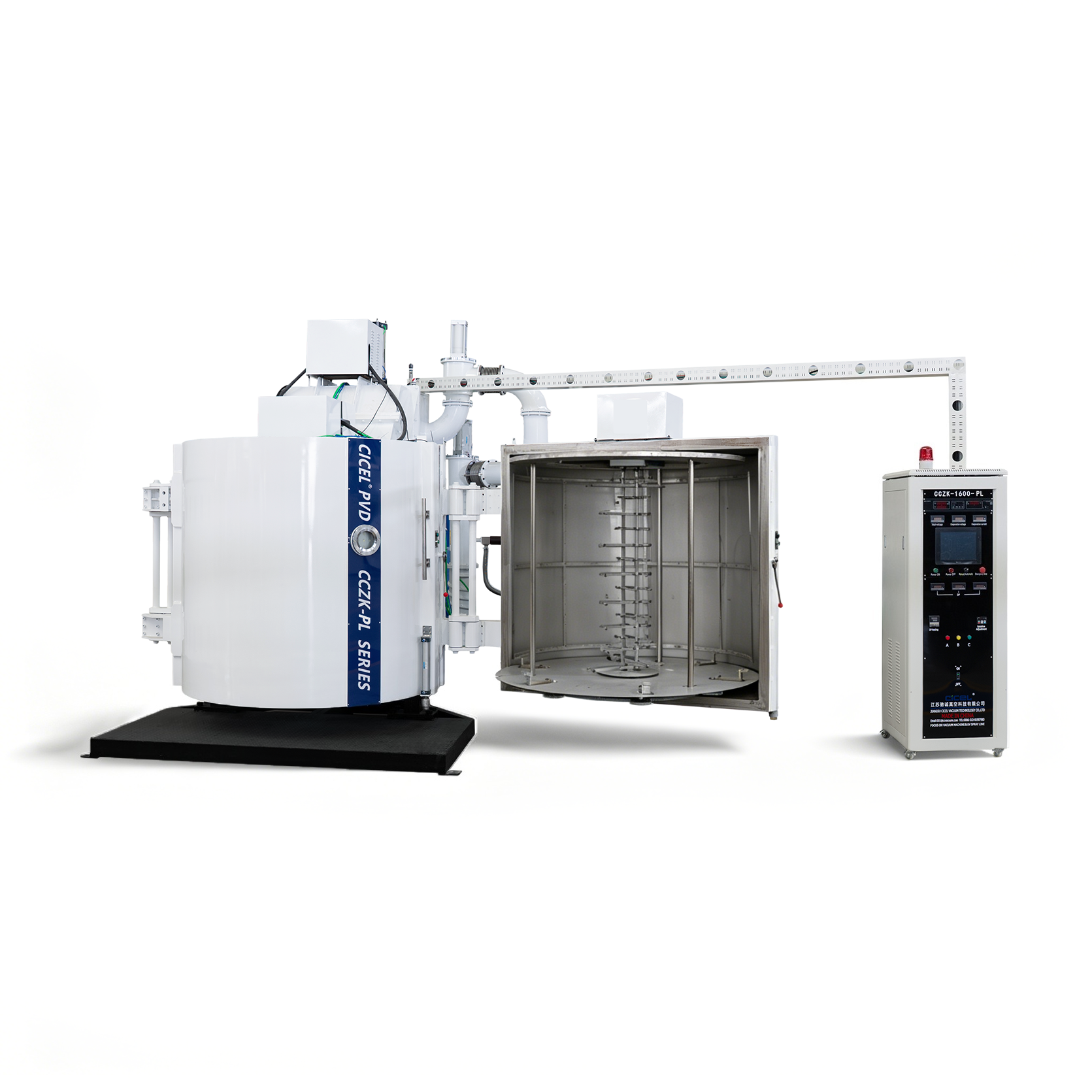
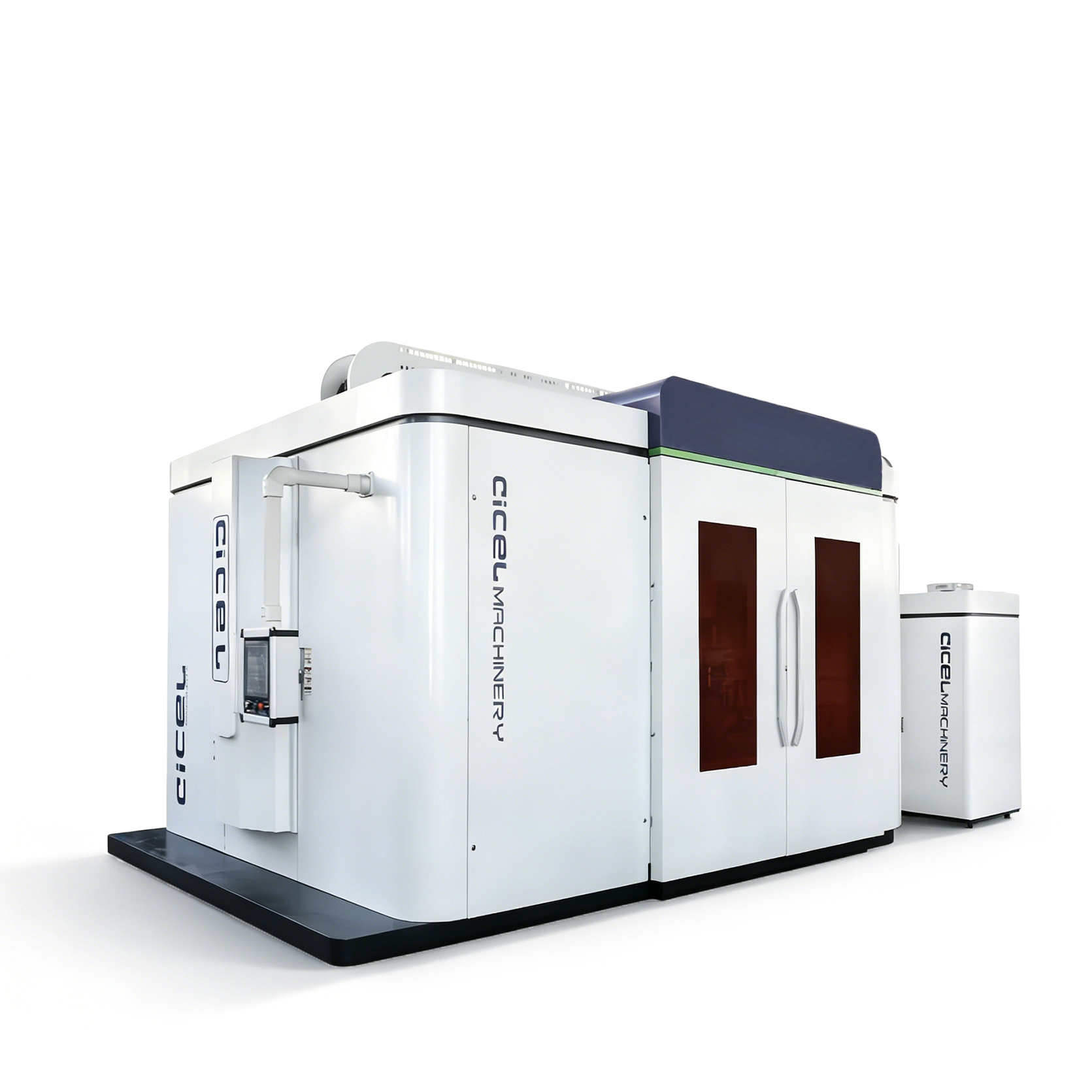
Combining vacuum evaporation coating with UV curing spraying, this eco-friendly process delivers high-quality metallic finishing for plastic parts. Supported by professional vacuum coating machine, vacuum metallizing machine and PVD machine, it solves common coating defects like poor adhesion and uneven texture. Ideal for automotive, cosmetic and home appliance plastic components, it ensures durable, consistent and mass-producible surface finishing for manufacturers.
Plastic components dominate modern manufacturing across automotive, cosmetic packaging, home appliances, and consumer electronics industries. However, raw plastic surfaces often lack metallic texture, wear resistance, and anti-oxidation performance, limiting their aesthetic value and service durability. Traditional painting and electroplating processes struggle to balance high-quality appearance, environmental compliance, and mass production stability. Today, the integrated solution of vacuum evaporation coating combined with UV curing spraying technology has become the most reliable and cost-effective surface finishing method for plastic parts. Supported by professional evaporation PVD vacuum coating machine and automatic UV spraying equipment, this composite process delivers mirror-like metallic finishes, strong coating adhesion, and long-term stable performance, solving multiple pain points of traditional plastic surface treatment.
Core Working Principle of Evaporation and UV Curing Composite Coating
Different from single surface treatment processes, the combination of vacuum evaporation coating and UV curing spraying forms a complete closed-loop production workflow tailored for plastic substrates. The entire process follows standardized pre-treatment, primer curing, vacuum metallization, and surface protection procedures, ensuring full compatibility with polycarbonate, ABS, PP, and other common plastic materials.
First, plastic workpieces undergo strict pre-treatment including electrostatic dust removal and surface activation to eliminate surface oil, dust, and static impurities, laying a foundation for tight coating bonding. Next, automated spraying equipment applies a uniform UV primer on the plastic surface. Unlike traditional thermal curing coatings that require long-time high-temperature baking, UV curing finishes polymerization and hardening in just a few seconds under ultraviolet irradiation. This low-temperature curing mode completely avoids plastic substrate deformation, which is a key advantage for precision plastic parts.
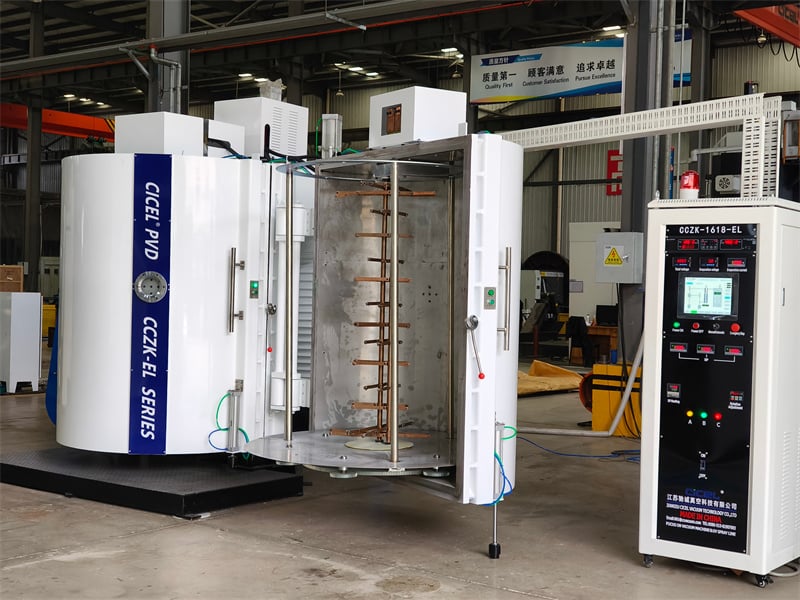
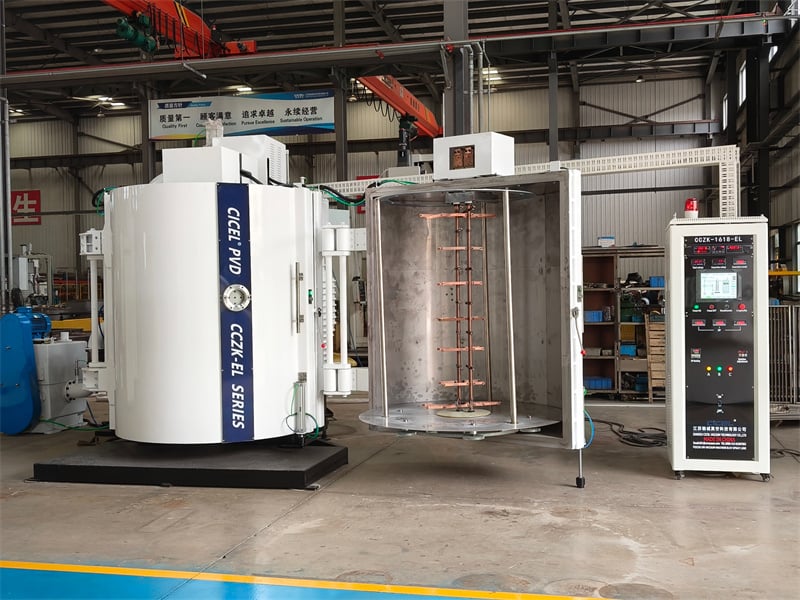
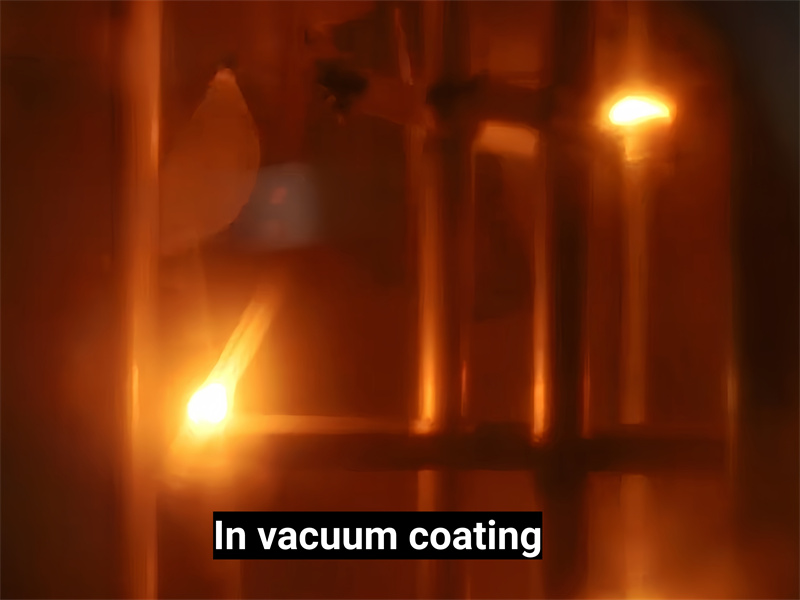
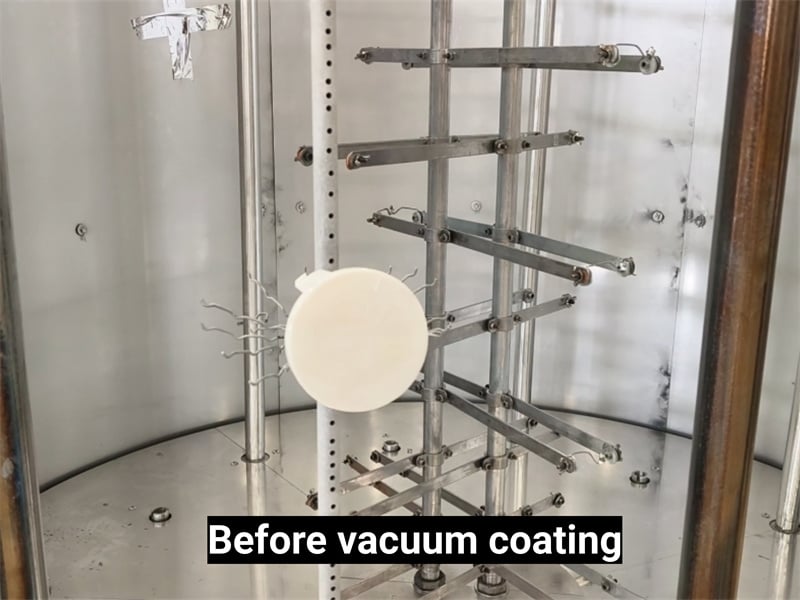
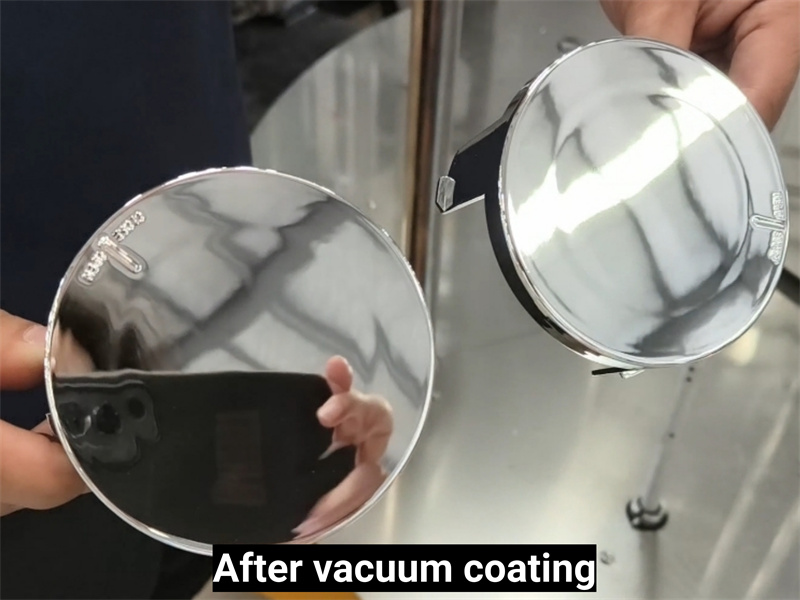
After UV primer curing, workpieces are transferred to the vacuum metallizing machine chamber for vacuum evaporation coating. In a high-vacuum environment, metal materials are heated and vaporized into molecular particles, which uniformly deposit on the cured UV primer to form a dense, ultra-thin metallic film. Finally, a UV topcoat is sprayed and cured again to seal the metallic layer, further enhancing surface protection effects. This integrated process perfectly combines the metallic texture advantages of evaporation coating and the high durability of UV curing technology, making up for the defects of single vacuum coating on plastic surfaces.Click here to view the full process.
Key Advantages of Evaporation Coating + UV Curing for Plastic Parts
The composite process of vacuum evaporation and UV curing spraying has obvious competitive advantages over traditional processes, covering appearance quality, physical performance, production efficiency, and environmental protection.
First, it delivers superior aesthetic performance. The vacuum evaporation process forms an extremely uniform and smooth metallic film without particle points, water ripples, or color difference, creating a high-gloss mirror metallic finish that traditional spraying cannot achieve. Meanwhile, UV topcoats support customized gloss, matte, and various color effects, greatly enriching product surface styling and improving product grade.
Second, the coating boasts ultra-strong adhesion and durability. The UV primer effectively increases the roughness and activity of the smooth plastic surface, solving the industry problem that metallic coatings are easy to peel off from plastic substrates. The double-layer UV protection structure enables the coated parts to have excellent scratch resistance, wear resistance, and chemical corrosion resistance. The metallic layer is effectively isolated from air and moisture, avoiding oxidation, discoloration, and fading, ensuring long-term stable surface performance even in complex usage environments.
Third, the process features high efficiency and mass production adaptability. Relying on automated assembly line cooperation between PVD machine and UV curing equipment, the whole production cycle is greatly shortened. Fast UV curing eliminates long waiting time of thermal curing, and the one-time vacuum evaporation molding realizes batch consistent production. It effectively reduces manual intervention, lowers production defect rate, and significantly improves factory output capacity.
Fourth, the process is green and environmentally friendly. The entire vacuum evaporation process produces no wastewater or waste gas pollution. UV coatings feature low VOC content and no harmful substance volatilization during curing, fully complying with global environmental protection production standards. Compared with traditional electroplating processes with serious pollution risks, this composite process is more in line with the sustainable development needs of modern manufacturing.
Wide Industry Applications
Thanks to its stable performance and diverse styling capabilities, the evaporation and UV curing composite coating process is widely used in multiple high-end manufacturing fields. In the cosmetic packaging industry, it is applied to lipstick tubes, eye shadow boxes, and perfume bottle caps, providing exquisite metallic luster and improving product texture. In the automotive industry, it is suitable for automotive plastic interior parts, lamp decorative parts, and exterior small plastic accessories, meeting the strict weather resistance and anti-aging requirements of automotive parts.
In addition, it is also widely used in home appliance shells, electronic product decorative parts, and daily plastic products. Whether it is high-gloss silver, gold, chrome, or customized matte metallic effects, the process can achieve stable mass production, bringing higher market competitiveness to end products.Click to view more application cases.
Professional Turnkey Coating Solutions
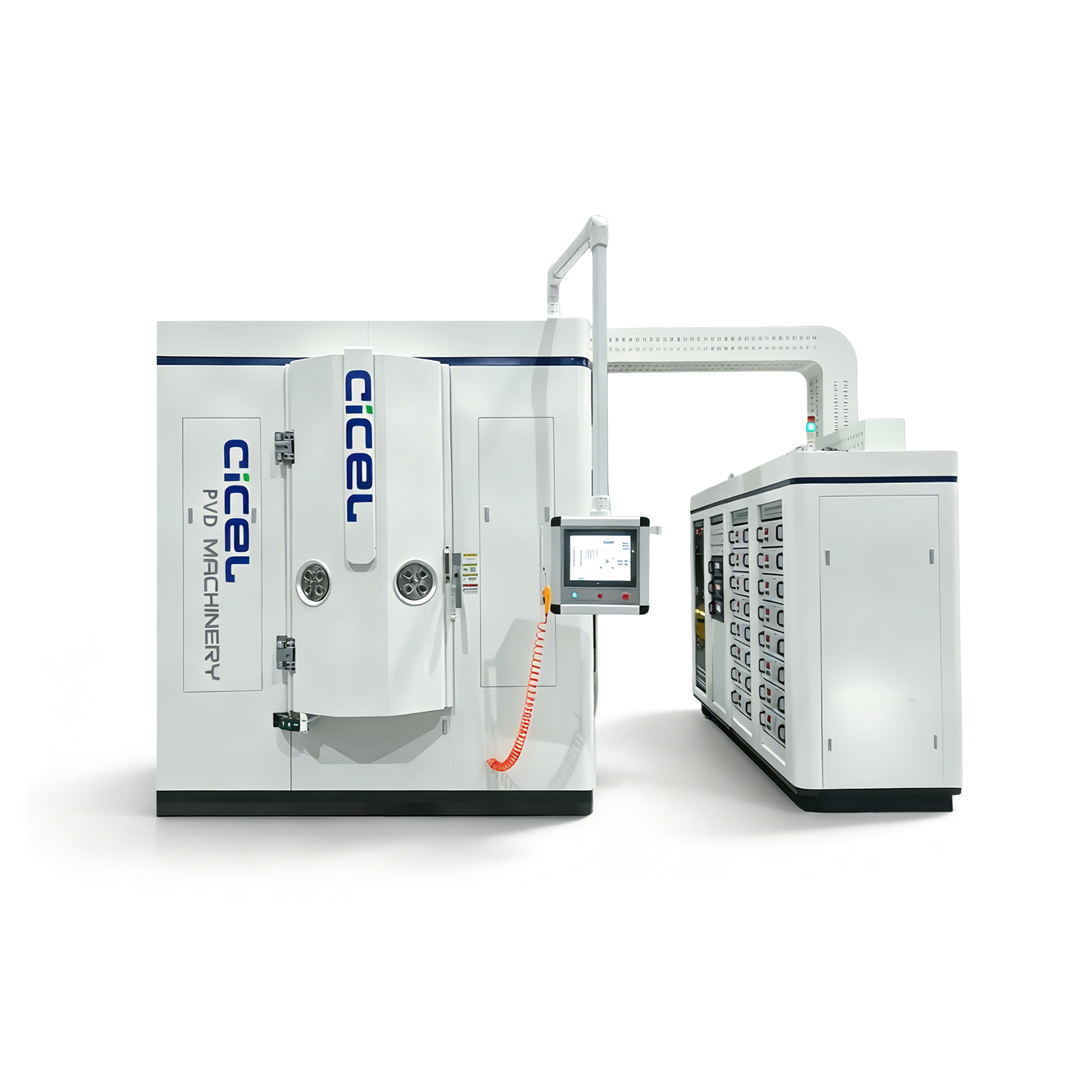
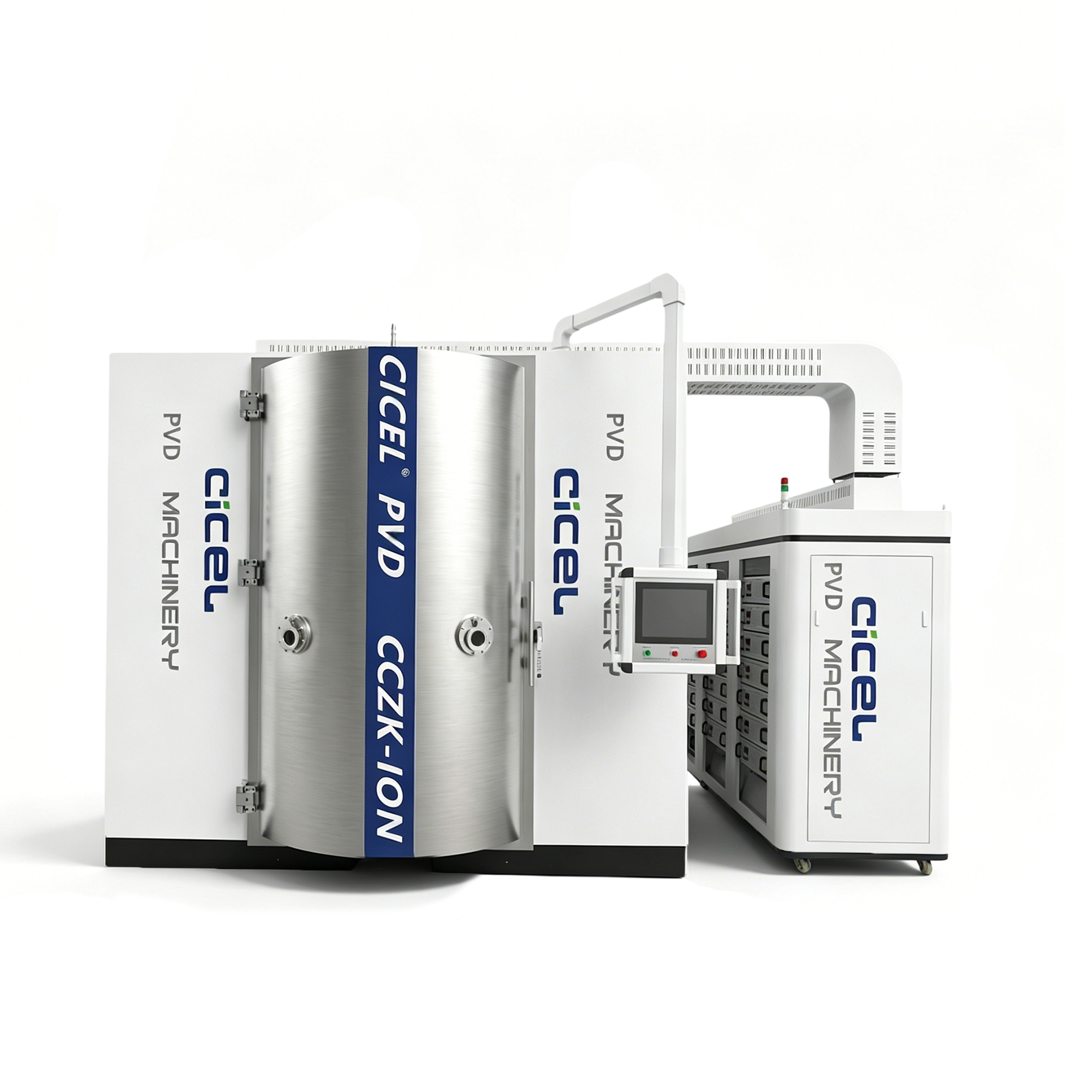
As a professional manufacturer of vacuum coating equipment, we provide complete turnkey solutions integrating vacuum evaporation coating machines, automated UV curing spraying lines, and process technical support. Our equipment is specially optimized for plastic part coating characteristics, with stable operation, simple maintenance, and high batch consistency. We support personalized equipment configuration and process parameter debugging according to customers' workpiece materials, product styles, and production capacity needs, helping global manufacturers achieve high-quality, efficient, and environmentally friendly plastic surface finishing production.
For manufacturers looking to upgrade plastic coating processes or introduce integrated evaporation and UV curing production lines, our professional technical consultation and customized solution support can fully meet diverse production and quality requirements. We provide one-on-one process debugging, equipment operation guidance, and long-term after-sales technical support to help factories stabilize mass production, reduce production costs, and maximize product market value.
If you are looking for reliable, high-efficiency vacuum coating and UV curing solutions for your plastic component production, feel free to contact our professional team. We offer free project evaluation, customized equipment configuration schemes, and targeted process guidance to solve your surface finishing challenges. Welcome to inquire about detailed parameters, production cases, and factory cooperation solutions!

 EN
EN

 Hot News