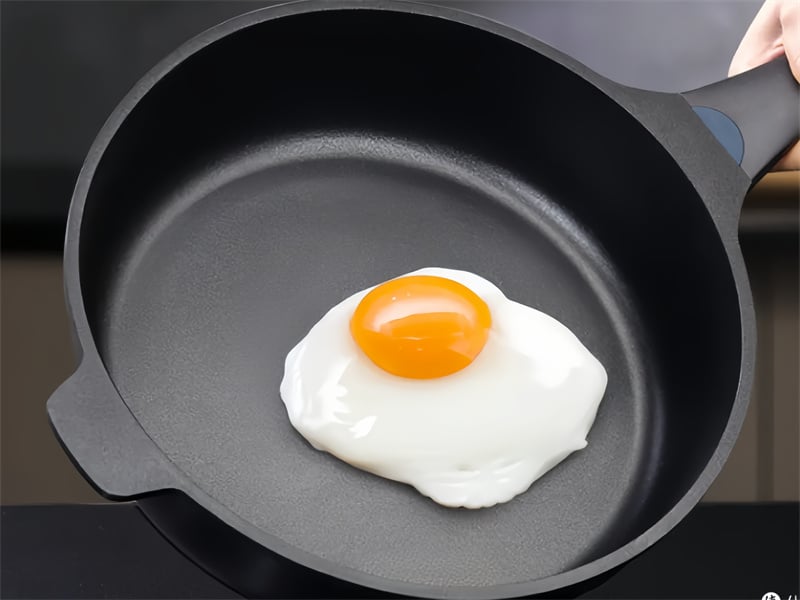
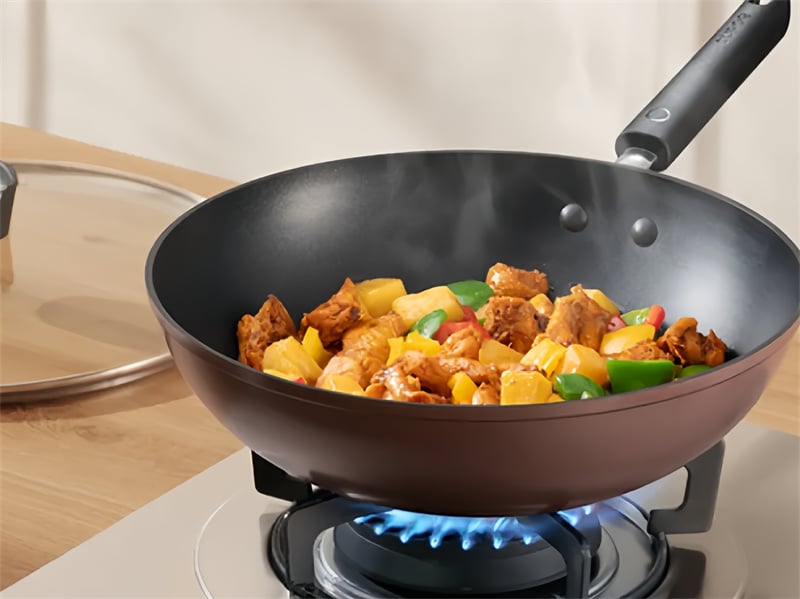
Traditional PTFE coated non-stick pans suffer from peeling, scratching and potential safety risks under high heat. Thanks to advanced vacuum coating technology, titanium-containing multi-layer nano composite coatings offer a reliable alternative.
Non-stick pans have become essential kitchenware for households worldwide. For decades, spraying PTFE (Teflon) coatings has dominated non-stick cookware manufacturing, remaining the most common process to achieve non-stick surfaces for frying pans and woks. However, rising consumer awareness of food safety and growing demand for durable kitchenware have widely exposed the inherent limitations of conventional PTFE spraying technology. As industrial vacuum coating technology matures and gains rapid industrial traction, innovative titanium-containing hard nano composite coatings have emerged as a game-changing alternative coating solution. Enabled by high-performance vacuum coating machine and advanced PVD coating machine technology, this cutting-edge non-stick pan coating effectively solves long-standing pain points of traditional PTFE-coated non-stick pans. It greatly upgrades surface durability and cooking safety, further driving the global cookware industry toward safer, more reliable and longer-lasting production standards with standardized vacuum coating production lines.
Hidden Drawbacks of Conventional PTFE Sprayed Non-Stick Coatings
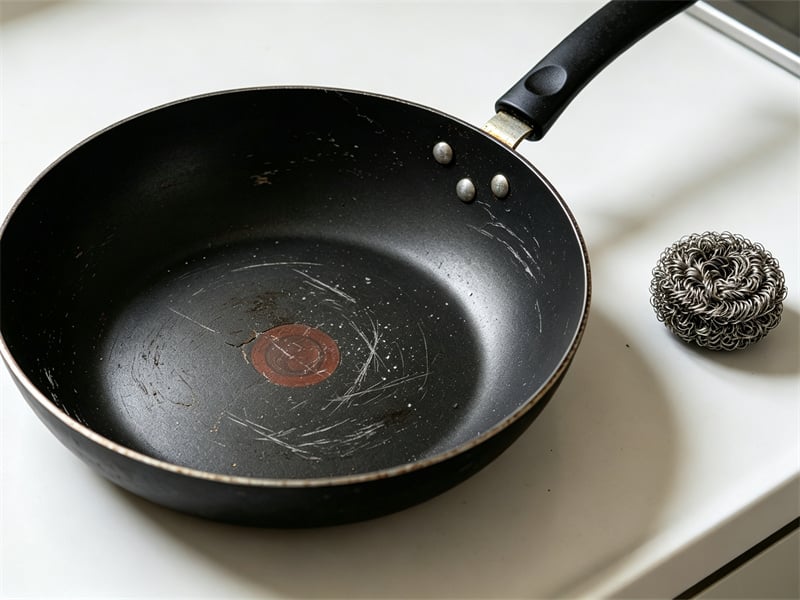
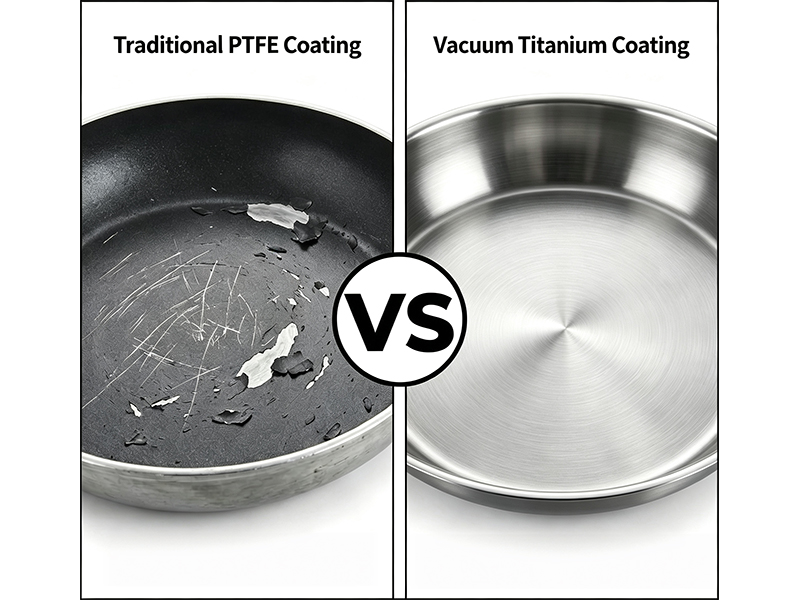
Early non-stick cookware mostly relies on PTFE spraying to achieve non-stick performance. Although PTFE delivers good initial non-stick effects, it carries unavoidable defects. When exposed to high-temperature stir-frying or dry heating, PTFE coatings may decompose and release harmful substances. In addition, PTFE features low surface hardness. Daily use with metal spatulas or cleaning with steel wool easily scratches and peels the coating. Flaked coating fragments may mix with food, creating potential health risks with prolonged use.
Beyond safety concerns, PTFE coatings have a limited service life. After a period of regular use, widespread abrasion leads to food sticking, forcing consumers to replace cookware frequently and raising long-term usage costs. The bottlenecks of traditional spraying technology push the whole industry to seek safer, more wear-resistant coating alternatives.
Vacuum Coating: A Revolutionary Coating Solution for Non-Stick Pans
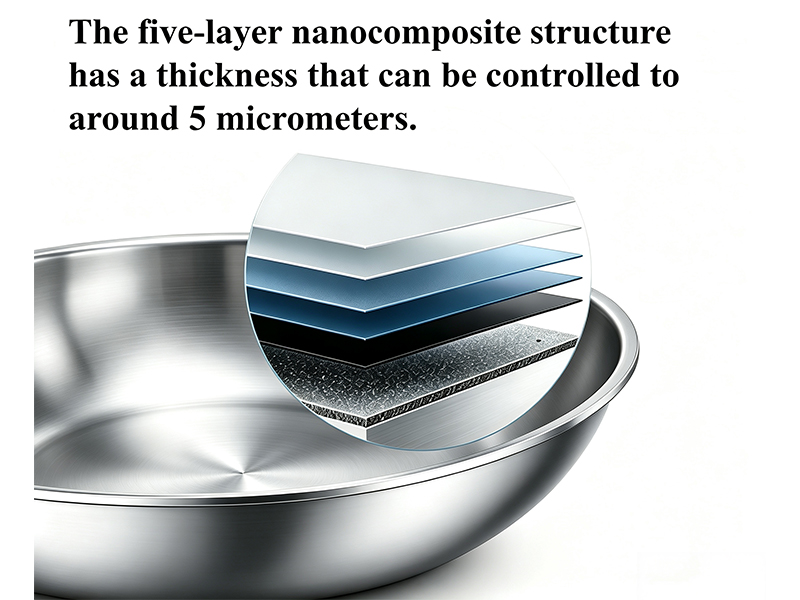
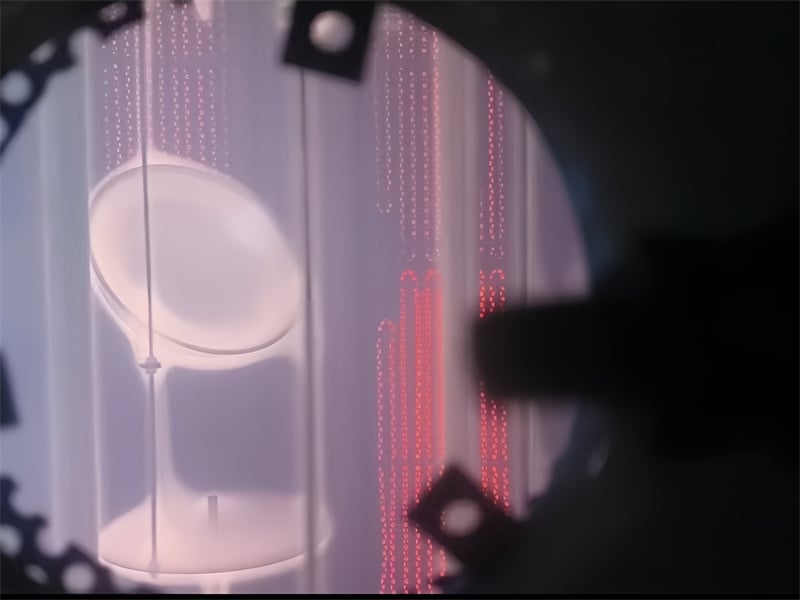
The commercialization of industrial vacuum coating technology brings disruptive solutions to the non-stick cookware sector. Unlike conventional PTFE spraying, which simply covers the substrate surface with a loose coating layer, vacuum coating proceeds entirely within a sealed, high-purity vacuum environment through ion deposition. A robust titanium-containing alloy coating forms firmly on pan surfaces via precise multi-layer deposition, creating a stable 5-layer nano composite coating structure with film thickness controllable at approximately 5 microns. This advanced non-stick pan coating achieves tight metallurgical bonding with metal substrates, overcoming the weak adhesion defect widely seen in traditional spray coatings.
Vacuum titanium-containing composite coatings outperform PTFE spray coatings in multiple critical aspects:
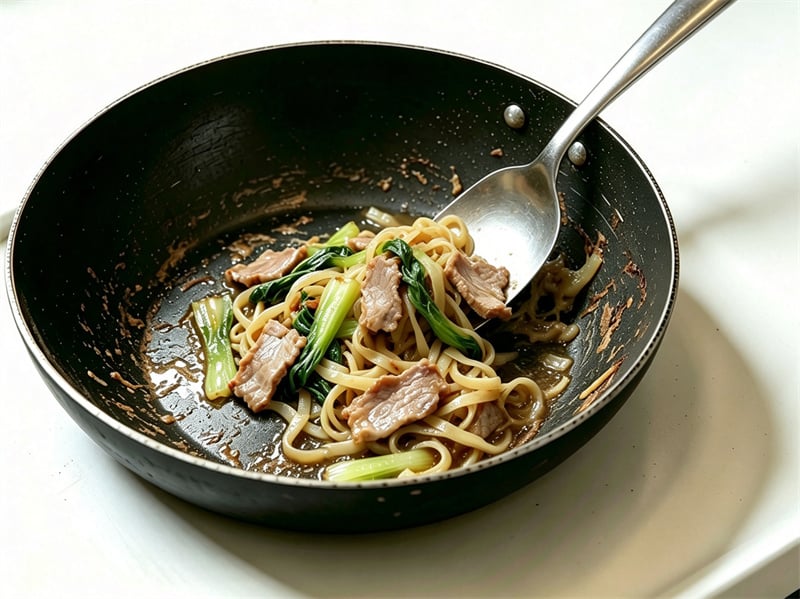
• Outstanding mechanical properties: High hardness, strong wear resistance, scratch resistance and corrosion resistance. Coatings withstand metal spatula stirring and steel wool cleaning, greatly extending pan service life.
• Stable structure against peeling: Ion bonding in vacuum firmly integrates the coating with substrates. The stable molecular structure prevents flaking, eliminating risks of ingested coating debris.
• Food-grade safety: Titanium-based composite coatings feature favorable biocompatibility and stable chemical properties. No harmful substances are released under high cooking temperatures for safer daily cooking.
• Excellent high-temperature resistance: Well adapted to Chinese-style cooking, maintaining stable performance during intense stir-frying and short-term dry heating.
Vacuum coating directly addresses core weaknesses of classic non-stick pans. It balances safety, wear resistance and long-term stability, upgrading kitchen cooking experience and safeguarding household dietary health.
CICEL Vacuum Coating Equipment for Premium Non-Stick Cookware
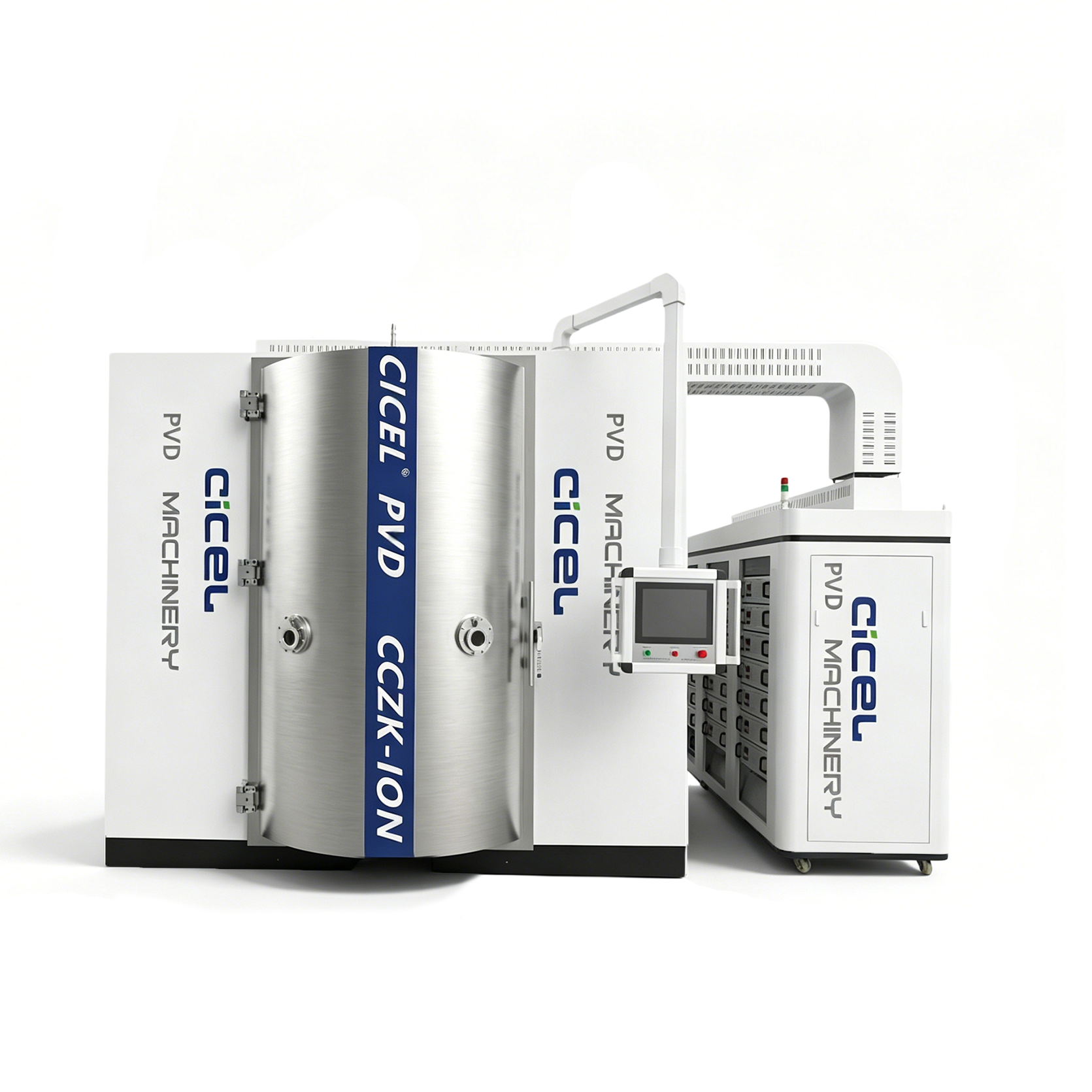
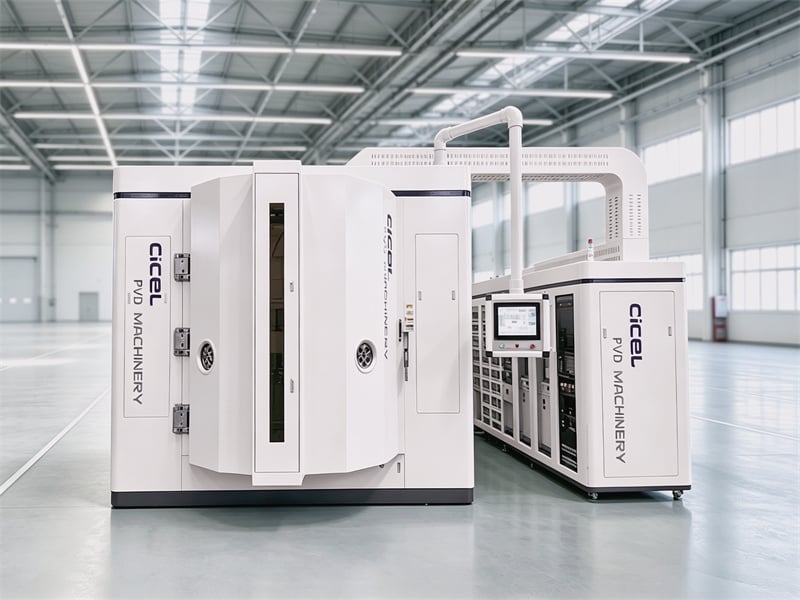
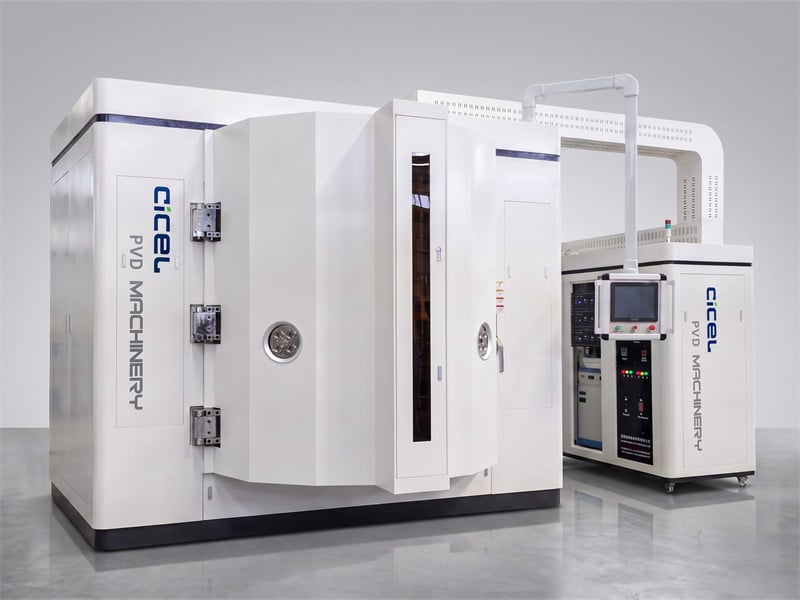
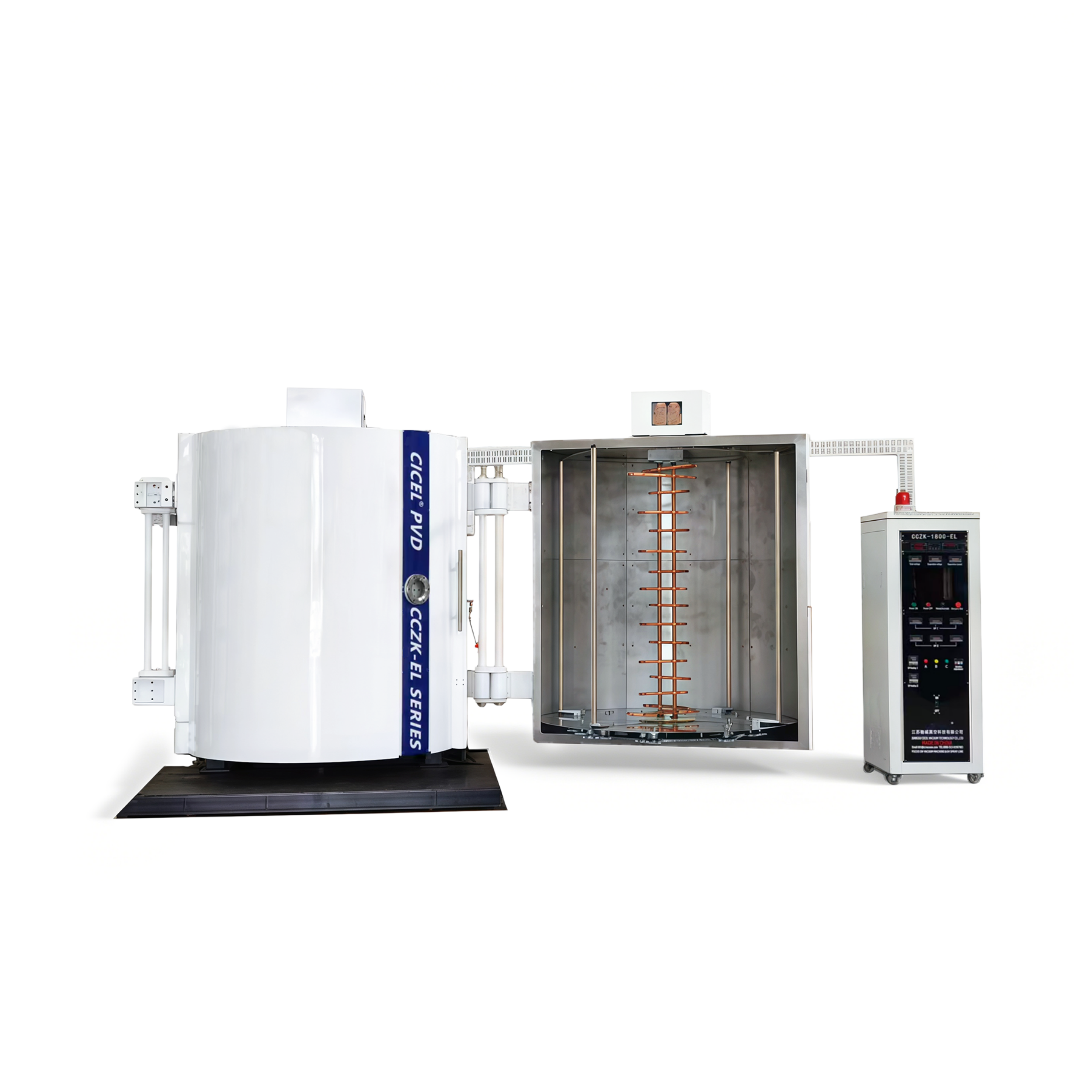
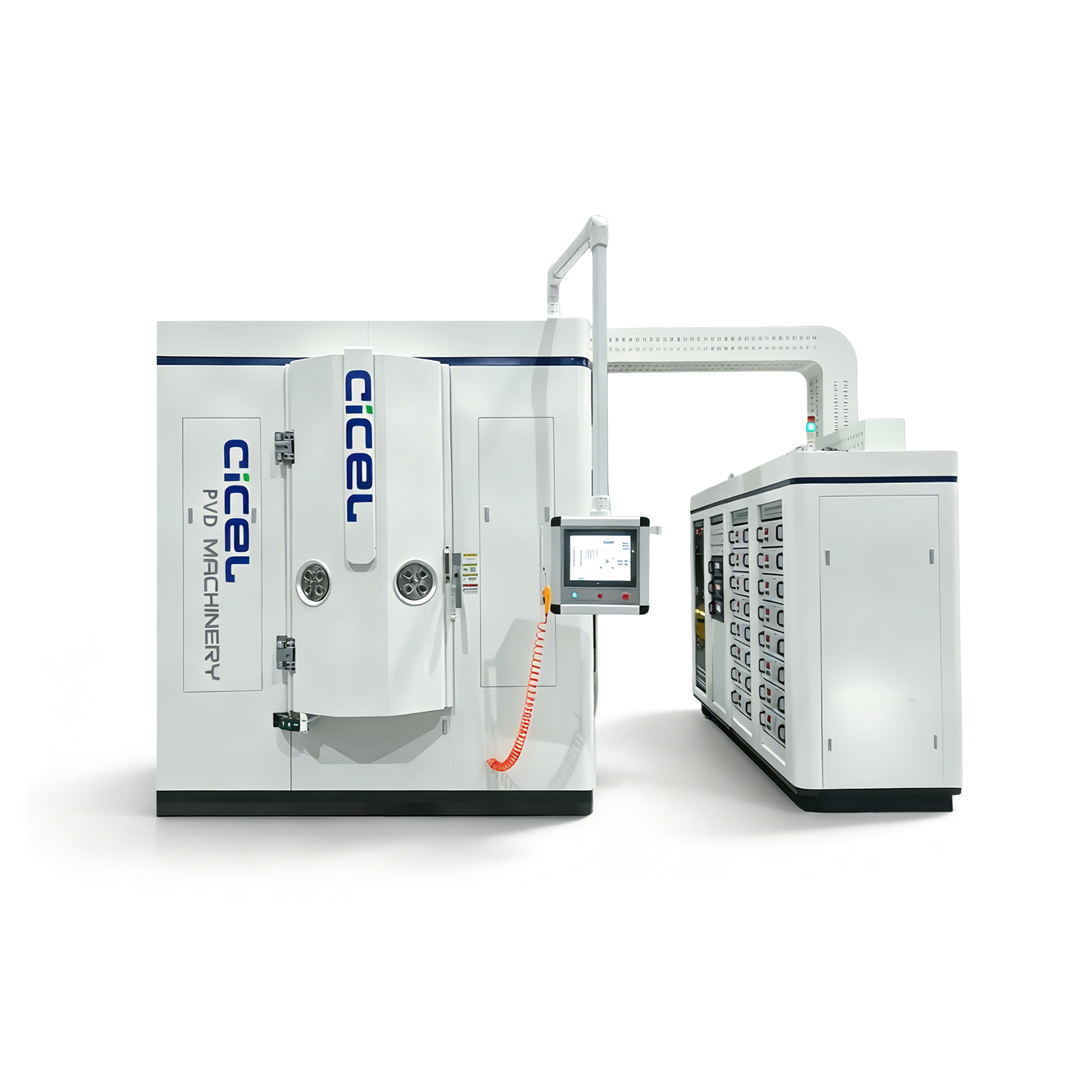
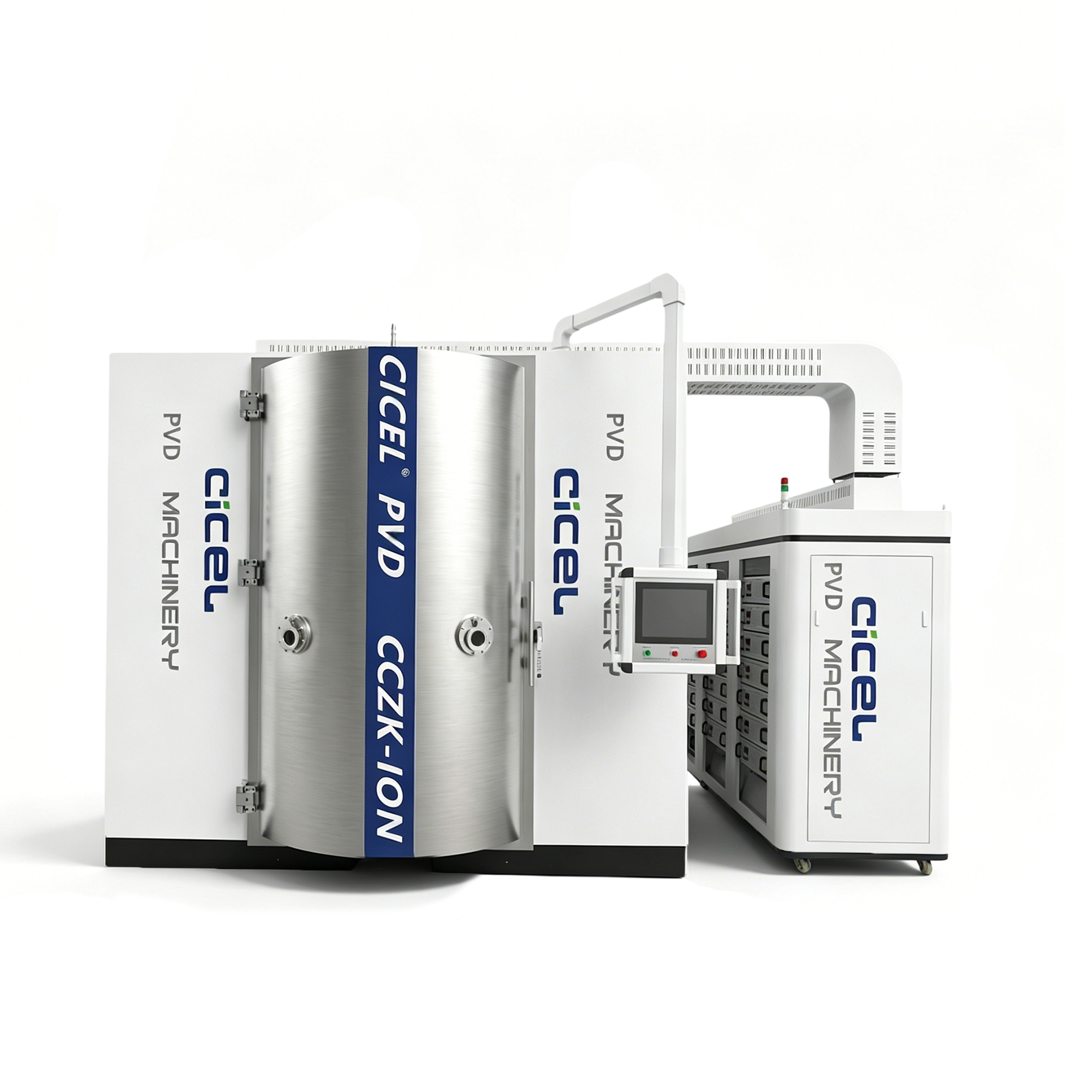
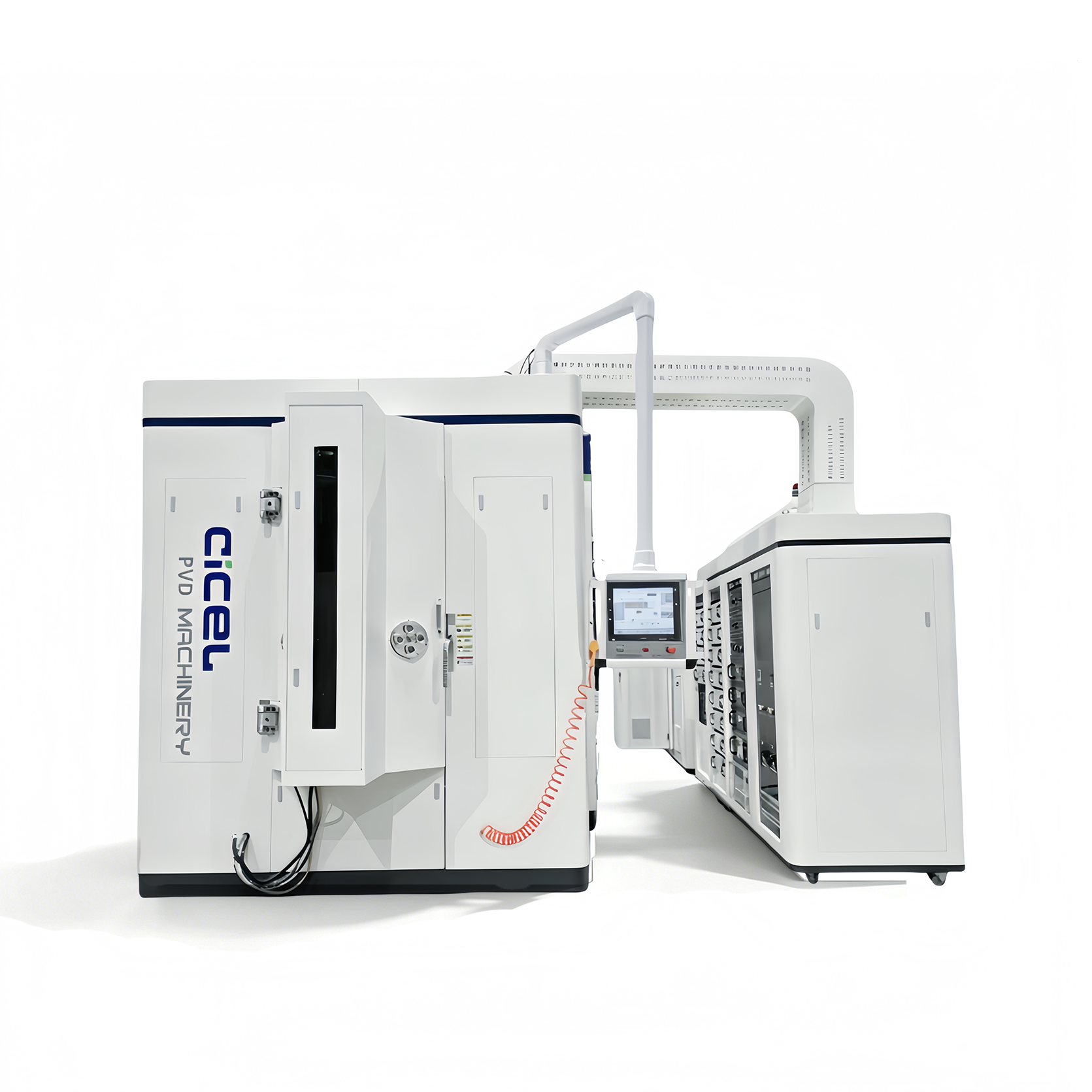
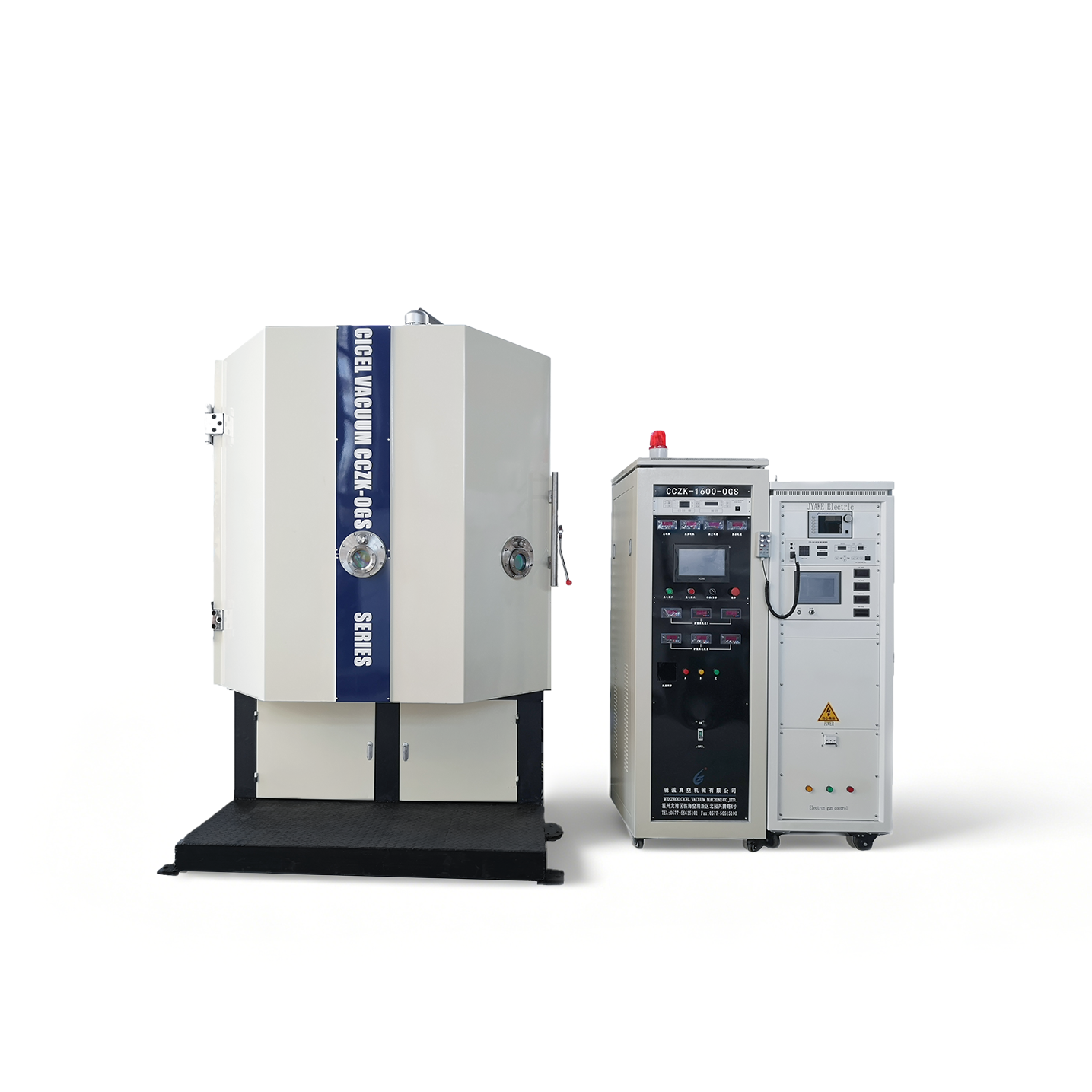
Large-scale adoption of advanced coating technology relies on high-performance vacuum coating machinery. CICEL has launched the CCZK-2500-ION vacuum coating machine specifically designed for depositing nano composite coatings on cookware.
Key equipment specifications:
• Efficient vacuum pumping system.
• Fully automatic control system for simple operation.
• Extra-large chamber: D2500mm × H2500mm.
• Multiple unbalanced magnetron cathodes and dual dynamic arc systems.
Custom chamber sizes are available to build tailor-made coating production lines.
This machine consistently produces dense, uniform multi-layer titanium composite coatings with core characteristics:
• High hardness, wear resistance, scratch and corrosion resistance.
• Consistent coating hardness, adhesion and film thickness.
• 5-layer nano composite structure, film thickness precisely controlled at 5 μm.
CICEL CCZK-2500-ION vacuum coating equipment empowers cookware manufacturers to mass-produce high-end, safe non-stick pans.
Vacuum Coating Fuels Cookware Industry Upgrading
Consumer demands keep evolving, with safety, durability and premium quality defining cookware market trends. Restricted by inherent safety risks and durability flaws, the market growth of traditional PTFE spraying solutions is gradually slowing down. Hard inorganic coatings manufactured via advanced vacuum PVD coating are rapidly becoming the mainstream technology for high-end non-stick pans, relying on stable performance supported by professional vacuum coating machine and PVD coating machine production lines.
For cookware manufacturers, investment in vacuum coating lines creates differentiated premium products and helps businesses escape low-price homogeneous competition. For end consumers, vacuum coated non-stick pans reduce coating peeling risks and avoid hazards from decomposed chemicals, protecting every meal.
Continuous advances in surface engineering reshape the competitive landscape of the non-stick pan industry. With ongoing upgrades to vacuum coating machine hardware and wider adoption of mature PVD coating processes, safer and more durable coated cookware will enter more homes. The cookware manufacturing industry will keep advancing toward greener, healthier and higher-quality development.
Want to see how our vacuum coating machine creates a durable titanium composite coating for cookware? Click to watch the video to learn about the complete cookware coating process.

 EN
EN

 Hot News