
 EN
EN
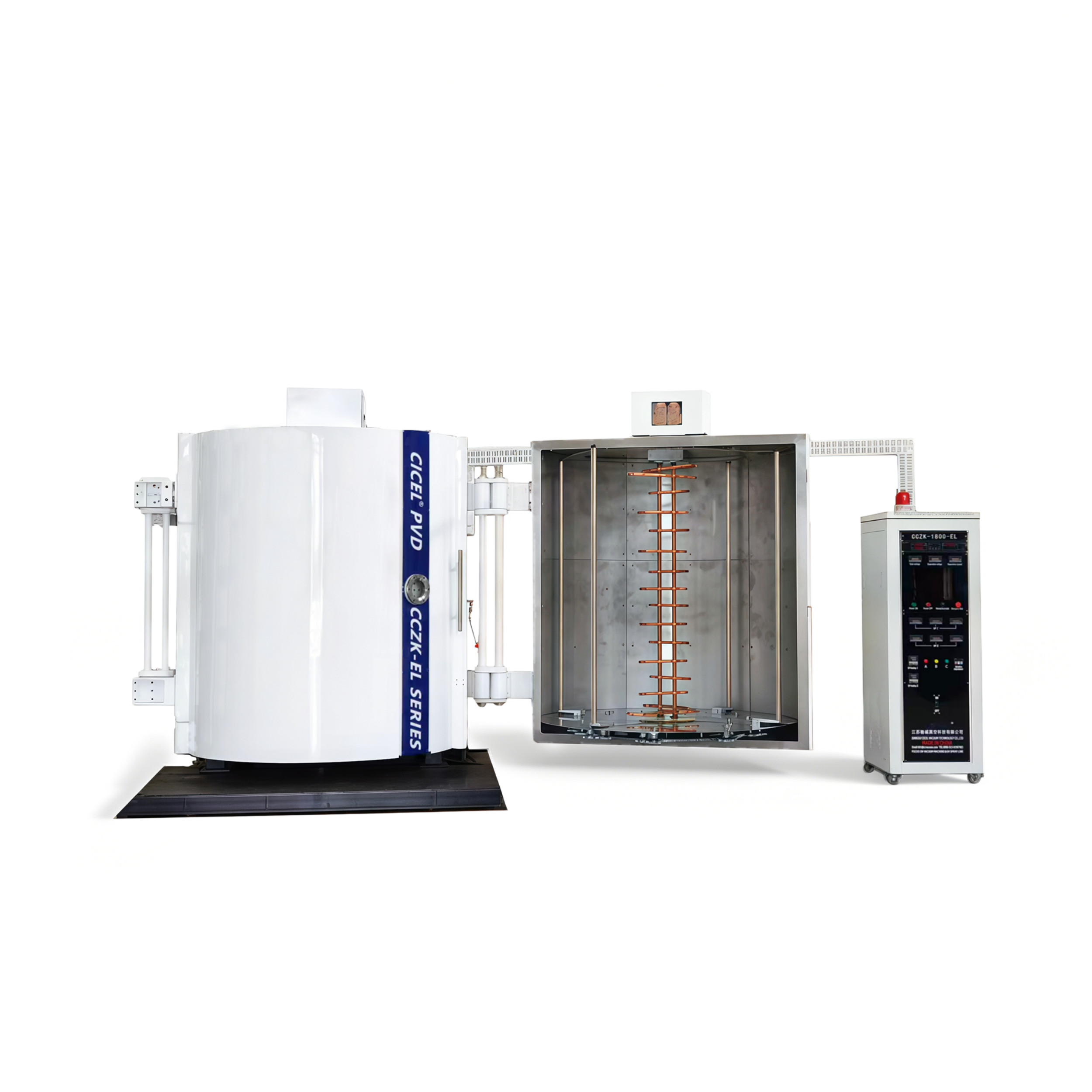
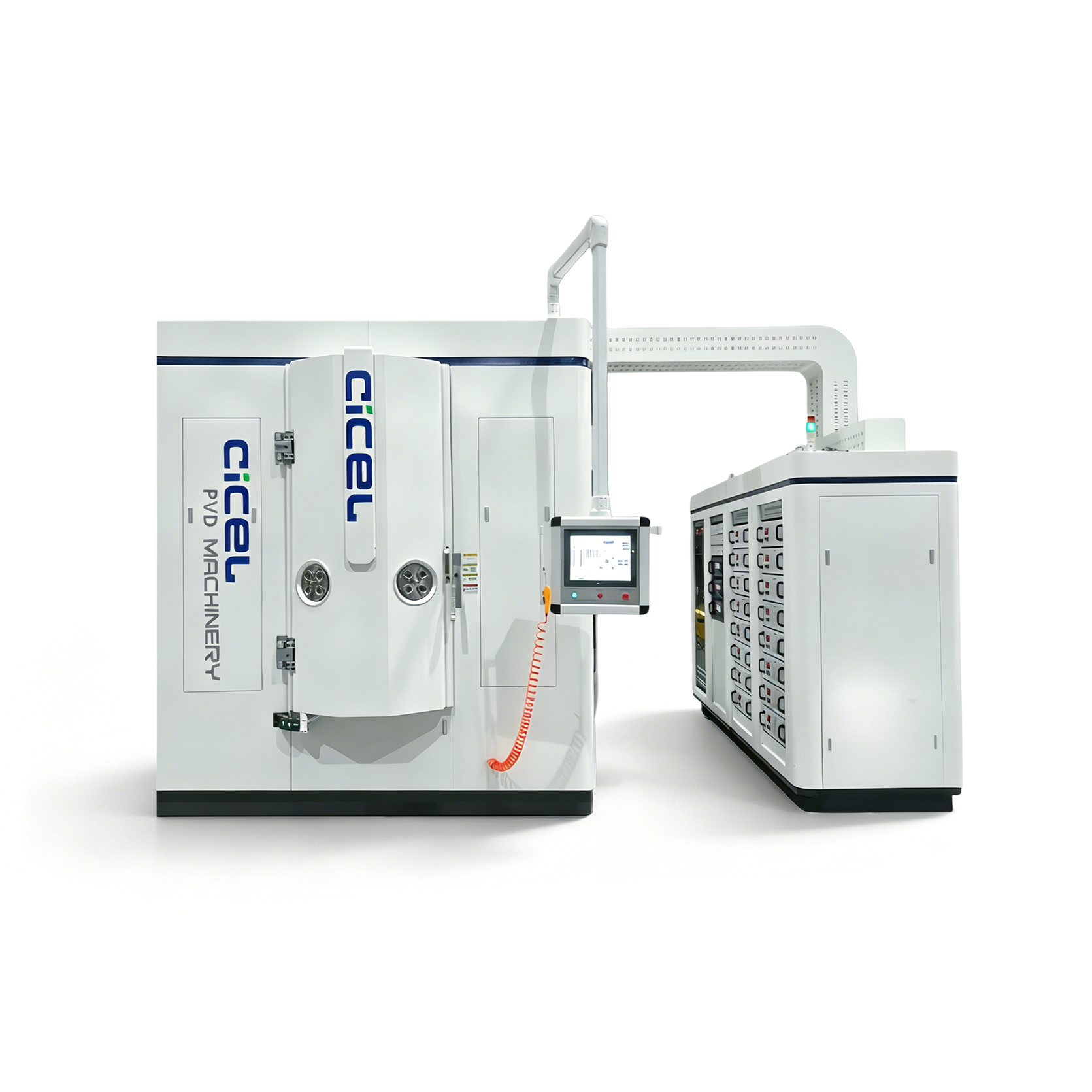
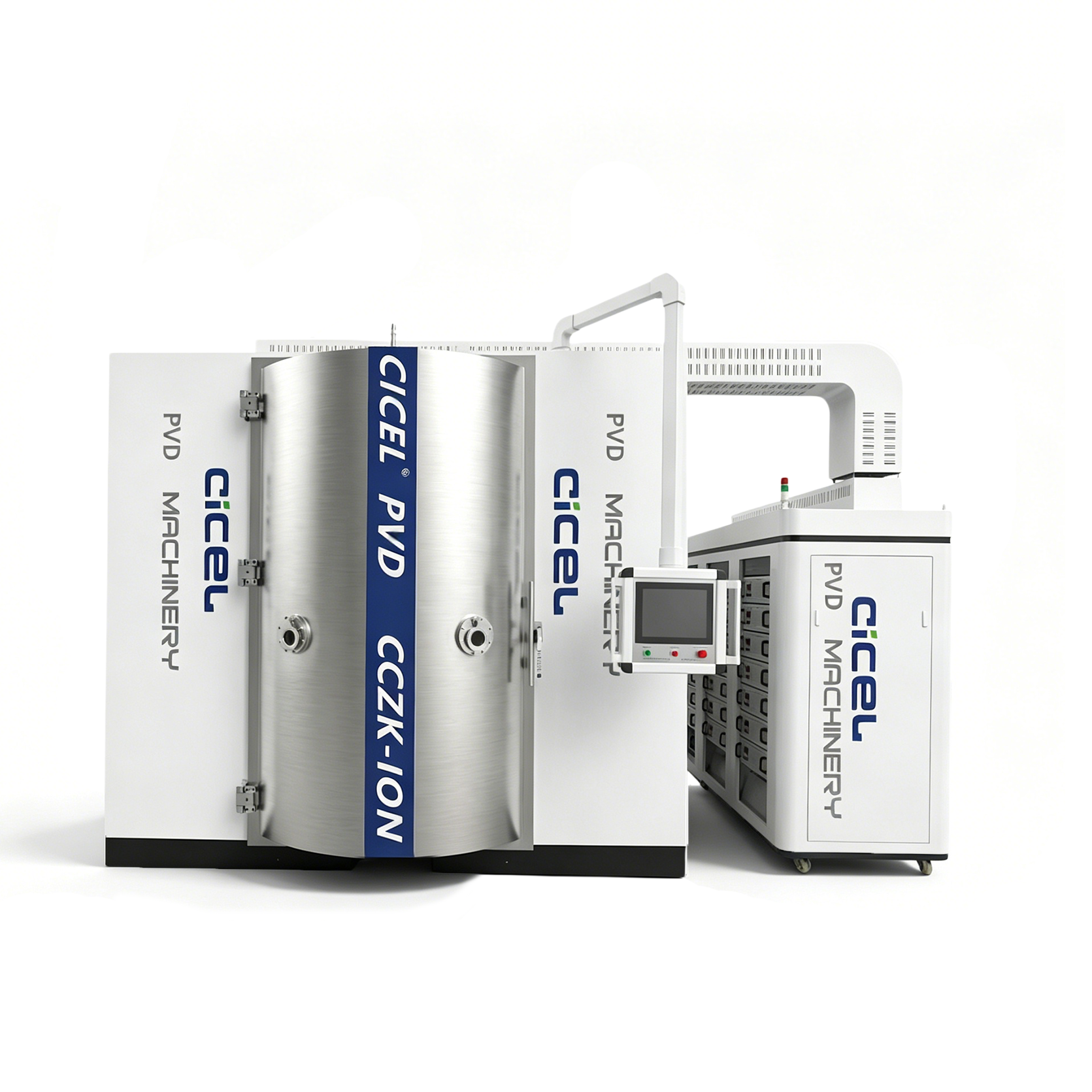
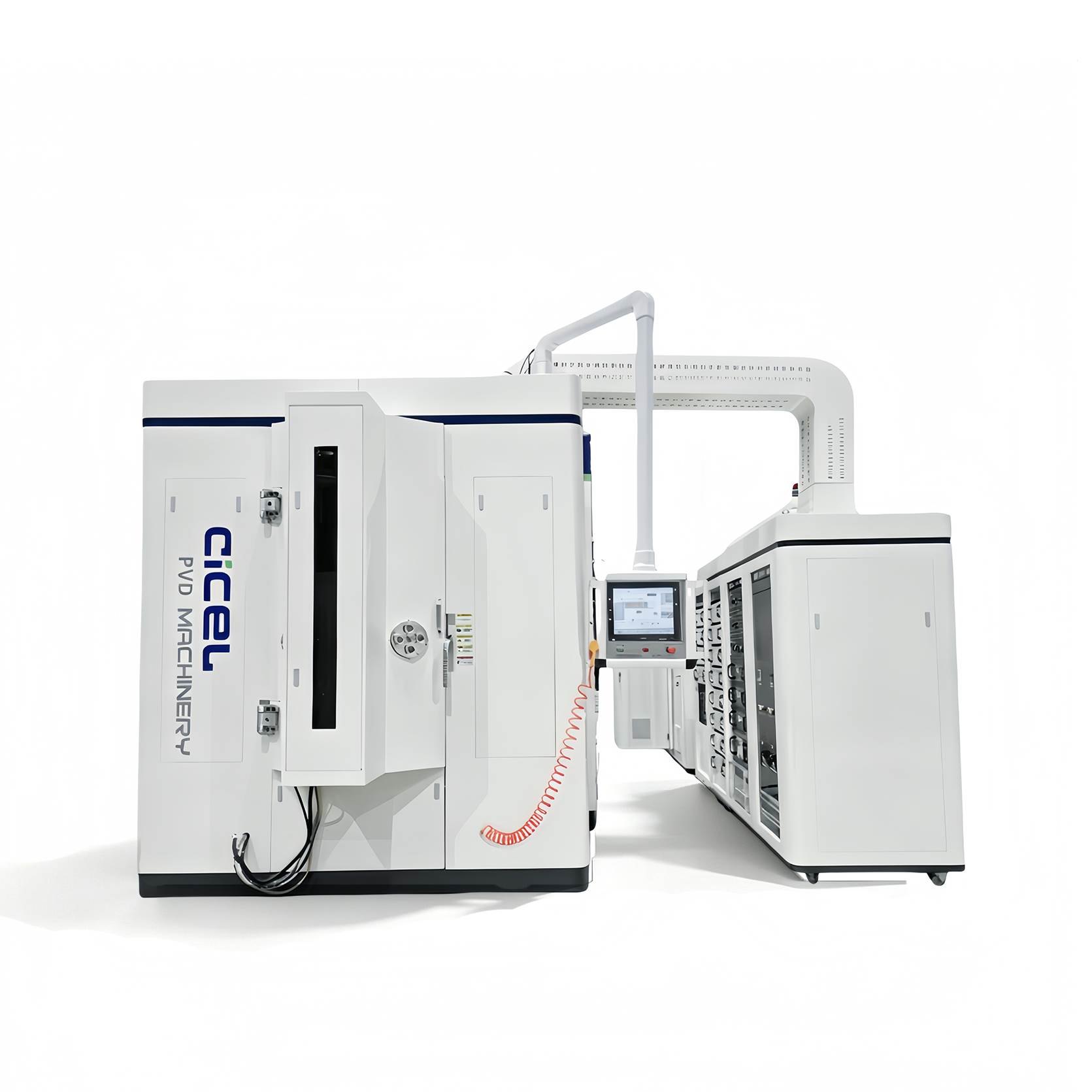
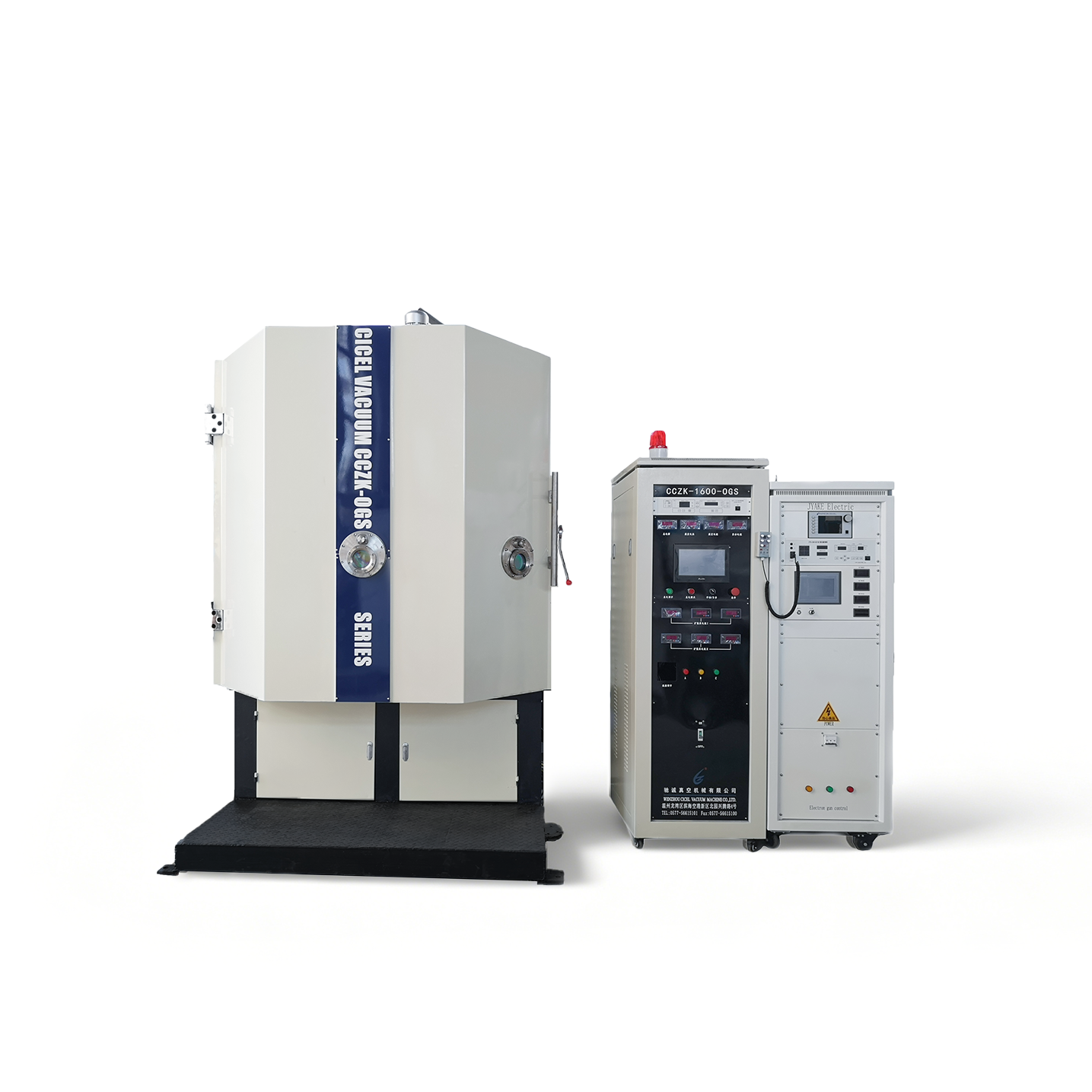
PVD vacuum coating, or Physical Vapor Deposition, is a modern technique used to apply thin layers of metal or other materials onto surfaces. This method is popular in many industries because it helps make products stronger, more durable, and better looking. Companies like CICEL specialize in this process, providing high-quality vacuum coating plant for various applications. PVD coatings can be found on items like watches, tools, and even car parts. The process involves placing materials in a vacuum chamber, heating them until they turn into vapor, and then allowing them to settle on the surface of the item being coated. This creates a strong bond that enhances the product's performance.

Common Usage Issues with PVD Vacuum Coating and How to Avoid Them
PVD vacuum coating is a game changer for many products because it adds a layer of protection. For instance, tools coated with PVD coatings last longer because they resist scratches and corrosion. Imagine a drill bit that stays sharp longer; this means fewer replacements and lower costs for businesses. The coatings also improve the appearance of items, making them look shiny and new. This is especially important for consumer products, where looks matter. Another great example is in the automotive industry. Car parts coated with PVD can withstand harsh weather conditions better than those without coatings. This means drivers can rely on their vehicles for a longer time. Plus, the coatings can reduce friction, which makes machines run more smoothly and efficiently. When an engine runs better, it uses less fuel, which is good for both the environment and the wallet. So, PVD vacuum coating not only makes products look good but also helps them perform better and last longer, making it a smart choice for many manufacturers.

