 EN
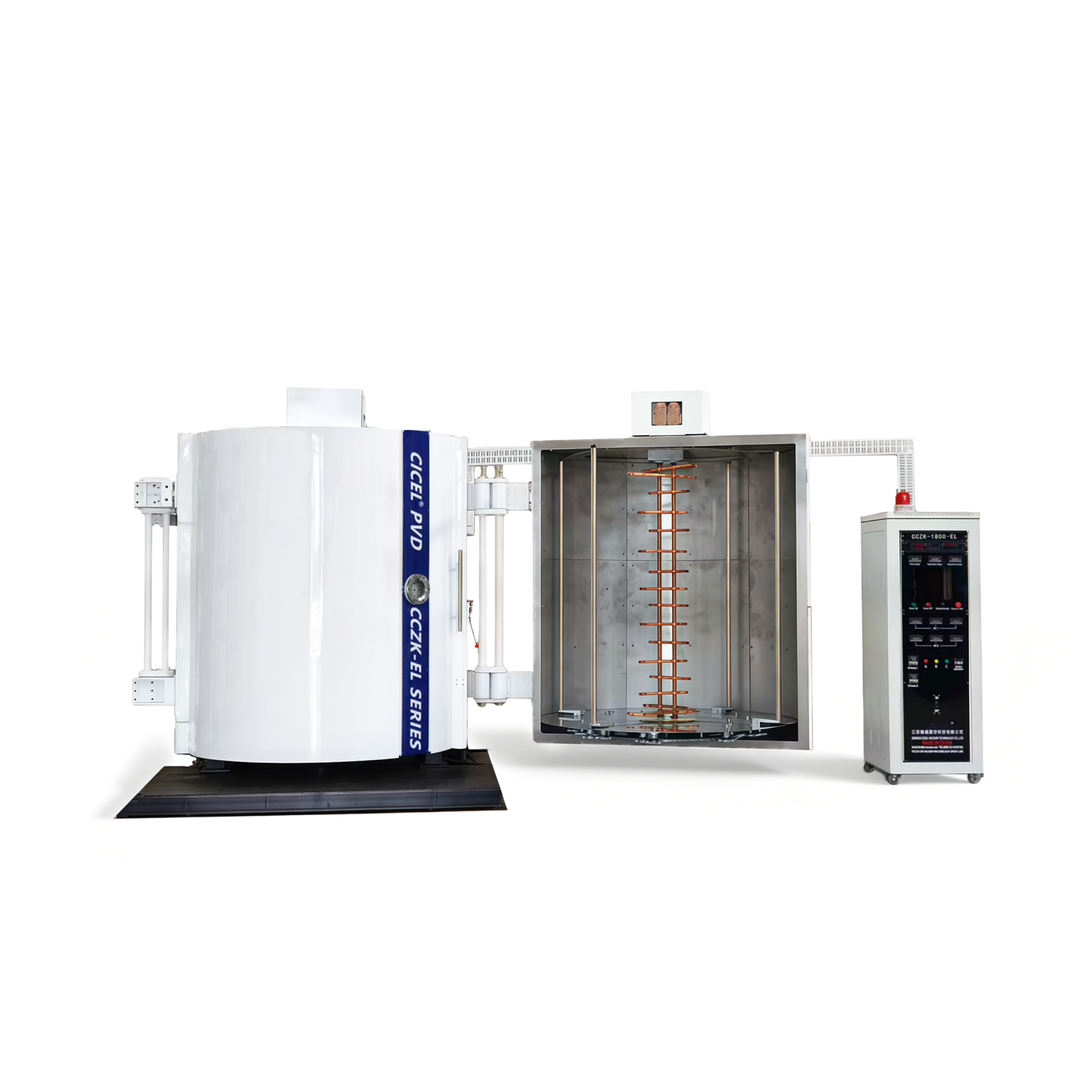
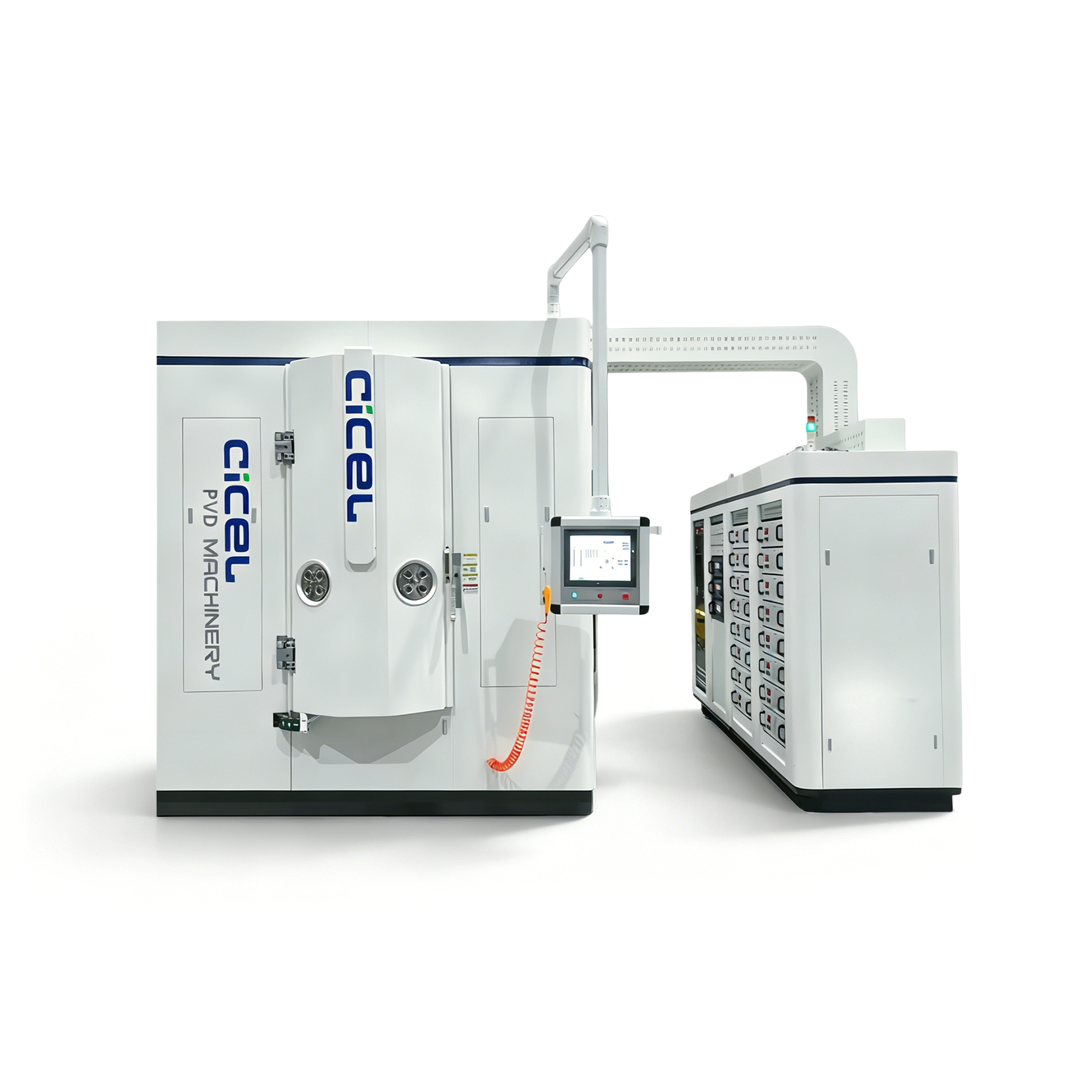
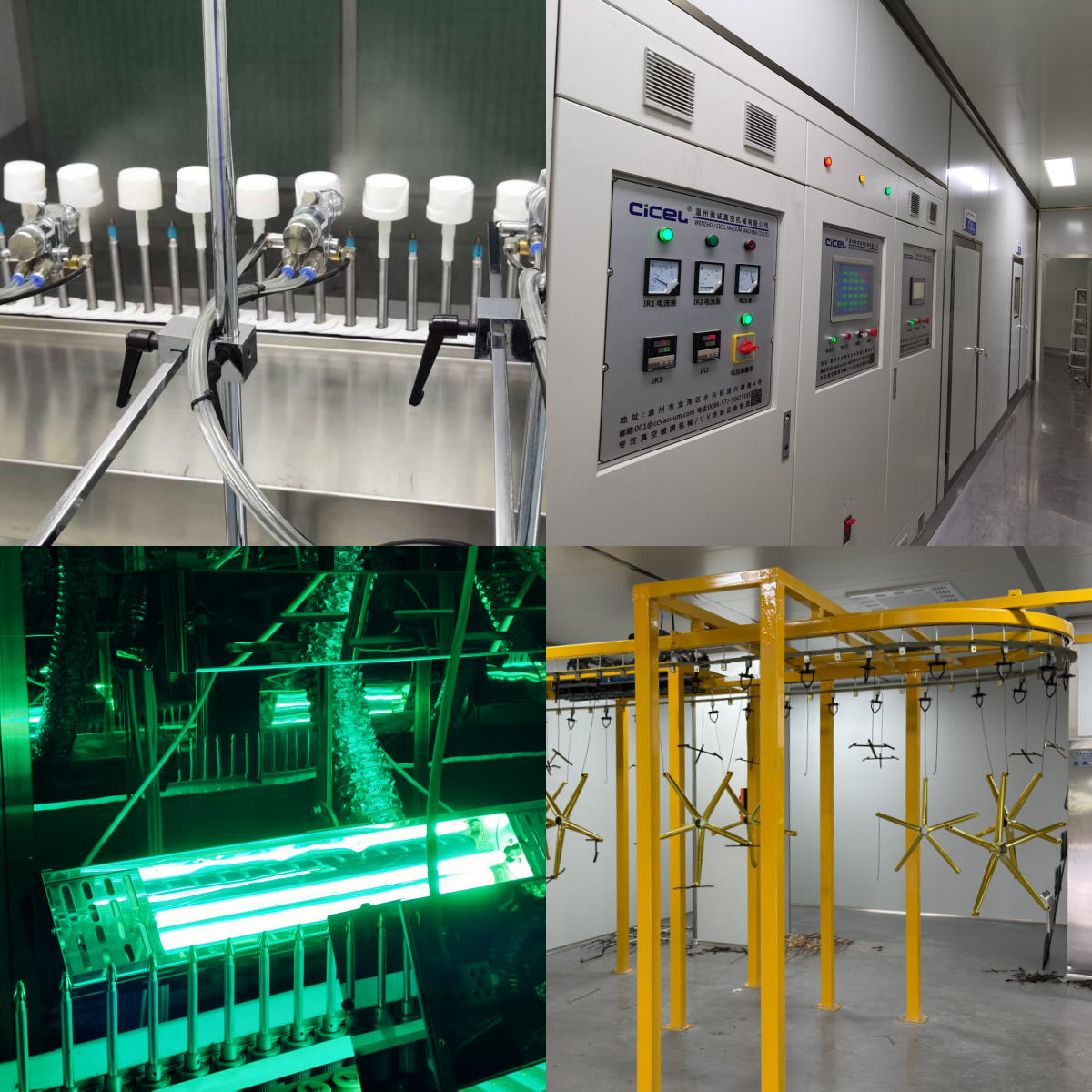
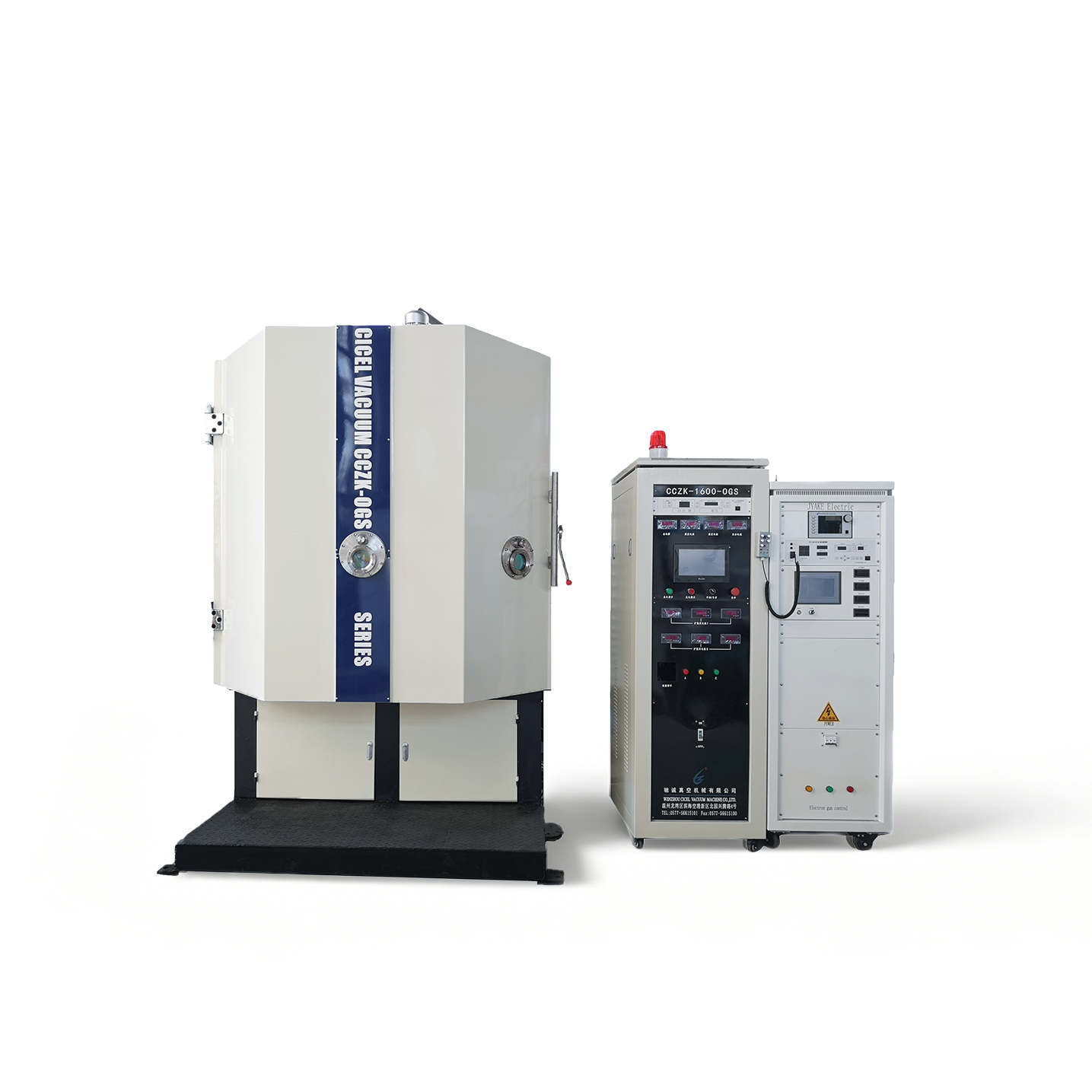
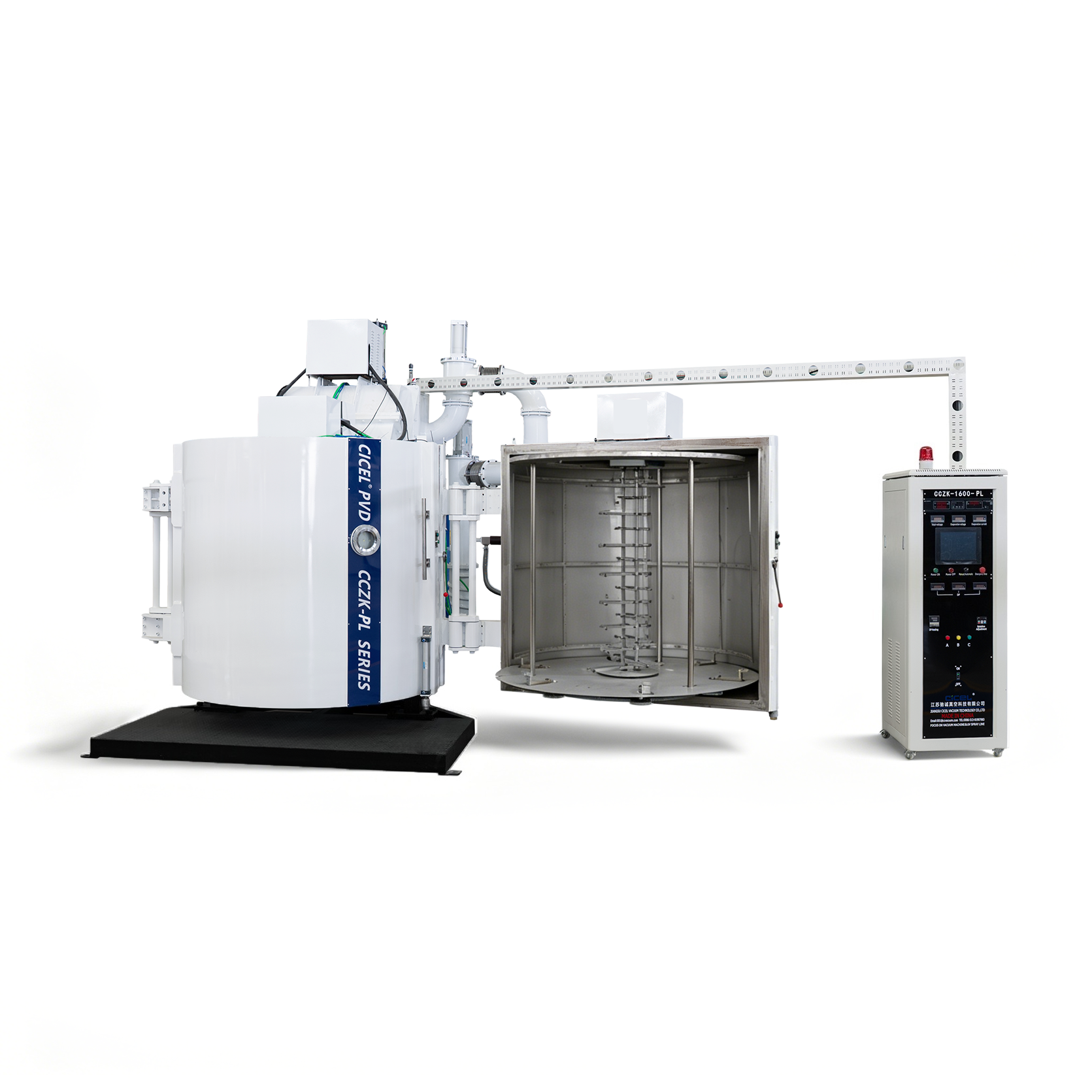
There are different ways to do vacuum coating. One popular method is called Physical Vapor Deposition (PVD). In PVD, materials are heated until they turn into vapor. This vapor then sticks to the surface of the item being coated. It’s like when you spray paint, but instead, you’re using vapor. This method can create very thin layers that are hard and shiny. Another technique is Chemical Vapor Deposition (CVD). In CVD, gases react together to form a solid coating on the surface. This is great for making items that need to resist heat or corrosion, like parts in engines. At CICEL, we use these techniques to make sure our products meet high standards. We carefully choose the right method based on what each customer needs. For instance, if a customer wants a product that looks shiny and elegant, PVD is a great choice. For something that needs to be strong and durable, CVD works better. The thickness of the coating is also important. A thicker coating can provide better protection, but it can also add weight. So, we balance these factors to give the best results. The skill of the team at CICEL makes a big difference too. They understand how to control the process to get the best quality. They pay attention to every detail, ensuring that every coat is even and perfect. This means the final product not only looks good but also lasts a long time. We take pride in our work, and we want every product to shine
Manufacturers love vacuum coating for many reasons. First, it helps make products look better. Items that are coated often shine more and have a more attractive finish. This can help a product stand out in a crowded market. Second, vacuum coatings makes things stronger. The thin layers can protect surfaces from scratches and wear. For example, a coated tool can last much longer than one without a coating. This means fewer replacements and lower costs for manufacturers. Another reason is that vacuum coating can be done on many different materials. Whether it’s metal, plastic, or glass, vacuum coating can help improve its properties. This flexibility is very useful for companies that make a variety of products. At CICEL, we often work with customers from different industries, helping them find the best coating solutions for their specific needs. Additionally, vacuum coating is an environmentally friendly option. It uses less material than traditional coating methods, which means less waste. This is important because many manufacturers want to be more sustainable and reduce their impact on the planet. The process is also safer because it often uses fewer harmful chemicals. In today’s world, where being green is a priority, vacuum coating checks this box too. As a result, many manufacturers choose vacuum coating because it combines quality, durability, and environmental responsibility. With CICEL, they find a partner who understands these needs and helps them succeed in the market.