
Understanding Vacuum Evaporation Coating Process

All Categories

Vacuum evaporation coating process

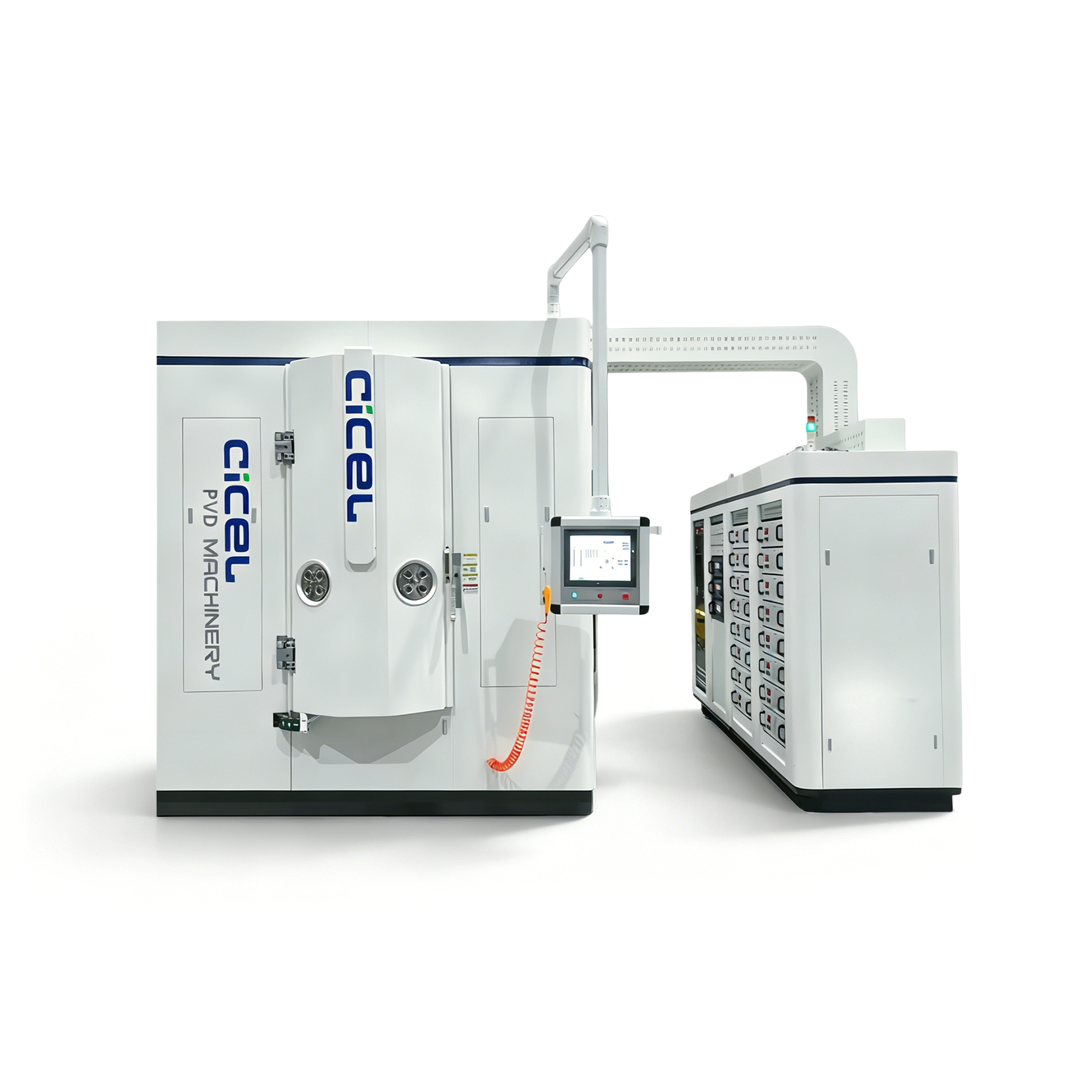
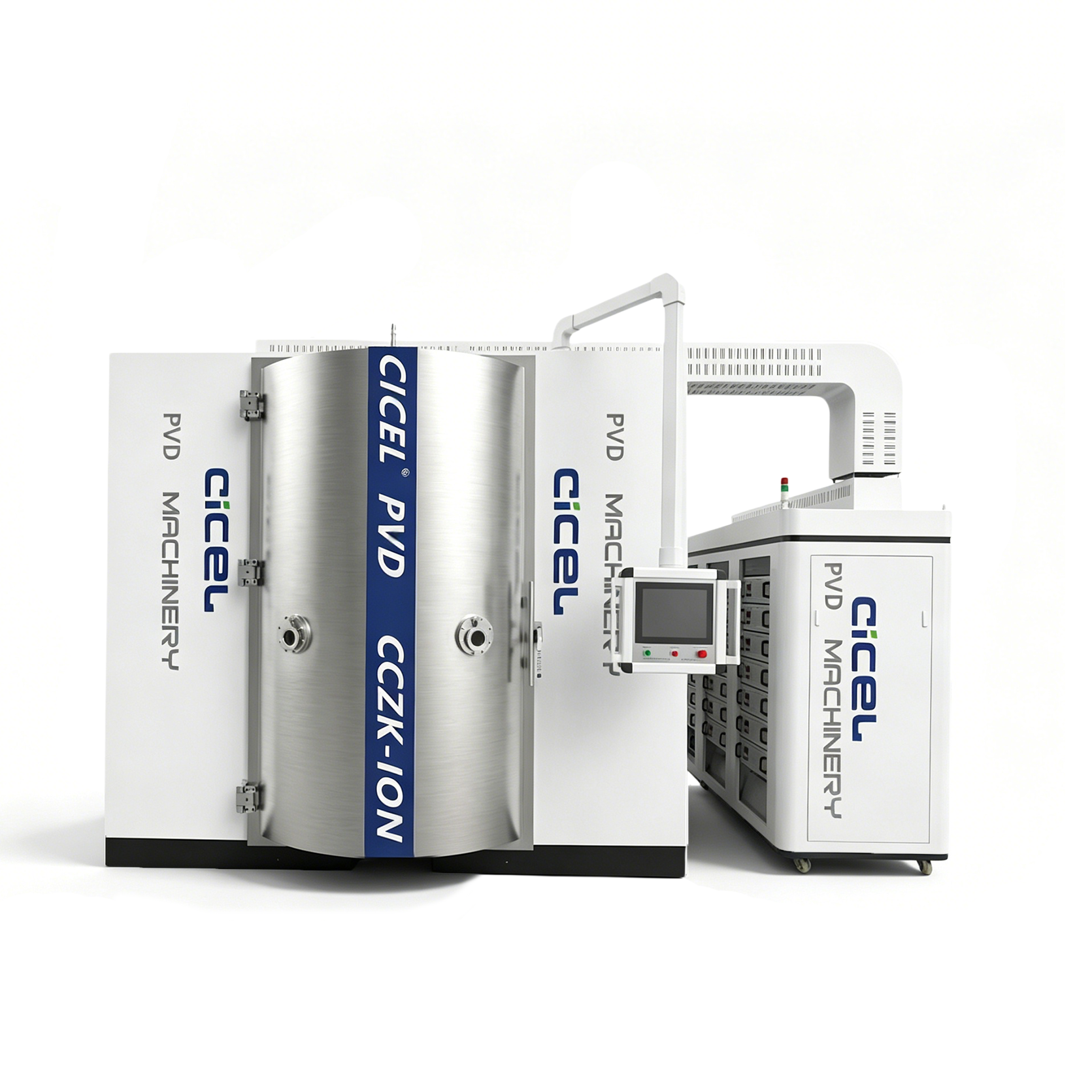
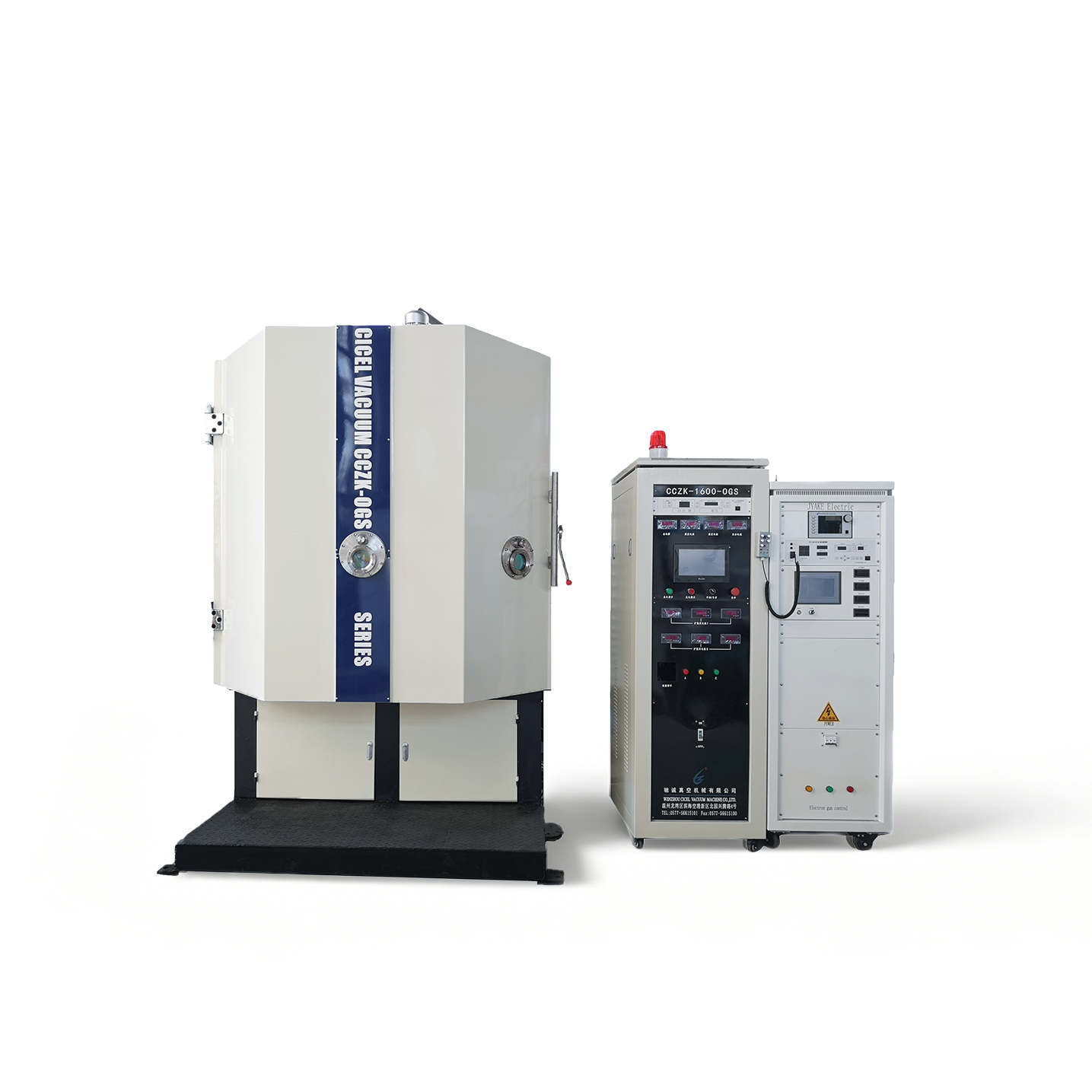
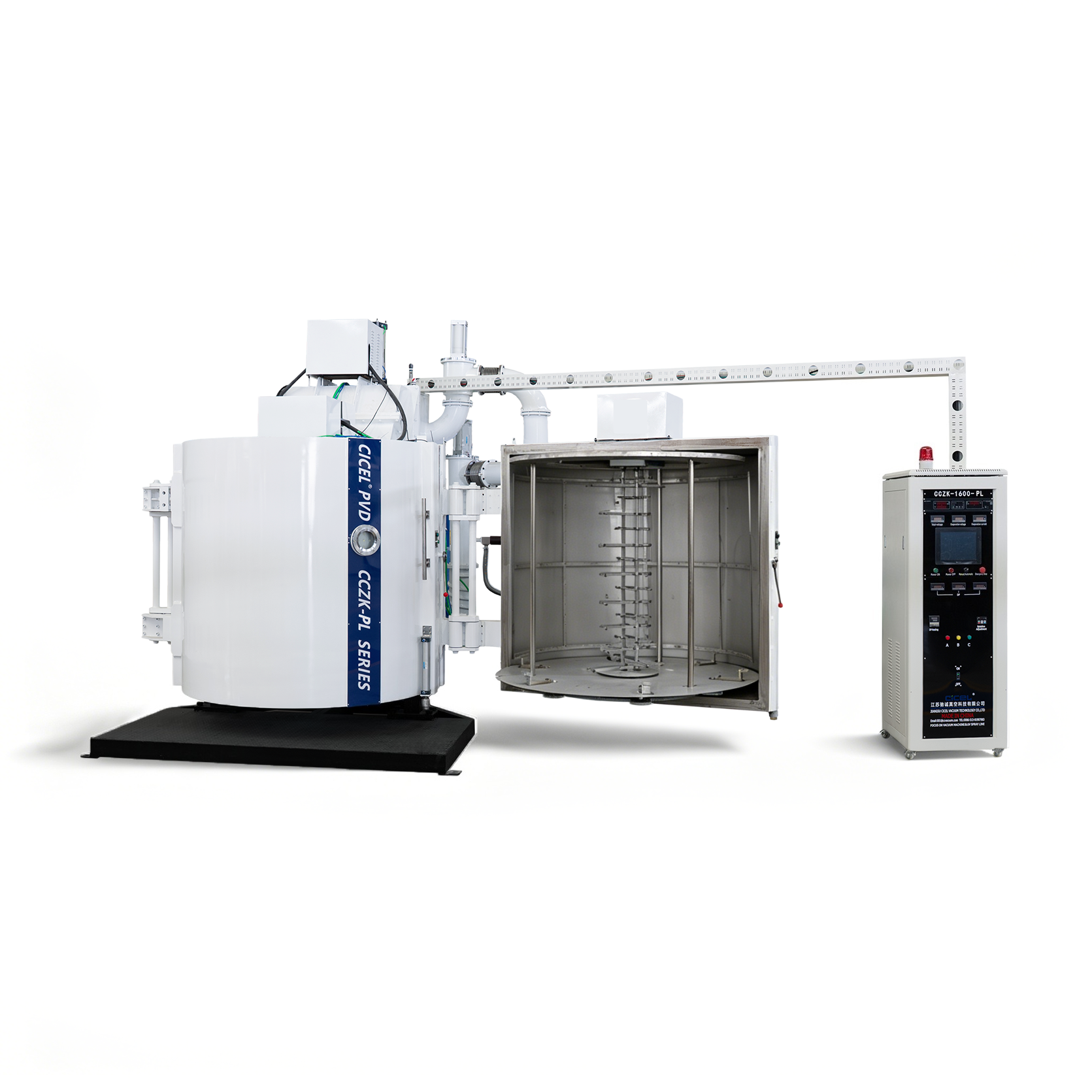
Vacuum evaporation coating is a method used to place a thin layer of material on a surface. The first step is to put the item in a special chamber. This chamber is a vacuum, which means there is little air inside. Creating a vacuum is important because it helps the coating stick better. After that, we heat the material with which we want to coat the item. When it gets hot enough, it turns into vapor, like steam from boiling water. This vapor rises and settles on the item, forming a thin layer. This layer can be made from different materials, like metals or oxides, each giving a unique look and feel to the product. One remarkable thing is that this layer is very thin, often just a few micrometers thick! The whole process is clean and does not create a mess. After the coating is done, the item is taken out of the chamber looking shiny and new. This method is often used for manufacturing things like mirrors, smartphone screens, and even solar panels. Using vacuum evaporation coating helps improve the performance and appearance of many products.
Our Products

Where Can You Source High-Quality Vacuum Evaporation Coating Materials?

Finding good materials for vacuum evaporation coating is very important. The right materials ensure that the coating is strong and lasts a long time. One great place to start looking for these materials is online. Many companies sell high-quality materials that are perfect for vacuum evaporation coating. You can visit their websites and see what they offer. Make sure to check reviews and ratings from other customers to see if they are happy with the products. Another good option is local vacuum coating machine suppliers. You can visit stores or factories that sell the materials you need. Talking to the people who work there can help you learn more about the materials and how to use them. They can also give you advice on which materials are best for your specific projects.


Get a Free Quote

Our representative will contact you soon.
Email
Name
Mobile
Company Name
Message
0/1000

Related product categories

How to Maximize Efficiency in Vacuum Evaporation Coating Processes

Maximizing efficiency in vacuum evaporation coating processes is essential for getting the best results while saving time and resources. One of the first steps to take is planning. Before starting a project, it is important to have a clear plan. This includes knowing what materials you will use and how long the process will take. Having everything ready will help avoid delays. Another way to improve efficiency is by keeping the workspace clean and organized. A tidy area helps workers find what they need quickly, which saves time.

What is Vacuum Evaporation Coating and How Does It Work?

Using the right equipment is also crucial. Make sure that your vacuum evaporation system is in good working order. Regular maintenance can prevent problems that might slow down the process. If the equipment is old or not functioning properly, it may be time to consider upgrading to newer technology. CICEL offers advanced equipment that can help boost your efficiency. Additionally, training your team on how to use the vacuum deposited coating equipment and materials properly can make a big difference in productivity. When everyone knows what to do, the process runs more smoothly.


What Wholesale Opportunities Exist in the Vacuum Evaporation Coating Market?

Another opportunity in the market is to partner with various manufacturers or suppliers. By building relationships with these companies, you can access more resources and obtain different types of materials. This can help you offer more options to your customers. Additionally, you can explore selling your own products. If you have skills in vacuum evaporation coating, you can create your own items and sell them. This can include coated glass, electronics, or decorative items. The demand for these products is increasing, and with the right marketing, you can reach many customers.

email goToTop