
 EN
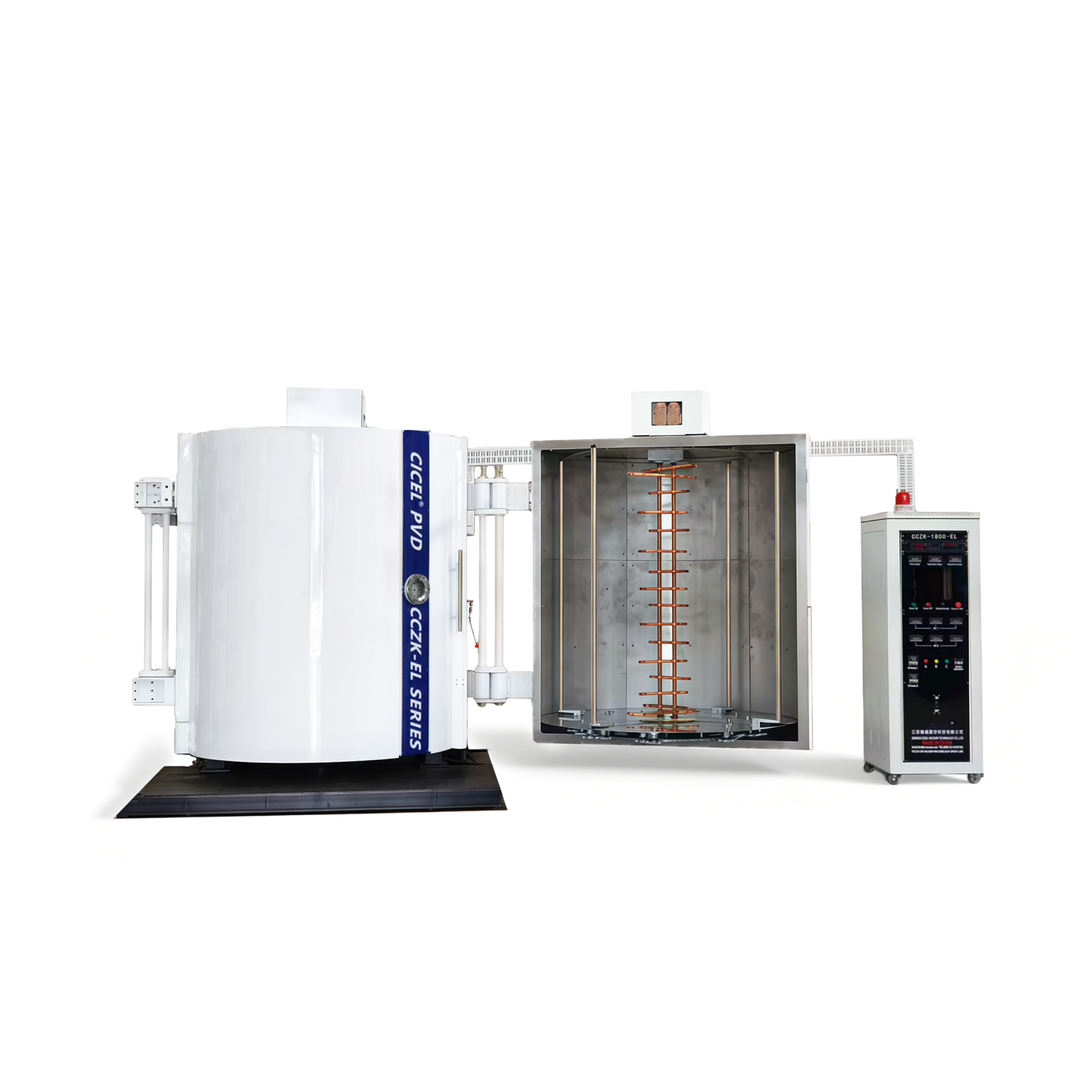
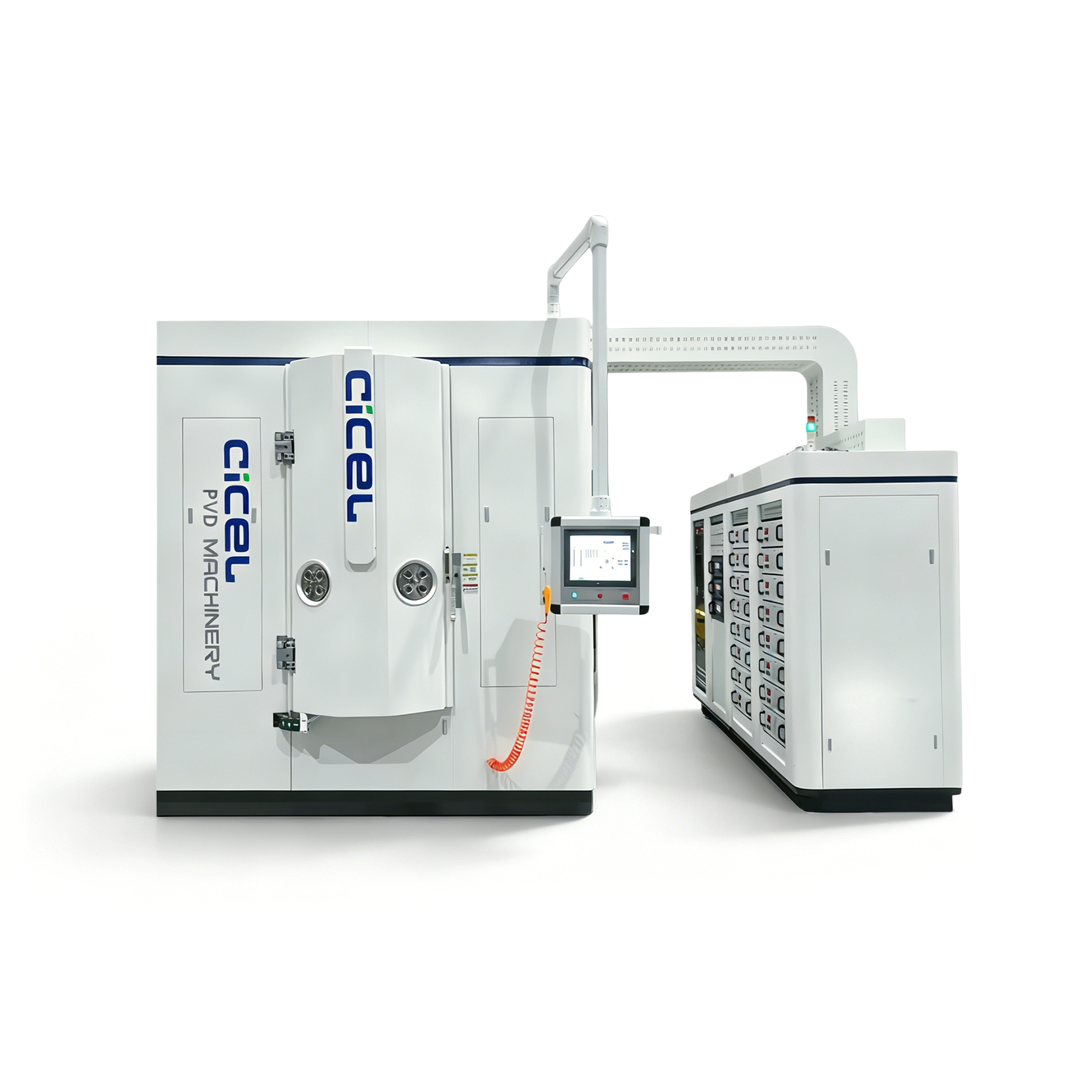
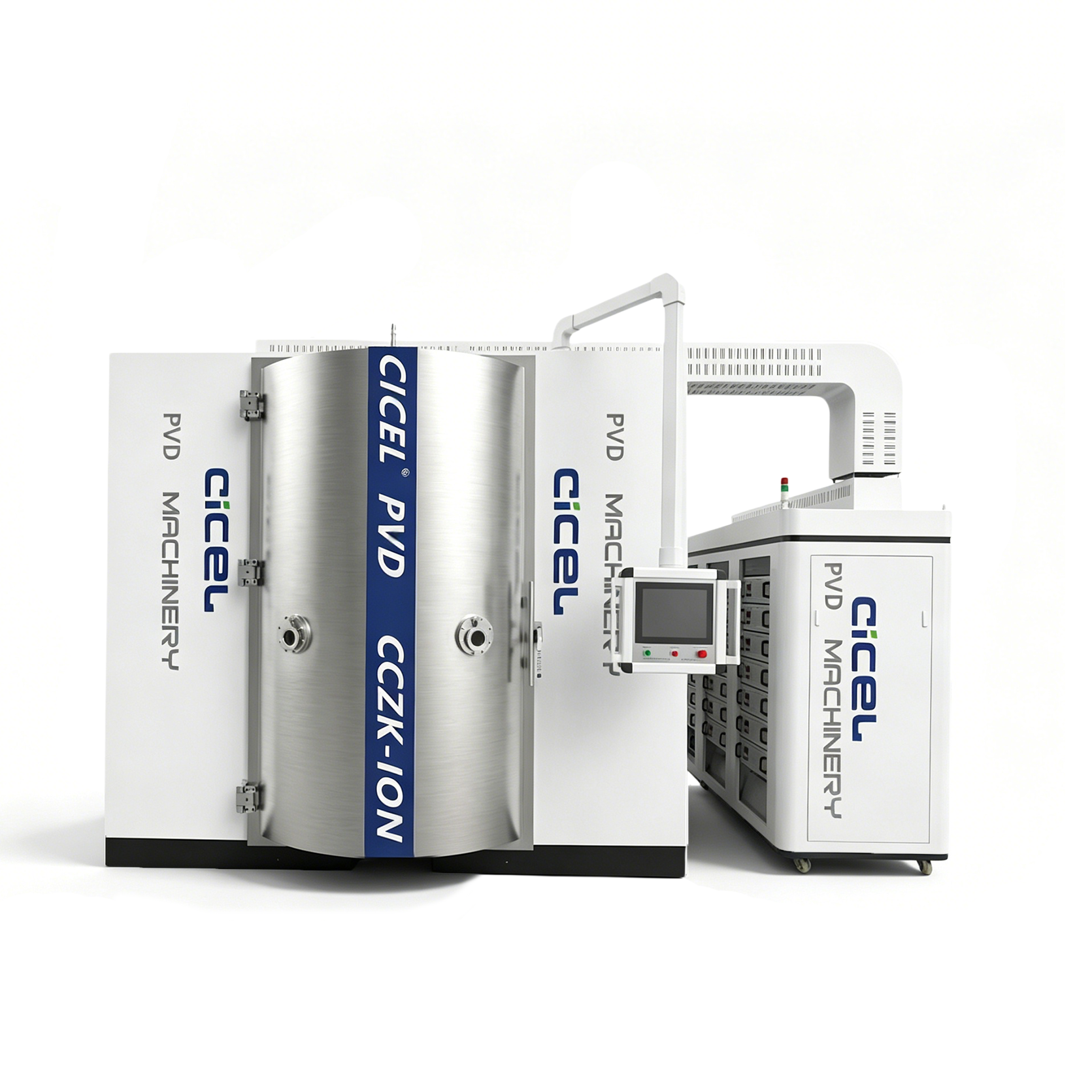
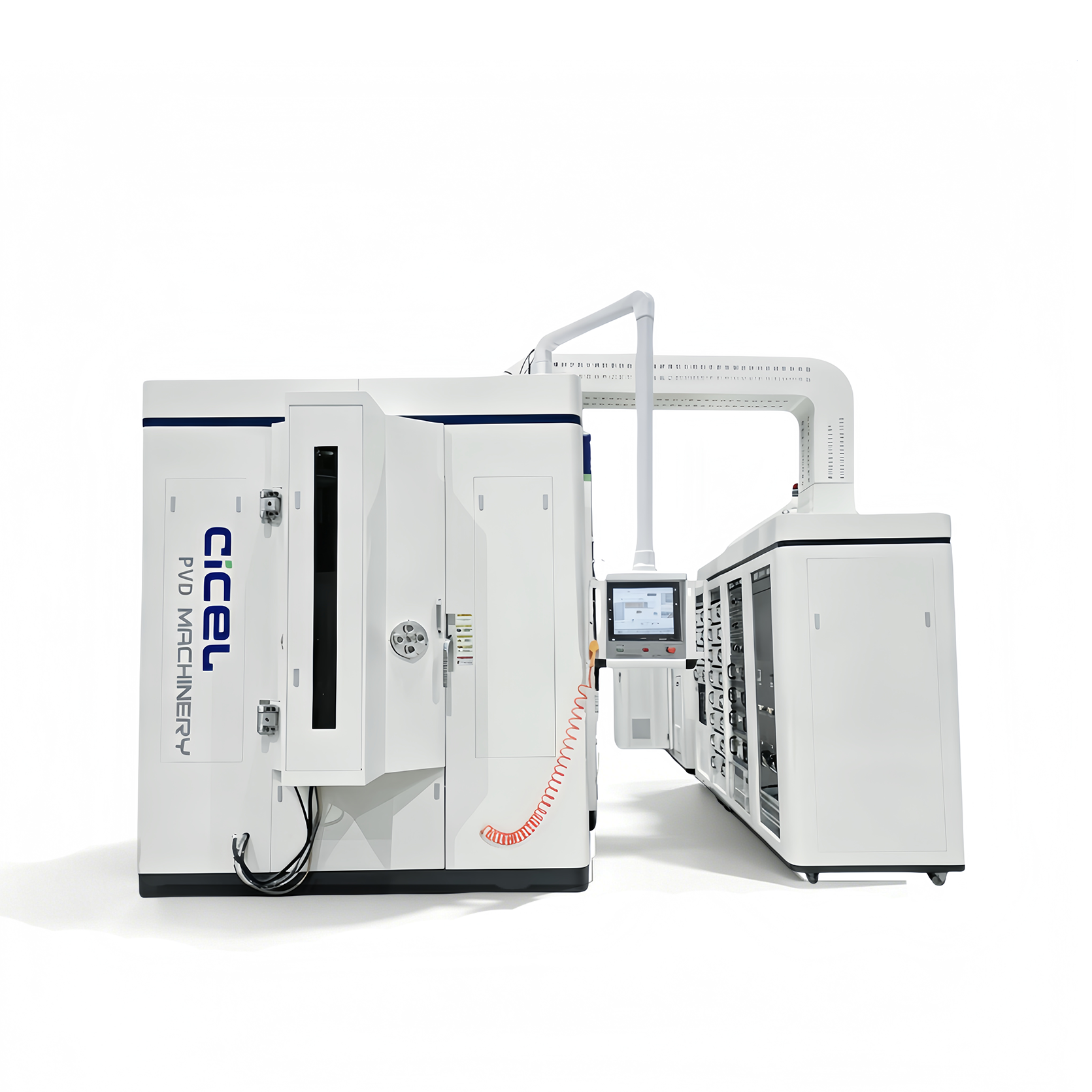
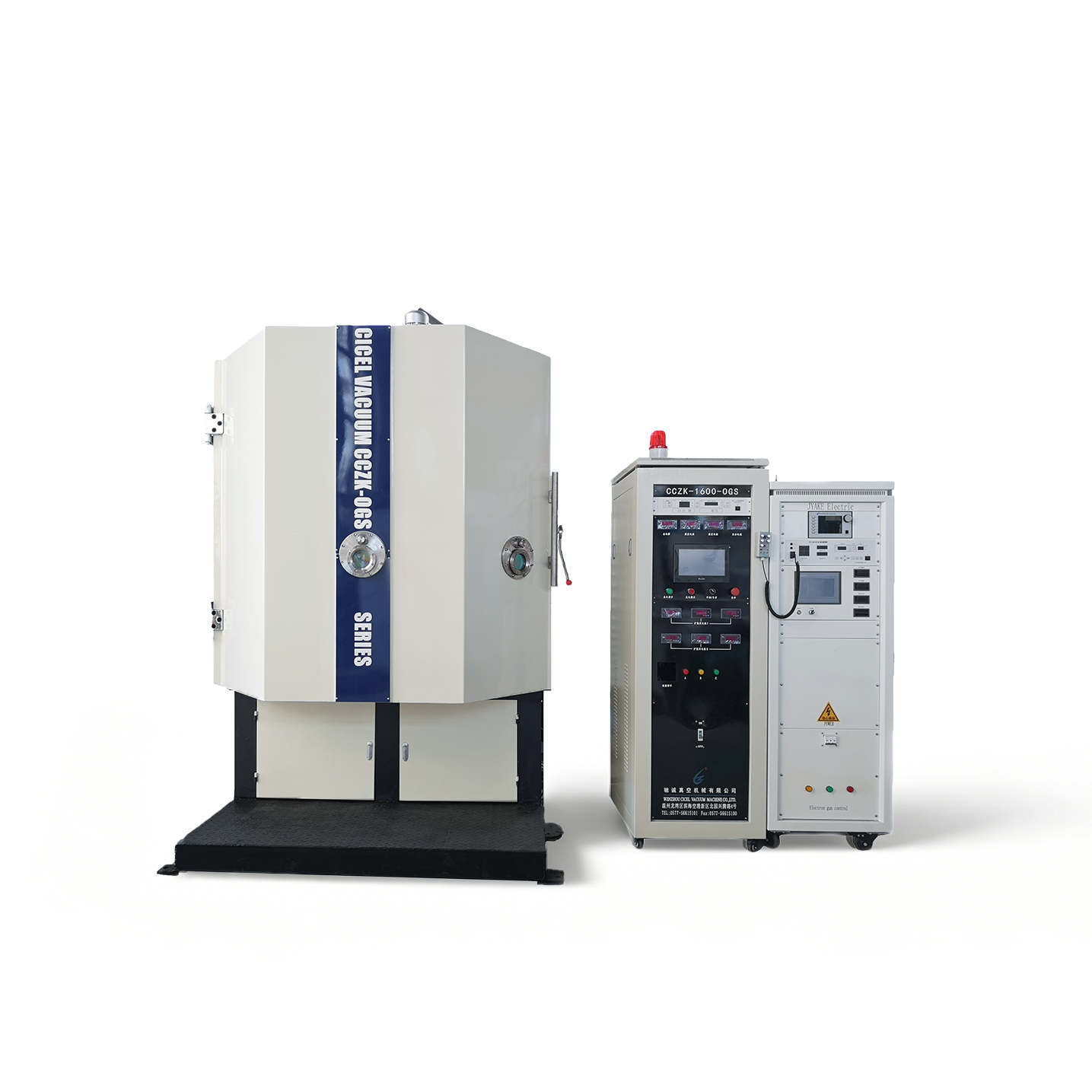
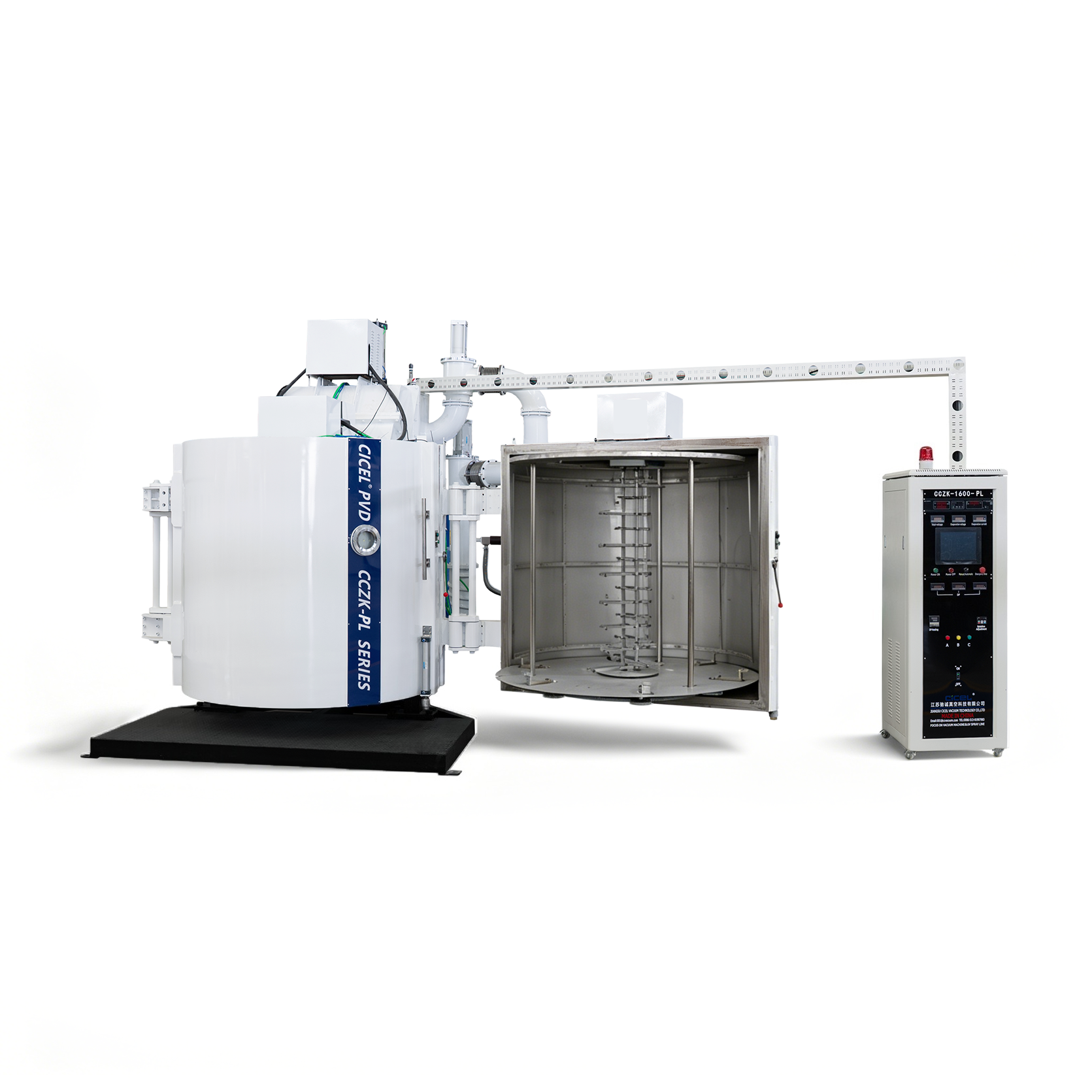
Vacuum coating is a cool technology used to make very thin layers of material. These layers are called thin films, and they can be used in many different products. For example, you can find thin films in sunglasses to make them scratch-resistant, in solar panels to help them absorb sunlight better, and in electronic devices to improve their performance. Companies like CICEL focus on vacuum coating to help create these useful thin films. By using vacuum coating plant technology, we can ensure that the thin films are of high quality and can meet the needs of different industries.

What Are the Key Benefits of Vacuum Coating in Electronics Manufacturing?
In electronics manufacturing, vacuum coating has many benefits. One big advantage is that it helps make electronic devices smaller and lighter. For example, when we apply a thin film to a smartphone screen, it can protect it without adding much weight. This makes the phone easier to carry. Another benefit is that vacuum coating can improve the performance of electronic devices. By using special materials for the thin films, manufacturers can reduce energy loss in devices. This means that gadgets can last longer on a single charge. Additionally, vacuum coating can help with heat management in electronics. Some thin films reflect heat away, keeping devices cool and preventing them from overheating. This is really important for performance and safety. Companies like CICEL work hard to use vacuum coating to make electronics that are not only effective but also reliable and safe for users. By focusing on high-quality coatings, they help bring better products to people's hands.

