 EN
EN
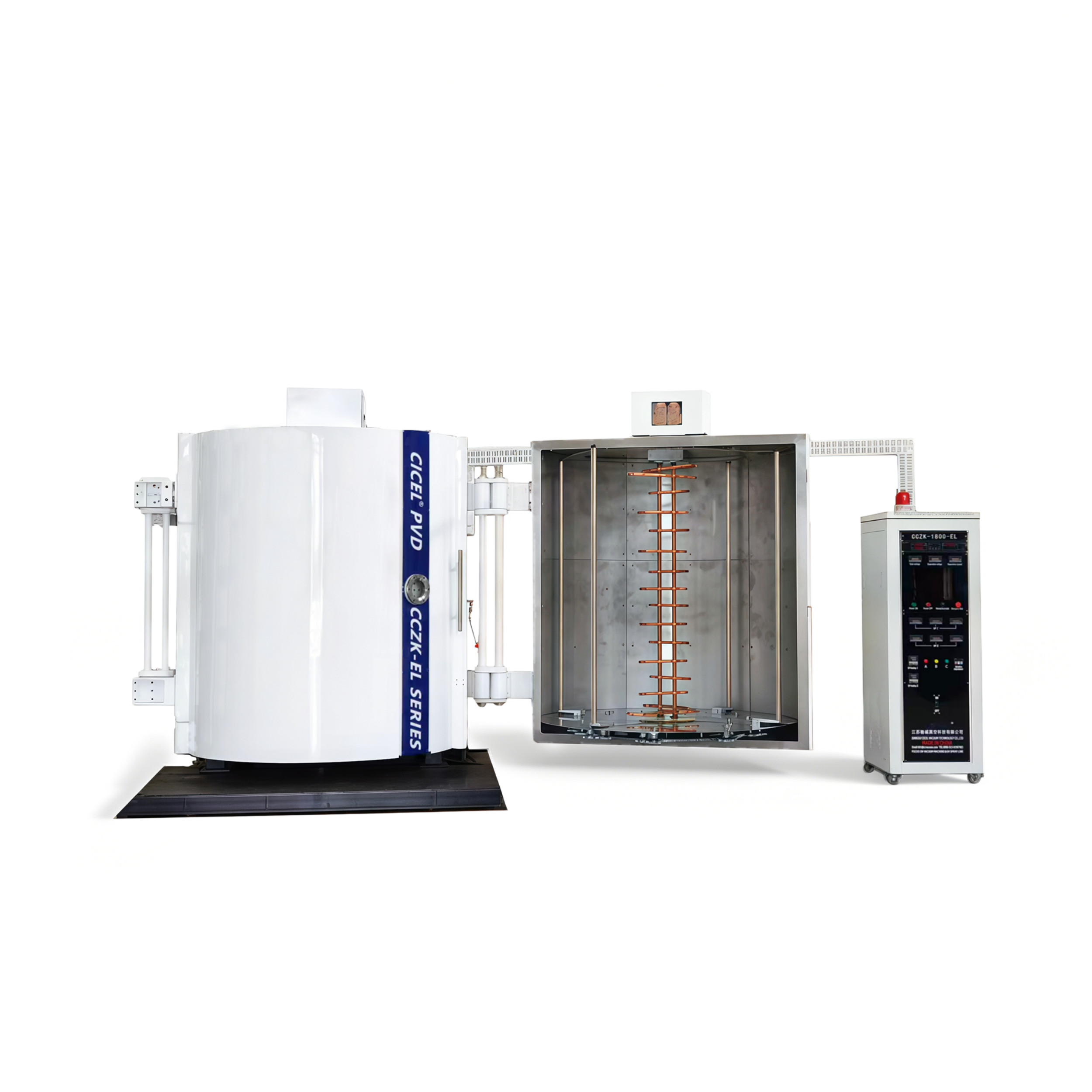
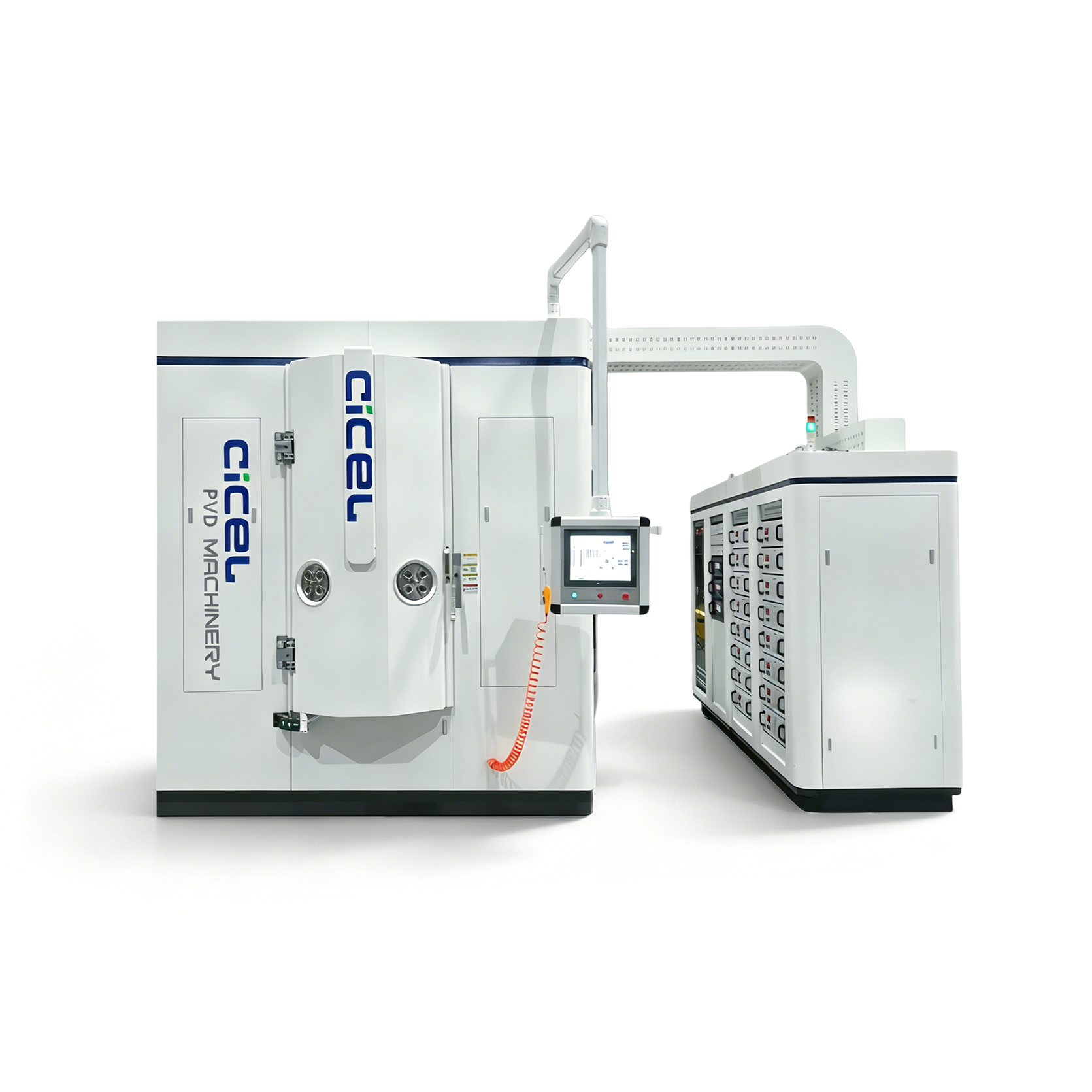
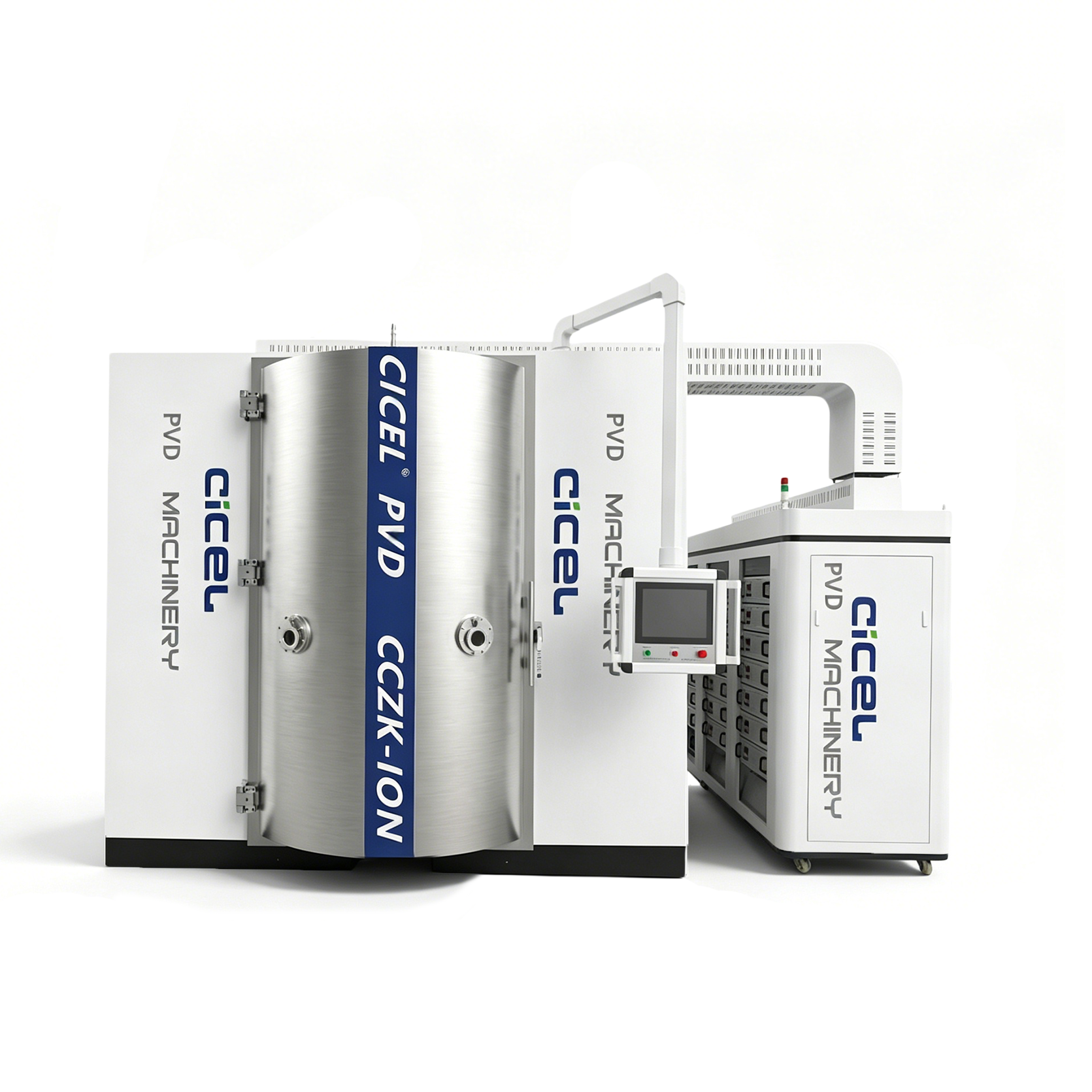
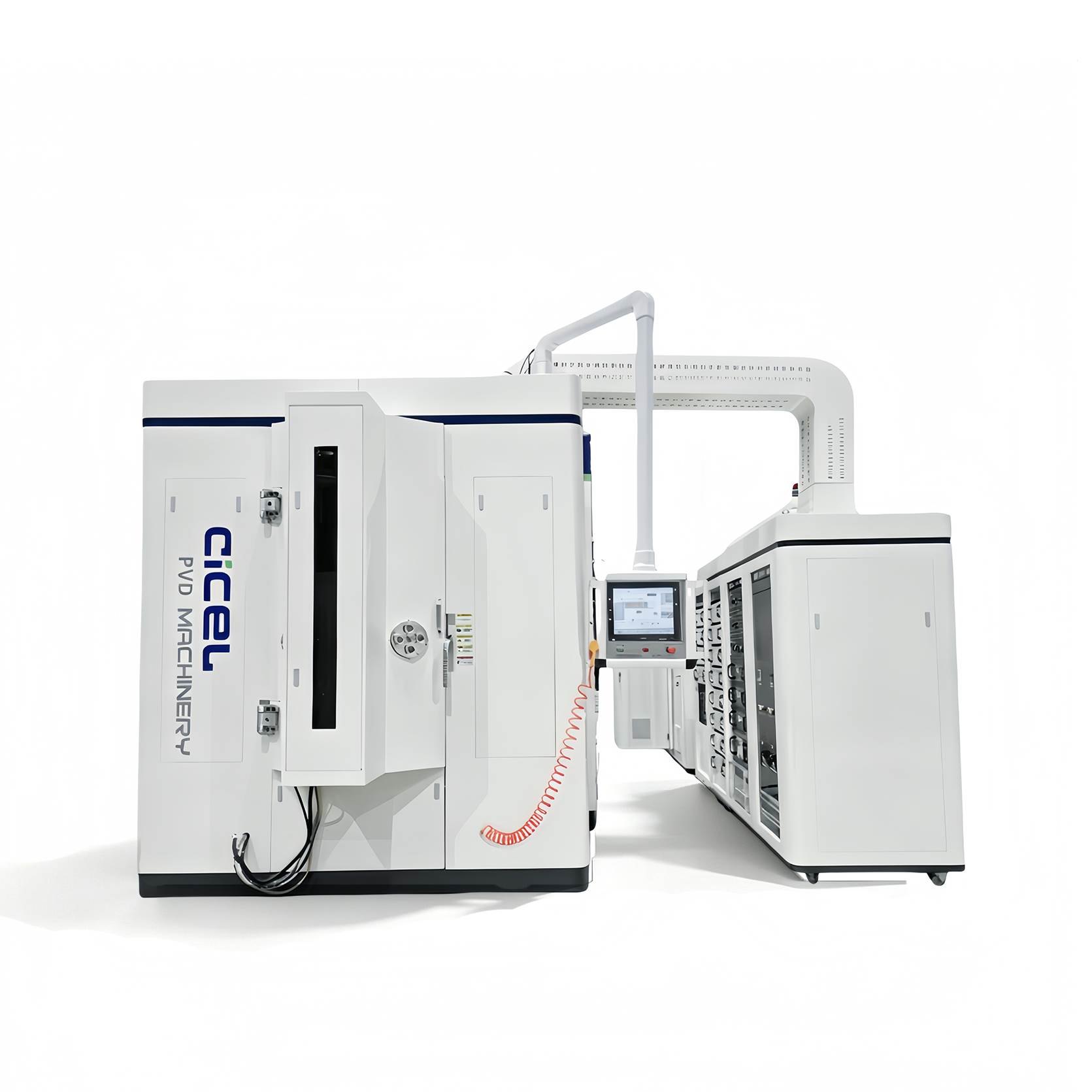
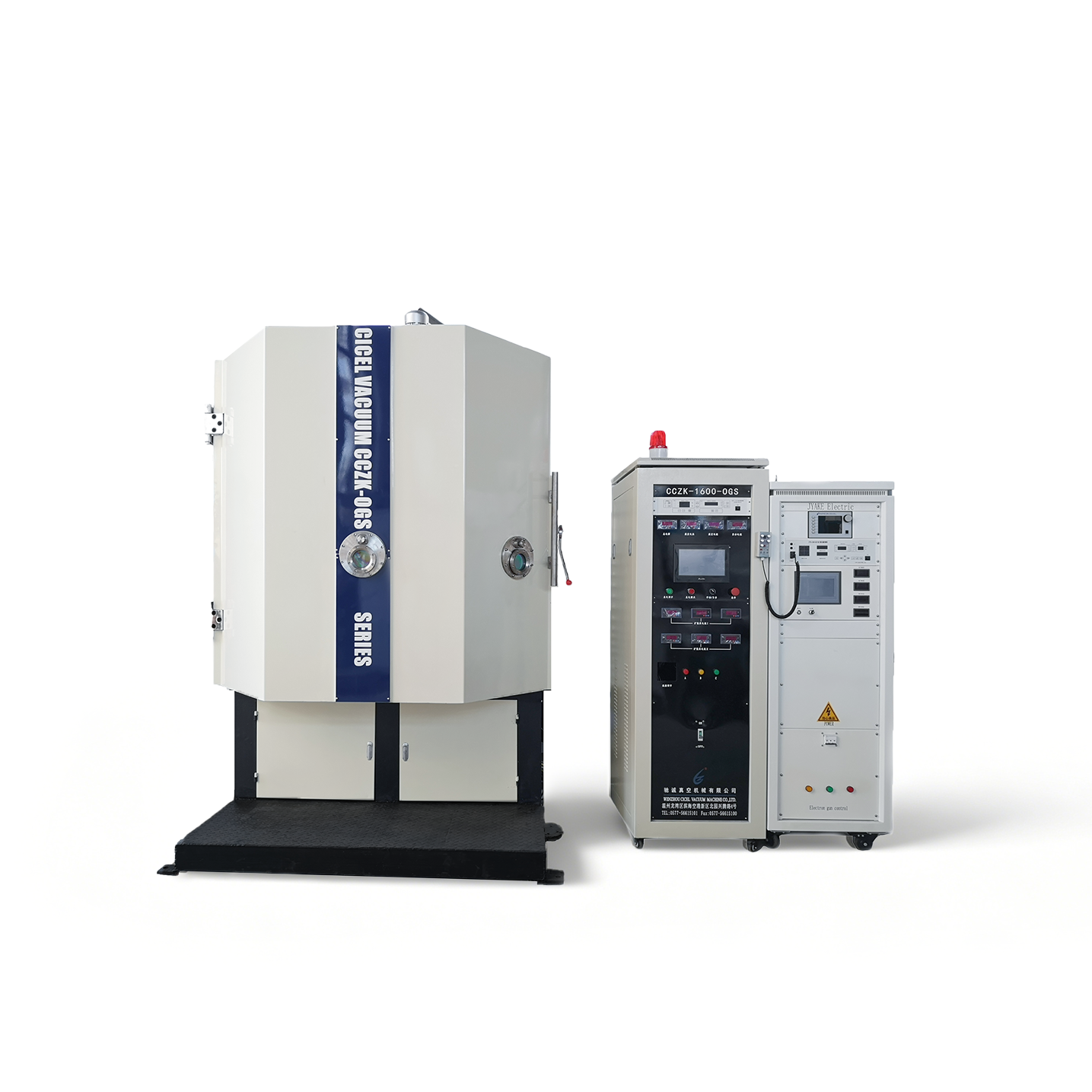
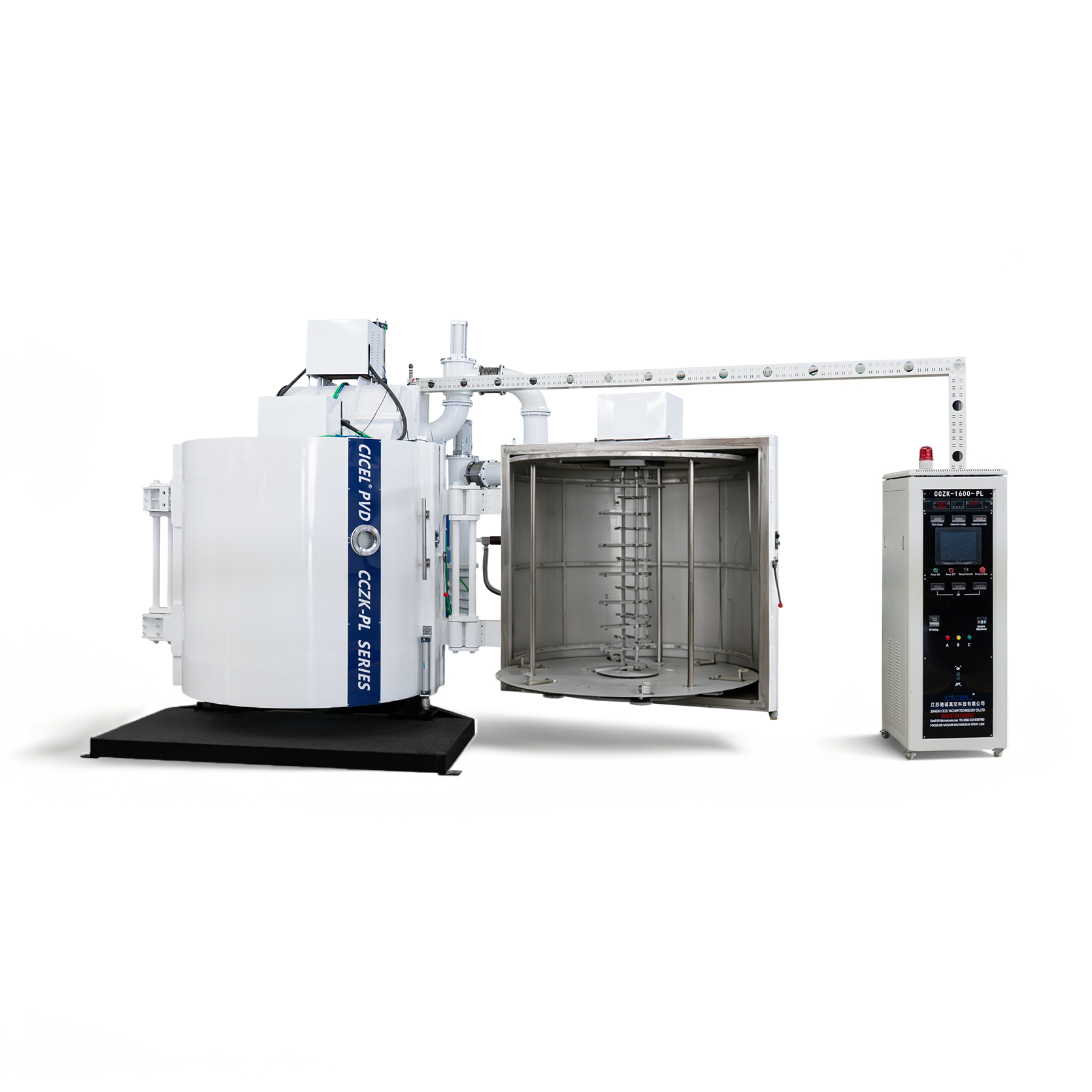
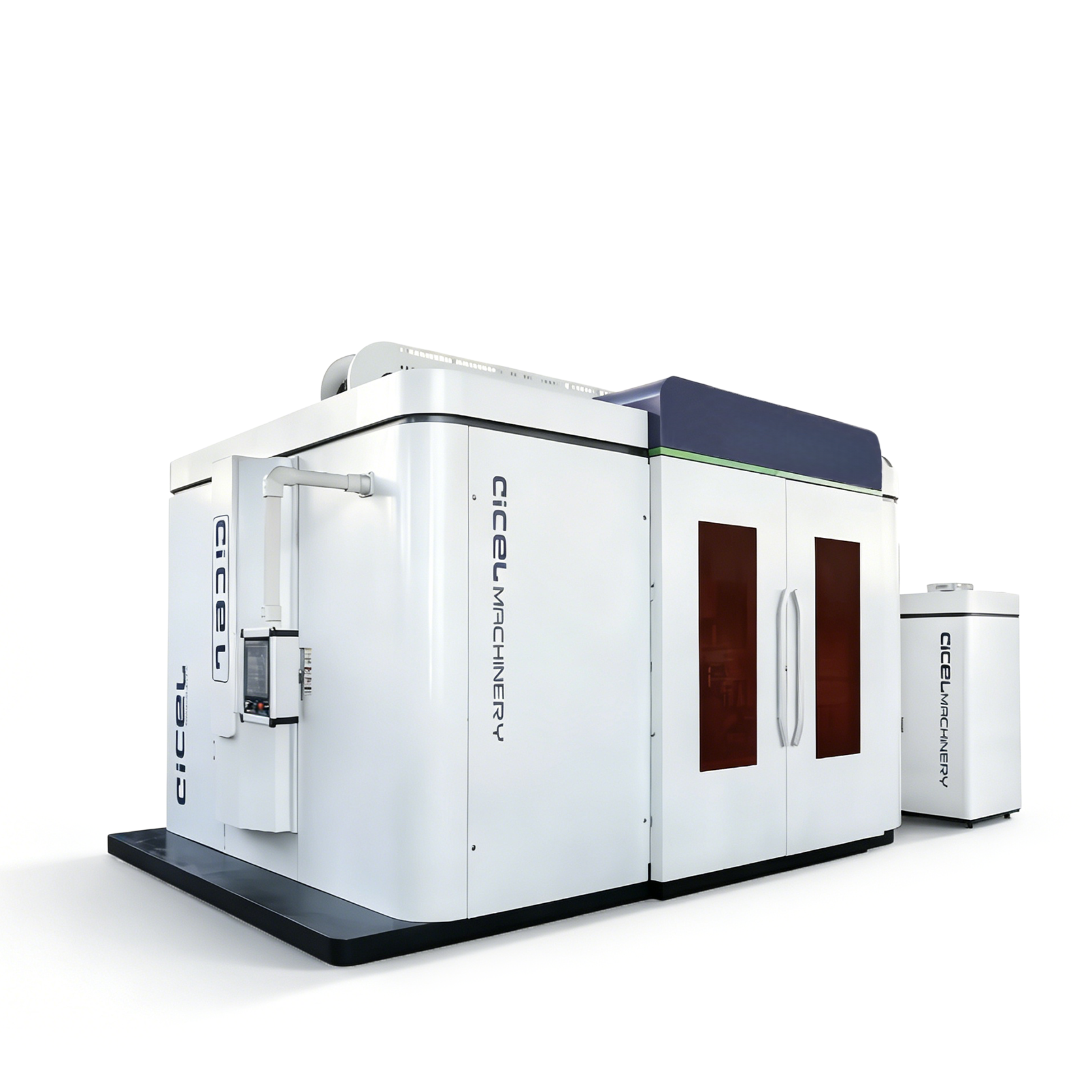
A vacuum sputter coater is a special machine used in many industries, such as electronics and manufacturing. This machine helps to put a thin layer of material onto surfaces. It's like a magic spray, but instead of water or paint, it uses tiny particles to coat things. The coating can be made of metals, ceramics, or other materials. Companies like CICEL use these machines to make products that need strong and shiny surfaces, like smartphone screens or shiny car parts. The process may sound complicated, but it’s essential for making products that we use every day
A vacuum sputter coater works in a vacuum environment, which means there is no air inside. First, the machine takes out all the air to create this vacuum. This is important because air can interfere with the coating process. Inside the machine, there are two main parts: the target and the substrate. The target is the material that will be turned into tiny particles, and the substrate is the item that will get the coating. When the machine is ready, it uses a high voltage to create a plasma. This plasma excites the atoms in the target material, causing them to break off and fly toward the substrate. These tiny particles land on the substrate and stick to it, forming a thin layer. This process can happen with different materials, like gold, silver, or even special ceramics. For example, if someone wants to coat a glass panel for a smartphone, they would use a gold target to create a shiny, reflective surface. The whole process can take a few minutes to several hours, depending on how thick the coating needs to be. The cool thing about this machine is that it can create very thin layers, often just a few nanometers thick. This means that it uses materials efficiently, reducing waste. Companies like CICEL make sure their machines are high quality so that the coatings are perfect every time.